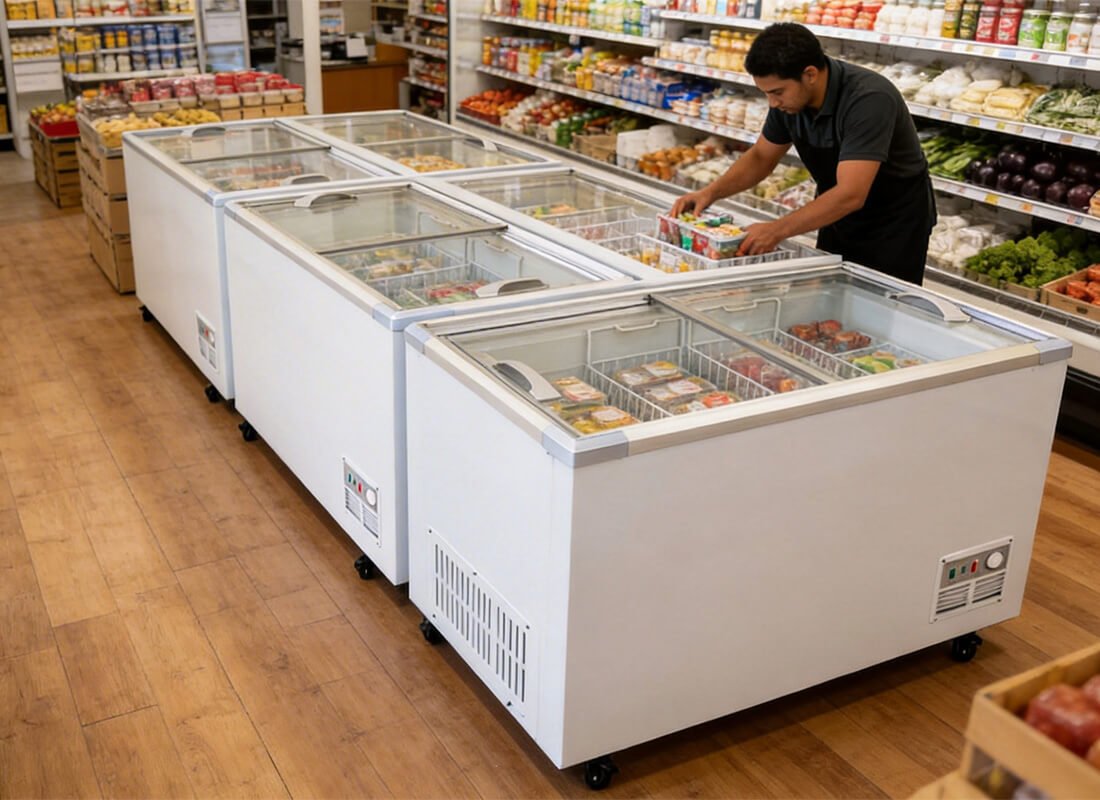
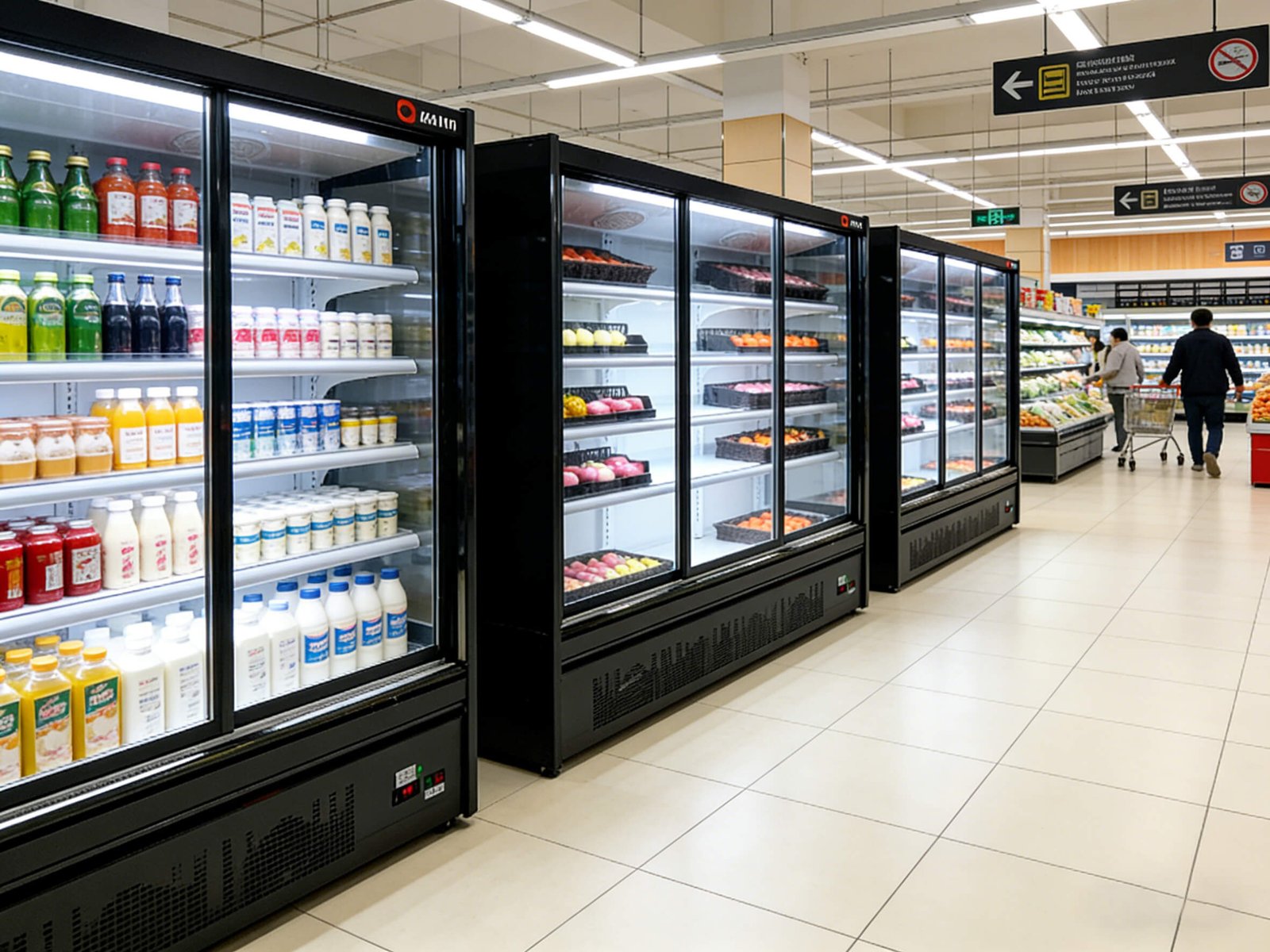
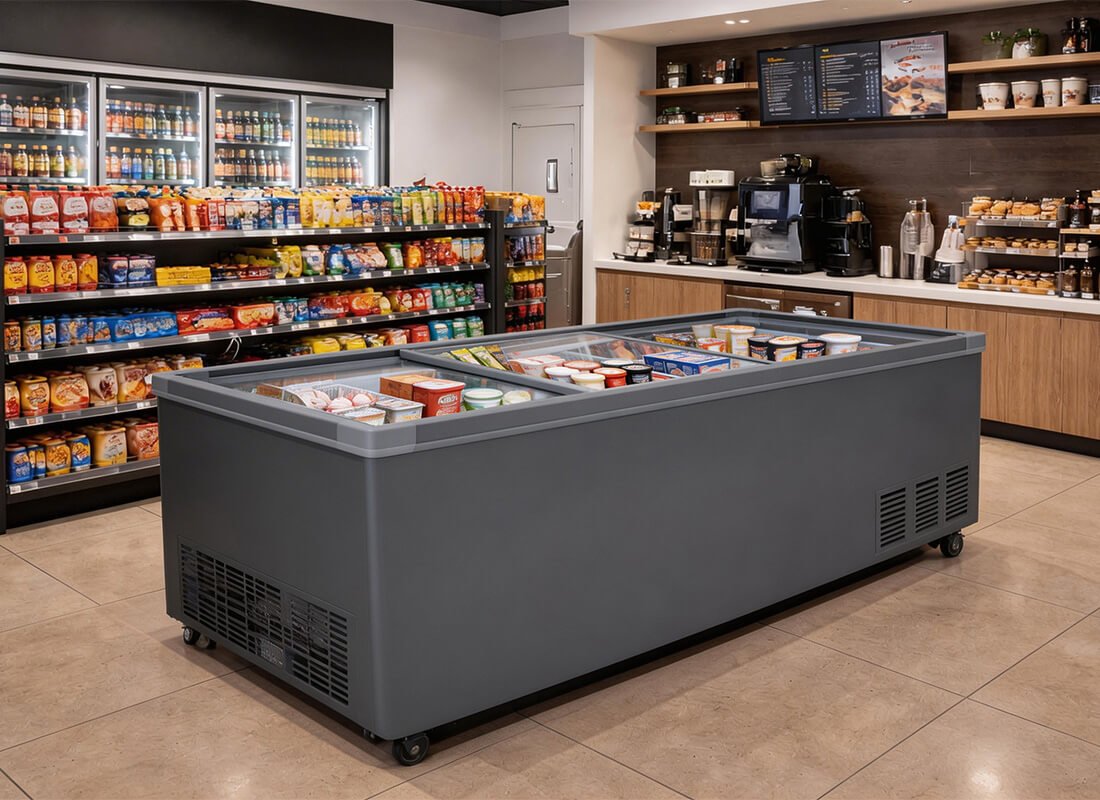
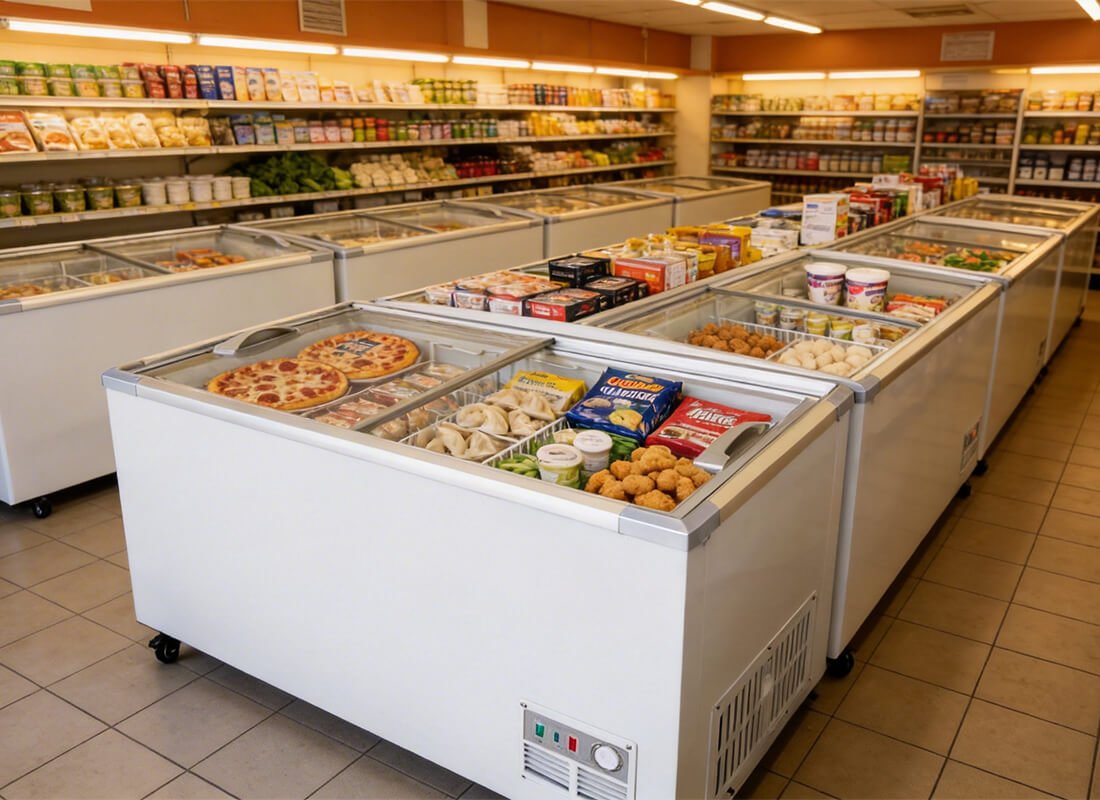
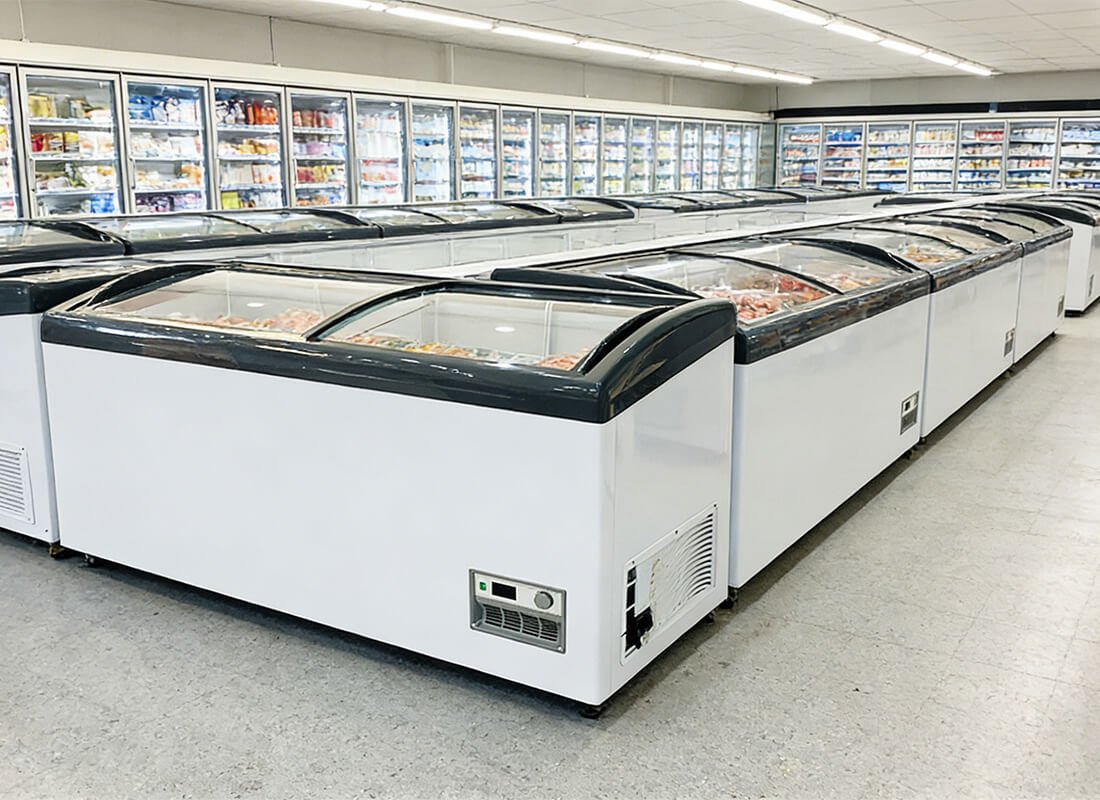
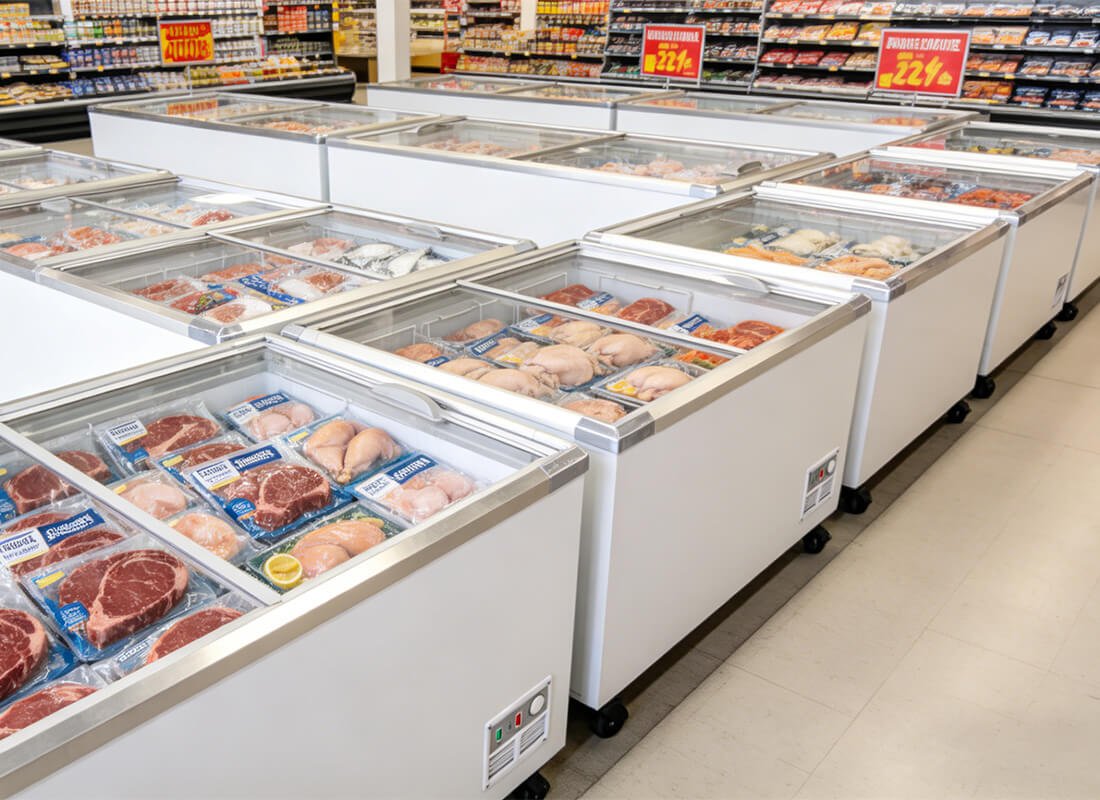
In food retail and wholesale operations, refrigeration is often viewed as a necessary operating cost. Compressors, display cases, walk-in coolers, energy bills, maintenance, and service calls all appear on the expense side of the business. But refrigeration can also be a profit lever—especially when it helps reduce shrink.
For supermarkets, convenience stores, food distributors, butcher shops, dairy retailers, and fresh food wholesalers, product loss is more than an operational inconvenience. Every spoiled item represents lost revenue, wasted labor, reduced margin, and lower customer trust. One of the most overlooked ways to control that loss is temperature stability.
When refrigerated products experience frequent temperature swings, quality declines faster. Produce wilts, dairy loses freshness, meat becomes riskier to hold, and prepared foods may lose texture, appearance, and shelf life. Stable refrigeration helps slow this process, giving businesses more time to sell products at full value.
For wholesale buyers and retail operators, the economics are simple: reducing shrink can directly improve profitability.
What Is Shrink in Refrigerated Retail?
Shrink refers to inventory that cannot be sold at full value. In refrigerated food categories, shrink usually comes from spoilage, expiration, damage, quality decline, markdowns, handling errors, or food safety concerns.
Common refrigerated shrink examples include:
- Meat that must be discarded before sale
- Dairy products that expire early
- Produce that loses visual appeal
- Seafood that cannot maintain freshness
- Frozen or chilled items damaged by temperature fluctuation
- Prepared foods that lose texture, color, or consumer appeal
For businesses selling perishable goods, shrink is not just a waste problem. It is a margin problem.
A retailer may focus on increasing sales, but if product loss remains high, profit still suffers. That is why refrigeration performance should be evaluated not only by energy use, but also by its ability to protect sellable inventory.
Why Temperature Stability Matters for Food Spoilage
Temperature stability refers to the ability of a refrigeration system to maintain a consistent target temperature with minimal fluctuation. This is different from simply reaching the correct temperature occasionally.
A refrigerated display case may show an acceptable average temperature, but products can still experience repeated warm and cold cycles throughout the day. Door openings, poor airflow, defrost cycles, overloaded shelves, weak compressors, and inefficient controls can all create instability.
These fluctuations matter because food quality is time-and-temperature dependent. The more often products move outside their ideal range, the faster quality can decline.
Stable temperatures help:
- Slow microbial growth in sensitive foods
- Preserve texture, color, and appearance
- Extend practical selling time
- Reduce premature markdowns
- Improve customer confidence
- Lower the risk of product disposal
In wholesale and retail environments, even small improvements in product holding conditions can create meaningful financial benefits across high-volume categories.
The Cost of Spoilage Is Bigger Than the Product Cost
Many businesses calculate spoilage only by the purchase cost of discarded products. But the real cost is usually higher.
When refrigerated products spoil, the business may lose:
- Product cost
The wholesale or landed cost of the item is lost. - Expected gross margin
The business also loses the profit that would have been earned from selling the item. - Labor cost
Staff spent time receiving, stocking, rotating, inspecting, marking down, and removing the product. - Display space efficiency
Spoiled inventory occupies valuable refrigerated shelf space that could have held sellable goods. - Customer trust
Poor product quality can damage repeat purchase behavior. - Waste handling cost
Disposal, cleaning, and compliance-related procedures add additional operational burden.
This is why reduce shrink refrigeration strategies should be seen as part of margin protection. A better refrigeration system or display case is not only a piece of equipment—it is a tool for protecting inventory value.
Temperature Stability and Retail Refrigeration ROI
Retail refrigeration ROI is often calculated through energy savings alone. While energy efficiency is important, it is only part of the story.
A refrigeration system that saves electricity but allows frequent temperature swings may not deliver the best financial outcome. In perishable categories, product protection can be just as valuable as utility savings.
A stronger ROI model should include:
- Lower spoilage rates
- Fewer markdowns
- Longer shelf life
- Better product appearance
- Reduced emergency maintenance
- More consistent display performance
- Improved sales from fresher-looking products
For example, if a retailer loses thousands of dollars per month in refrigerated shrink, even a modest percentage reduction can quickly justify investment in better equipment, improved controls, or upgraded display cases.
In wholesale-focused businesses, this argument is especially important. Buyers are not only looking for low upfront equipment cost. They want reliable commercial refrigeration that protects high-volume inventory and supports long-term profitability.
How Unstable Refrigeration Creates Hidden Losses
Temperature instability is not always obvious. A display case may appear to be working, and the temperature reading may look acceptable during a quick check. But hidden problems can still create shrink over time.
Common causes include:
Poor Airflow
Blocked vents, overstocked shelves, or incorrect product placement can prevent cold air from circulating evenly. Some products may stay within range while others warm up repeatedly.
Frequent Door Openings
In busy retail or wholesale environments, doors may be opened constantly. If the system cannot recover quickly, internal temperatures may rise too often.
Weak Temperature Controls
Older or low-quality controls may allow wide temperature swings before activating cooling cycles.
Inconsistent Defrost Cycles
Defrost is necessary, but poorly managed defrost cycles can expose products to unnecessary temperature variation.
Equipment Wear
Aging compressors, dirty condensers, damaged door seals, or weak fans can reduce system performance and increase shrink risk.
Poor Display Case Design
Not all refrigerated displays protect products equally. Case design, insulation, airflow, lighting heat, shelving layout, and glass door performance all influence temperature stability.
Product Quality in Refrigerated Display Cases
For retailers, product quality is not only about safety. It is also about appearance and customer perception.
Customers judge freshness quickly. Meat must look bright and appealing. Dairy must feel properly chilled. Beverages should be cold. Fresh produce should look crisp. Prepared foods should look clean and attractive.
If a refrigerated display creates uneven cooling, customers may notice quality differences before staff does. Products may still be technically sellable, but less appealing. That often leads to lower conversion, more markdowns, or higher waste.
Stable refrigerated display cases help businesses maintain:
- Consistent product appearance
- Better shelf presentation
- More reliable merchandising
- Higher customer confidence
- Stronger sell-through rates
For wholesale buyers purchasing refrigeration equipment in bulk, product quality protection is a major selling point. A display case that reduces spoilage and preserves presentation can support better retail performance across multiple locations.
The Profit Formula: Why Small Shrink Reductions Matter
Shrink reduction can have a powerful effect because it protects existing revenue rather than requiring new sales.
Consider a simplified example:
A store sells $100,000 per month in refrigerated products. If shrink is 5%, that represents $5,000 in lost product value each month. If improved temperature stability reduces shrink from 5% to 3.5%, the business saves $1,500 per month.
That is $18,000 per year in recovered value—before considering labor savings, fewer markdowns, better customer experience, and improved sales from fresher displays.
For a chain, distributor, or wholesale customer operating multiple locations, the financial impact multiplies quickly.
This is why reducing shrink through refrigeration stability should be part of every commercial refrigeration ROI conversation.
Refrigeration Features That Help Reduce Shrink
When selecting refrigeration equipment for retail or wholesale use, buyers should look beyond basic cooling capacity. The goal is not only to keep products cold, but to keep them consistently cold.
Important features include:
Precise Temperature Control
Advanced controllers help maintain tighter temperature ranges and reduce unnecessary fluctuations.
Efficient Air Circulation
Well-designed airflow keeps products evenly cooled across shelves, corners, and display zones.
Fast Temperature Recovery
After door openings or restocking, the system should quickly return to the target temperature.
High-Quality Door Seals
Strong seals help prevent warm air infiltration and reduce compressor stress.
Reliable Defrost Management
Smart defrost timing helps balance frost prevention with product temperature protection.
Durable Compressor Performance
A reliable compressor supports consistent cooling during high-traffic business hours.
Proper Insulation
Good insulation helps maintain stable internal temperatures and reduce energy waste.
Clear Temperature Monitoring
Easy-to-read controls and monitoring tools help staff detect issues before shrink increases.
For wholesale customers, these features can help differentiate high-quality refrigeration equipment from low-cost alternatives that may create higher long-term losses.
Temperature Stability vs. Energy Efficiency
Energy efficiency matters, but it should not come at the expense of product protection. The best commercial refrigeration systems balance both.
A unit that reduces energy use while maintaining tight temperature control can produce a stronger total return. However, a system that saves on electricity but increases spoilage may cost more in the long run.
When evaluating refrigeration options, businesses should ask:
- Does the unit maintain stable temperatures under real store conditions?
- How quickly does it recover after doors are opened?
- Is airflow consistent across all shelves?
- Does the design reduce product drying, freezing, or warming?
- Can staff monitor and adjust temperatures easily?
- Does the equipment support lower shrink and better product quality?
A true ROI calculation should include both operating cost and inventory protection.
Best Practices to Reduce Shrink in Refrigeration
Even the best equipment performs better when used correctly. Retailers and wholesalers can reduce spoilage by combining quality refrigeration with disciplined operations.
Recommended practices include:
Do Not Overload Display Cases
Overstocking can block airflow and create warm zones. Products should be placed according to the case’s recommended load line.
Rotate Inventory Correctly
First-in, first-out rotation helps ensure older products are sold before newer stock.
Check Door Seals Regularly
Damaged gaskets allow warm air to enter, forcing the system to work harder and creating instability.
Clean Condensers and Fans
Dust and debris reduce cooling efficiency and can cause temperature drift.
Monitor Temperatures Frequently
Regular temperature checks help identify problems before products are lost.
Train Staff on Loading Patterns
Employees should understand how product placement affects airflow and temperature performance.
Maintain Preventive Service Schedules
Routine maintenance helps prevent sudden failures and long-term performance decline.
Use Equipment Designed for the Product Category
Meat, dairy, beverages, produce, frozen foods, and prepared foods may require different temperature ranges and airflow designs.
Why Wholesale Buyers Should Care About Shrink Reduction
For wholesale refrigeration buyers, product selection is not only about price. The best equipment helps end users make more money by reducing preventable losses.
When selling or sourcing commercial refrigeration equipment, shrink reduction can become a strong value proposition. Instead of competing only on upfront cost, suppliers can highlight long-term savings and profitability.
Wholesale buyers should consider:
- Equipment reliability
- Temperature stability under heavy use
- Product category compatibility
- Maintenance requirements
- Energy performance
- Display quality
- Expected impact on spoilage and markdowns
Retail customers are more likely to value refrigeration equipment when they understand how it protects their inventory, margins, and brand reputation.
Turning Refrigeration Into a Profit Lever
Temperature stability is not just a technical specification. It is a business advantage.
In refrigerated retail, profit is often lost quietly through spoilage, markdowns, and quality decline. These losses may appear normal, but many are preventable. By investing in stable, reliable refrigeration systems and maintaining them properly, businesses can reduce shrink, protect product quality, and improve return on investment.
For retailers, that means stronger margins. For wholesalers, it means offering equipment that solves a real business problem. For customers, it means fresher products and a better shopping experience.
Reducing shrink through refrigeration stability is not only an operational improvement. It is a direct path to better profitability.
FAQ
1. What does “reduce shrink refrigeration” mean?
“Reduce shrink refrigeration” refers to using reliable, stable refrigeration equipment and best practices to lower product loss caused by spoilage, expiration, markdowns, or quality decline. It focuses on protecting refrigerated inventory so more products can be sold at full value.
2. How does temperature stability reduce food spoilage?
Temperature stability helps keep products within their ideal storage range. When temperatures fluctuate too often, food quality can decline faster. Stable refrigeration slows quality loss, supports longer shelf life, and reduces the chance of products being discarded early.
3. Why is refrigeration important for retail ROI?
Refrigeration affects both operating costs and product revenue. Energy-efficient equipment can reduce utility bills, while stable temperature control can reduce shrink and protect gross margin. A complete retail refrigeration ROI calculation should include energy savings, lower spoilage, fewer markdowns, and better product quality.
4. What causes temperature fluctuation in refrigerated displays?
Common causes include frequent door openings, blocked airflow, overstocked shelves, poor door seals, dirty condensers, weak fans, aging compressors, and poorly managed defrost cycles. Display case design also plays a major role in temperature stability.
5. Can better refrigeration equipment really improve profit?
Yes. If better refrigeration reduces spoilage and markdowns, the business keeps more sellable inventory and protects more margin. Even a small reduction in shrink can create meaningful annual savings, especially for retailers or wholesalers handling large volumes of perishable goods.
6. What features should buyers look for in commercial refrigeration?
Buyers should look for precise temperature control, strong airflow design, fast temperature recovery, reliable compressors, high-quality door seals, smart defrost management, good insulation, and easy temperature monitoring.
7. Is energy efficiency more important than temperature stability?
Both are important. Energy efficiency lowers operating costs, while temperature stability protects product value. The best refrigeration equipment balances energy savings with consistent product protection.
8. How can retailers reduce refrigerated shrink without replacing equipment?
Retailers can reduce shrink by avoiding overloading, keeping vents clear, rotating inventory properly, checking door seals, cleaning condensers, monitoring temperatures, training staff, and maintaining equipment regularly. However, if equipment is outdated or unstable, replacement may deliver stronger long-term savings.