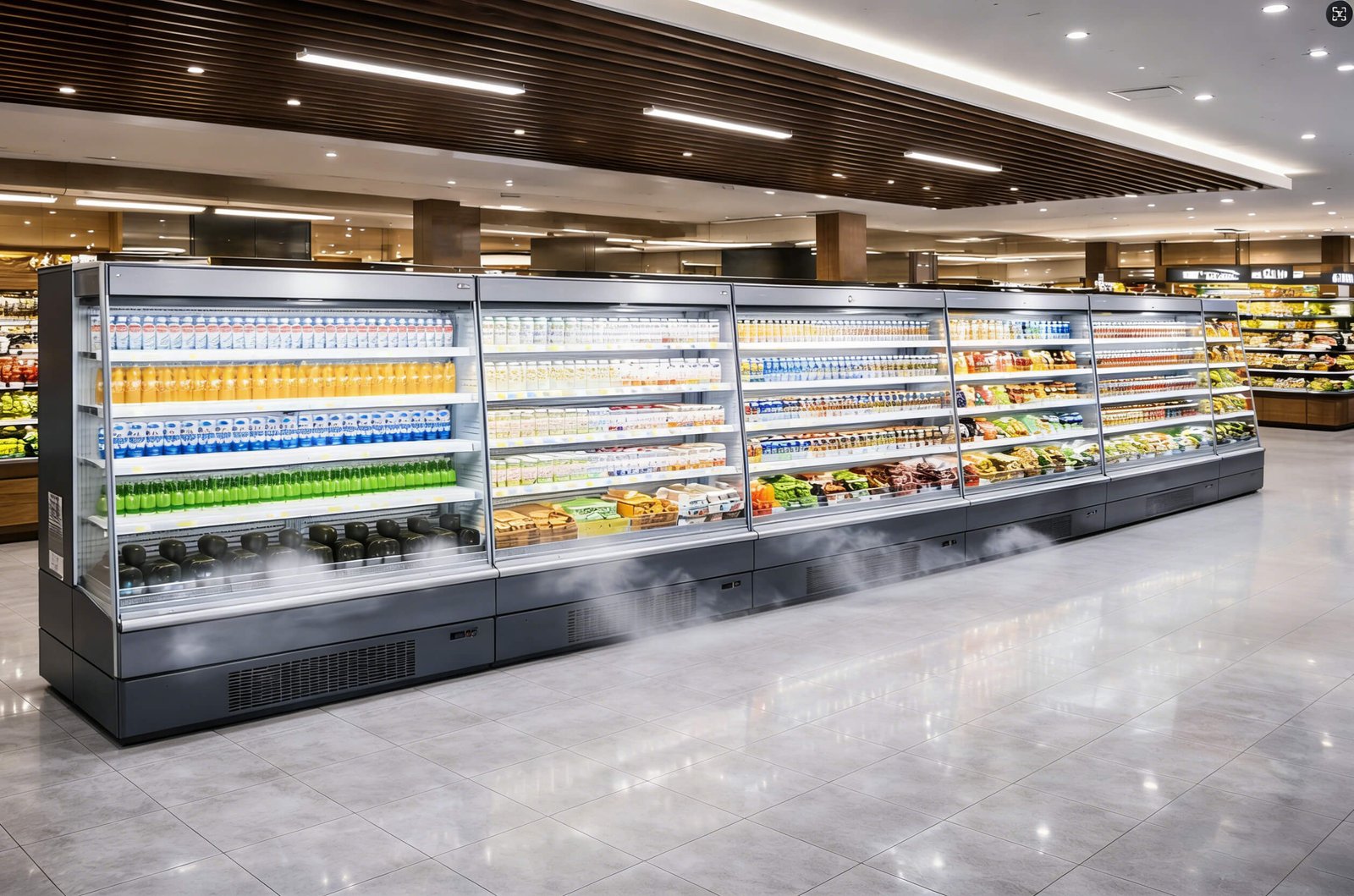
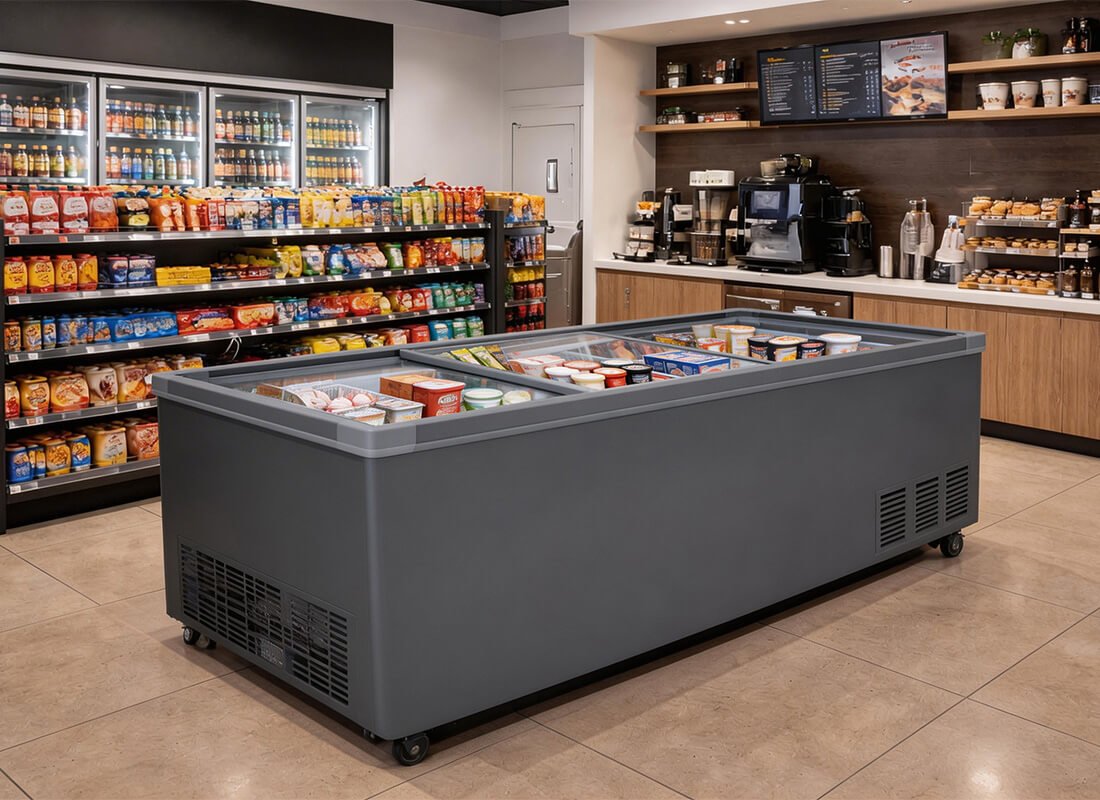
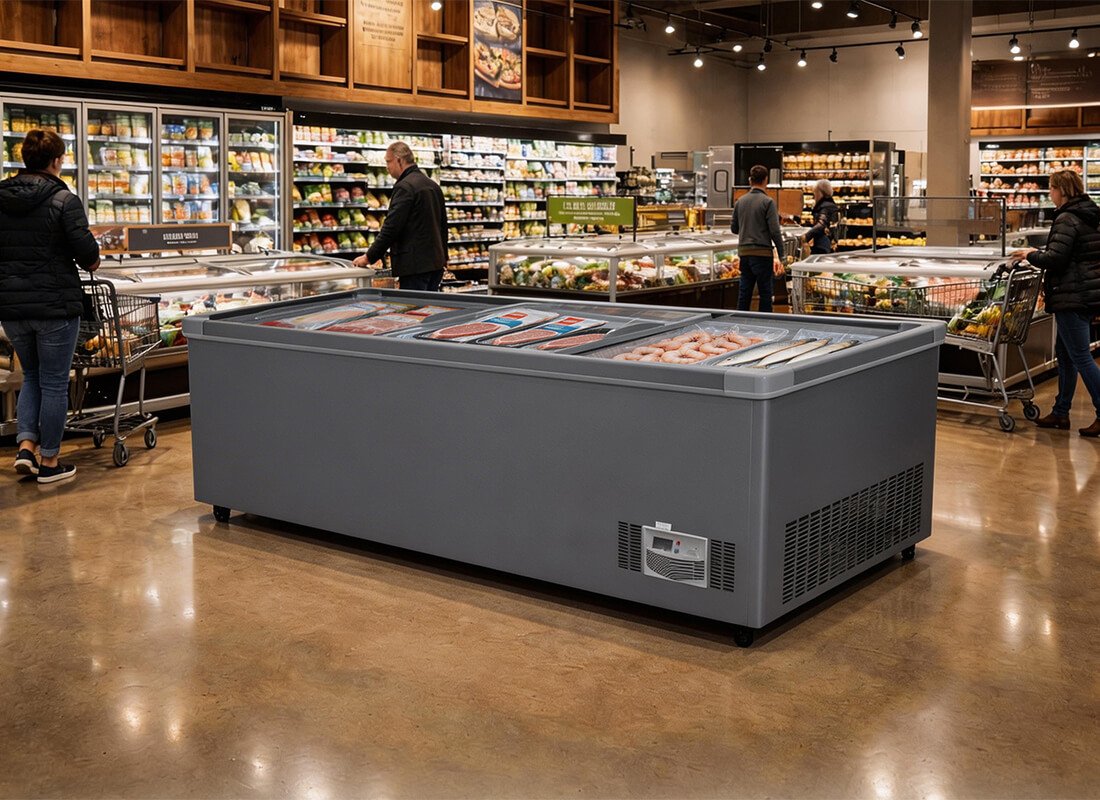
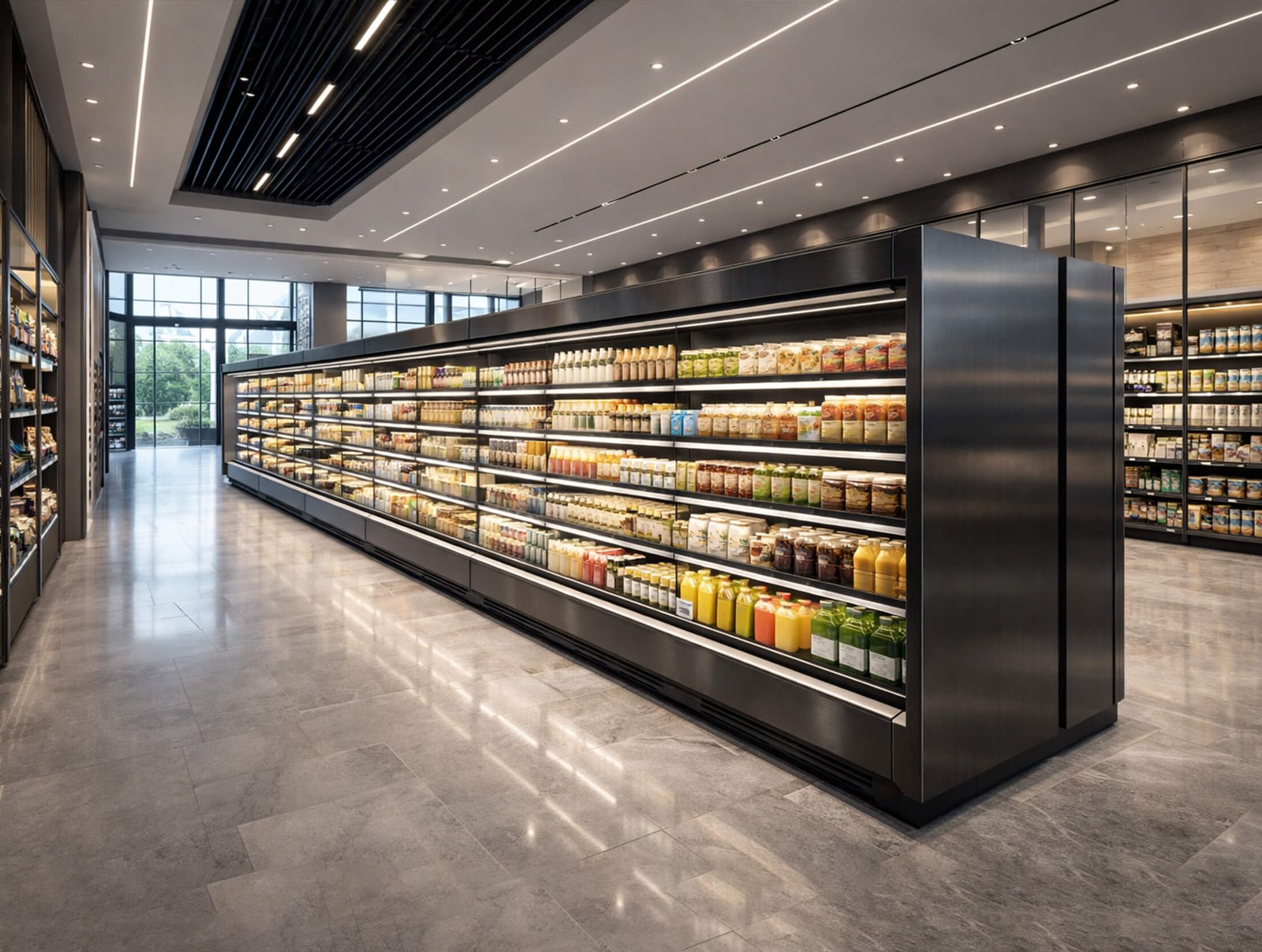
LED lighting plays a critical role in commercial food merchandisers. It does more than simply brighten the cabinet. The right lighting improves product visibility, supports food presentation, enhances customer appeal, and helps maintain a professional retail display.
For supermarkets, convenience stores, butcher shops, delis, and foodservice retailers, proper LED lighting merchandiser replacement is an important part of routine equipment maintenance. When lighting becomes dim, flickers, changes color, or stops working completely, it can reduce display quality and affect the way customers perceive the products inside the cooler.
This guide explains when to replace LED lighting, how to follow a safe power-off procedure, how to select the correct LED tone for food displays, and what to check when cooler lighting is not working.
Why LED Lighting Matters in Food Merchandisers
In a commercial refrigerated merchandiser, lighting directly affects how products look to shoppers. Fresh meat, seafood, dairy, beverages, prepared foods, and packaged products all rely on clear and consistent illumination.
High-quality LED lighting helps:
Improve product visibility
Enhance color presentation
Create a cleaner display appearance
Support brand image and store atmosphere
Reduce energy consumption compared with older lighting systems
Lower heat output inside refrigerated cabinets
Improve the customer shopping experience
For wholesale buyers and commercial equipment distributors, LED lighting quality is also a key selling point. A well-lit merchandiser can make products look fresher, more organized, and more attractive at the point of sale.
Common Signs That LED Lighting Needs Replacement
LED lights are long-lasting, but they do not last forever. Over time, they may lose brightness, develop color inconsistency, or fail due to electrical or environmental factors.
Common signs that replacement may be needed include:
The light strip does not turn on
One section of the cabinet is darker than the rest
The LED light flickers
The color temperature has changed
Products look dull or unevenly lit
The light cover is damaged or yellowed
Moisture has entered the lighting area
The power supply or LED driver is malfunctioning
When a customer reports “lighting not working cooler,” the issue may not always be the LED strip itself. It may also involve the switch, wiring, connector, power supply, door sensor, or controller.
Safe Power-Off Procedure Before Maintenance
Safety should always come first when performing food display lighting maintenance. Commercial merchandisers are electrical appliances, and LED replacement should never be done while the unit is powered.
Before replacing or inspecting LED lighting, follow this safe power-off procedure:
First, turn off the merchandiser using the main power switch if available. Then unplug the unit from the electrical outlet or disconnect it from the power source according to the store’s safety policy. Wait several minutes to allow electrical components to fully power down.
Check that the lighting is completely off before opening the lighting cover or accessing wiring. Avoid touching electrical connectors with wet hands, and keep tools dry. If the merchandiser is hardwired or connected to a complex electrical system, maintenance should be handled by qualified service personnel.
For wholesale users, distributors, and commercial operators, it is also recommended to keep replacement instructions and wiring diagrams available for maintenance teams.
How to Replace LED Lighting in a Merchandiser
The exact replacement process depends on the merchandiser model, LED type, and cabinet design. However, most LED lighting replacement follows a similar process.
Start by confirming the correct replacement LED part. Check the voltage, wattage, connector type, length, mounting style, and color temperature. Using the wrong LED strip may cause poor lighting performance or electrical problems.
After the power is safely turned off, remove the light cover or protective lens. Carefully disconnect the old LED strip or module. Avoid pulling too hard on the wiring, as this may damage the connector or internal harness.
Install the new LED light in the same position as the original part. Make sure it is firmly mounted and properly aligned. Reconnect the wiring securely, then reinstall the light cover. After everything is in place, restore power and test the lighting.
If the new light does not work, turn the power off again and check the connector, driver, switch, and wiring path.
Choosing the Right LED Tone for Food Displays
Display quality depends not only on brightness but also on LED tone. Different food categories require different lighting characteristics to look natural and appealing.
For meat displays, a “meat tone” LED replacement is often recommended. Meat tone lighting is designed to enhance the red and fresh appearance of beef, pork, and other meat products without making them look artificial. This can improve product presentation in butcher cases and fresh meat merchandisers.
For dairy and beverage displays, neutral white or cool white lighting is commonly used. It creates a clean, bright appearance and helps packaging stand out.
For bakery, deli, and prepared food displays, warmer lighting may create a more inviting look. It can help emphasize texture, freshness, and color.
For produce displays, balanced lighting is important to show natural greens, reds, yellows, and oranges clearly.
When replacing LED lighting, always consider both technical compatibility and visual display performance.
Meat Tone LED Replacement: Why It Matters
Fresh meat is highly sensitive to lighting presentation. If the LED tone is too cool, meat may look pale or dull. If the light is too warm or overly saturated, it may look unnatural.
A proper warm tone LED replacement helps maintain a fresh and attractive product appearance. This is especially important for supermarkets, butcher shops, meat departments, and fresh food retailers.
Wholesale buyers should pay attention to whether the merchandiser supplier offers optional LED tones for different display needs. A cabinet designed for beverages may not use the same lighting as a cabinet designed for fresh meat.
Troubleshooting: Lighting Not Working in a Cooler
When the lighting is not working in a cooler, several components should be checked before replacing parts.
First, confirm that the cooler has power. If the compressor, fan, or controller is also not working, the issue may be related to the main power supply instead of the lighting system.
Next, check the light switch. Some commercial merchandisers use a manual switch, while others may use a door switch or controller-based lighting system.
Then inspect the LED connector. Loose or corroded connectors are common causes of lighting failure, especially in refrigerated environments where moisture may be present.
If the connector appears normal, check the LED driver or power supply. A failed driver can prevent the LED strip from turning on even if the strip itself is still functional.
Finally, inspect the LED strip for visible damage, dark sections, water marks, or burned components. If damage is found, replacement is usually required.
Best Practices for Food Display Lighting Maintenance
Regular lighting maintenance helps keep merchandisers attractive and reliable. For commercial operators, lighting should be included in routine inspection schedules.
Clean the light cover regularly to remove dust, fingerprints, and condensation marks. A dirty cover can reduce brightness and make the display look less professional.
Inspect the lighting during opening or closing checks. Look for flickering, uneven brightness, or color differences between cabinets.
Replace damaged lights promptly. Poor lighting can make products look less fresh, even when the refrigeration system is working correctly.
Use compatible replacement parts. Incorrect voltage, size, or connector type can lead to poor performance or equipment damage.
Keep spare LED strips, drivers, and connectors available for high-traffic retail locations. This reduces downtime when lighting problems occur.
Why Wholesale Buyers Should Care About LED Lighting Quality
For wholesale equipment buyers, LED lighting is an important product feature. Retail customers want merchandisers that are efficient, reliable, and visually appealing.
A high-quality LED system can help improve product presentation while reducing long-term operating costs. Good lighting also makes the merchandiser easier to sell to supermarkets, restaurants, convenience stores, and specialty food retailers.
When sourcing commercial food merchandisers, buyers should ask about:
LED color temperature options
Meat-tone lighting availability
LED lifespan
Replacement part availability
Energy efficiency
Water-resistant lighting design
Ease of maintenance
Compatibility with different food display applications
A merchandiser with strong lighting performance can offer better value in wholesale markets.
Final Thoughts
LED lighting maintenance is essential for both safety and display quality. Whether you are replacing a failed LED strip, upgrading to meat-tone lighting, or troubleshooting a cooler with lighting problems, the correct procedure helps protect the equipment and improve product presentation.
For commercial food merchandisers, lighting is not just a technical detail. It is part of the customer experience. Safe replacement, proper LED tone selection, and regular maintenance can help food retailers keep their displays bright, attractive, and professional.
FAQ
1. When should LED lighting in a merchandiser be replaced?
LED lighting should be replaced when it stops working, flickers, becomes dim, changes color, or creates uneven lighting inside the merchandiser. Replacement may also be needed if the light cover or LED strip is damaged.
2. Why is a safe power-off procedure important before LED replacement?
A safe power-off procedure helps prevent electrical shock, equipment damage, and maintenance accidents. Always turn off and disconnect the merchandiser from power before accessing LED lights or wiring.
3. What is a meat-tone LED lighting?
Meat-tone LED lighting is designed to improve the visual appearance of fresh meat products. It helps enhance natural red tones and makes meat displays look fresher and more appealing.
4. What should I check if the cooler lighting is not working?
Check the main power supply, light switch, door switch, LED connector, wiring, LED driver, and LED strip. The problem may come from the power system, not only the LED light itself.
5. Can I use any LED strip as a replacement?
No. The replacement LED must match the merchandiser’s voltage, wattage, size, connector type, mounting style, and color temperature. Using the wrong part may cause poor performance or damage.
6. Which LED color is best for food display lighting?
It depends on the product. Meat displays often benefit from meat tone LEDs, beverage and dairy displays usually use neutral or cool white lighting, and bakery or prepared food displays may look better with warmer lighting.
7. How often should food display lighting be inspected?
Commercial merchandiser lighting should be checked regularly during routine maintenance. High-traffic retail locations may inspect lighting daily or weekly to ensure consistent display quality.
8. Why is LED lighting important for wholesale merchandisers?
LED lighting improves product presentation, supports energy efficiency, and increases the commercial value of the merchandiser. For wholesale buyers, reliable and attractive lighting can make equipment easier to sell.