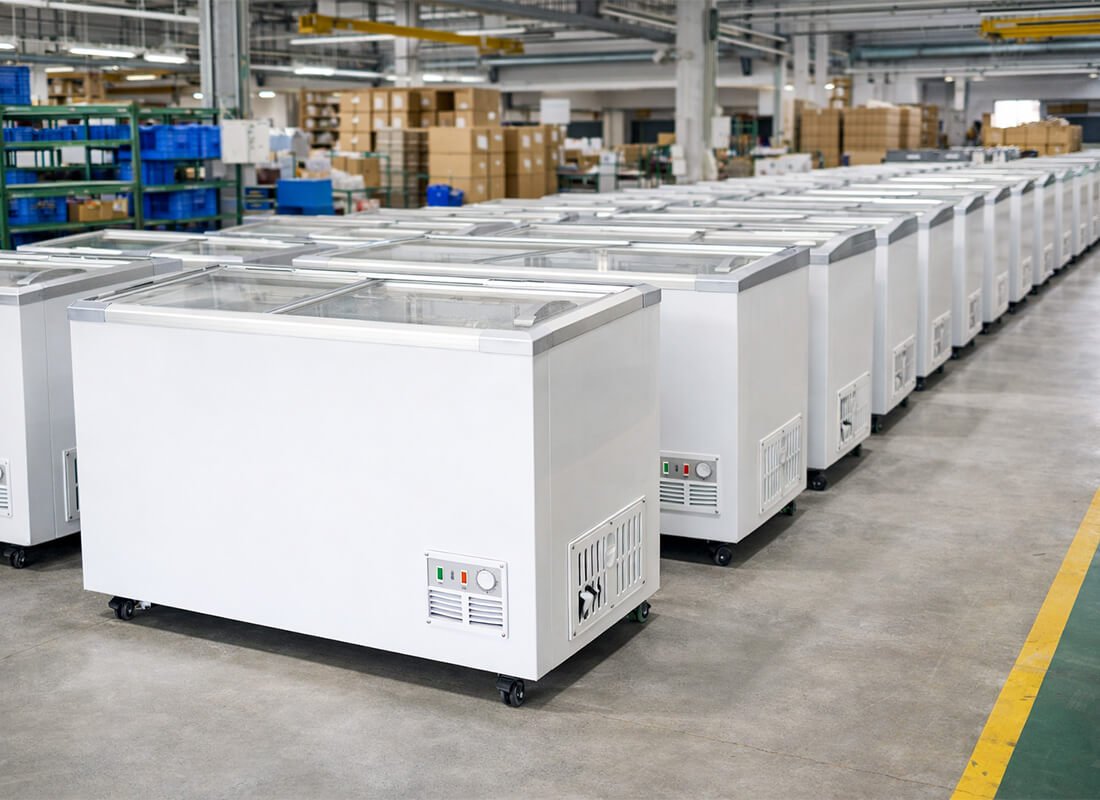
Choosing commercial refrigeration for supermarkets is not simply about buying display cases, freezers, or cold rooms at the lowest price. For chain supermarkets, convenience stores, grocery retailers, and foodservice groups, refrigeration decisions directly affect product safety, operating costs, store consistency, maintenance workload, and long-term profitability.
A single refrigeration mistake may be manageable in one store. But when that same mistake is repeated across 20, 100, or 500 locations, it becomes an expensive chain-wide problem.
That is why chain store standardization matters. The right refrigeration project checklist helps buyers compare equipment properly, avoid hidden installation issues, and create repeatable standards for future store openings.
Below are 12 common mistakes buyers make when selecting commercial refrigeration for chain stores — and how to avoid them.
1. Choosing Refrigeration Equipment Based Only on Price
Price matters, especially for multi-store rollouts. However, choosing commercial refrigerators or freezers based only on the lowest purchase price often leads to higher lifetime costs.
Low-cost equipment may use less efficient compressors, thinner insulation, weaker glass doors, poor-quality shelving, or components that are harder to replace. Over time, this can result in higher electricity bills, more service calls, unstable cabinet temperatures, and shorter equipment life.
For chain buyers, it is better to evaluate the total cost of ownership, including:
- Energy consumption
- Cooling performance
- Warranty terms
- Spare parts availability
- Maintenance access
- Expected service life
- Installation requirements
A lower upfront price is not always a lower long-term cost.
2. Selecting the Wrong Temperature Range
One of the most serious mistakes is choosing the wrong temperature range for the product category.
Different products require different refrigeration conditions. Fresh meat, dairy, beverages, frozen food, ice cream, prepared meals, seafood, flowers, and produce all have different storage and display requirements. Using the wrong equipment can cause product spoilage, food safety risks, frost buildup, poor merchandising appearance, and customer complaints.
For example, a beverage display cooler is not designed to hold fresh meat safely. A general freezer may not be suitable for premium ice cream if it cannot maintain stable low temperatures during peak store traffic.
Before buying, confirm the required temperature range for each product category and match it with the correct cabinet type.
Common supermarket refrigeration categories include:
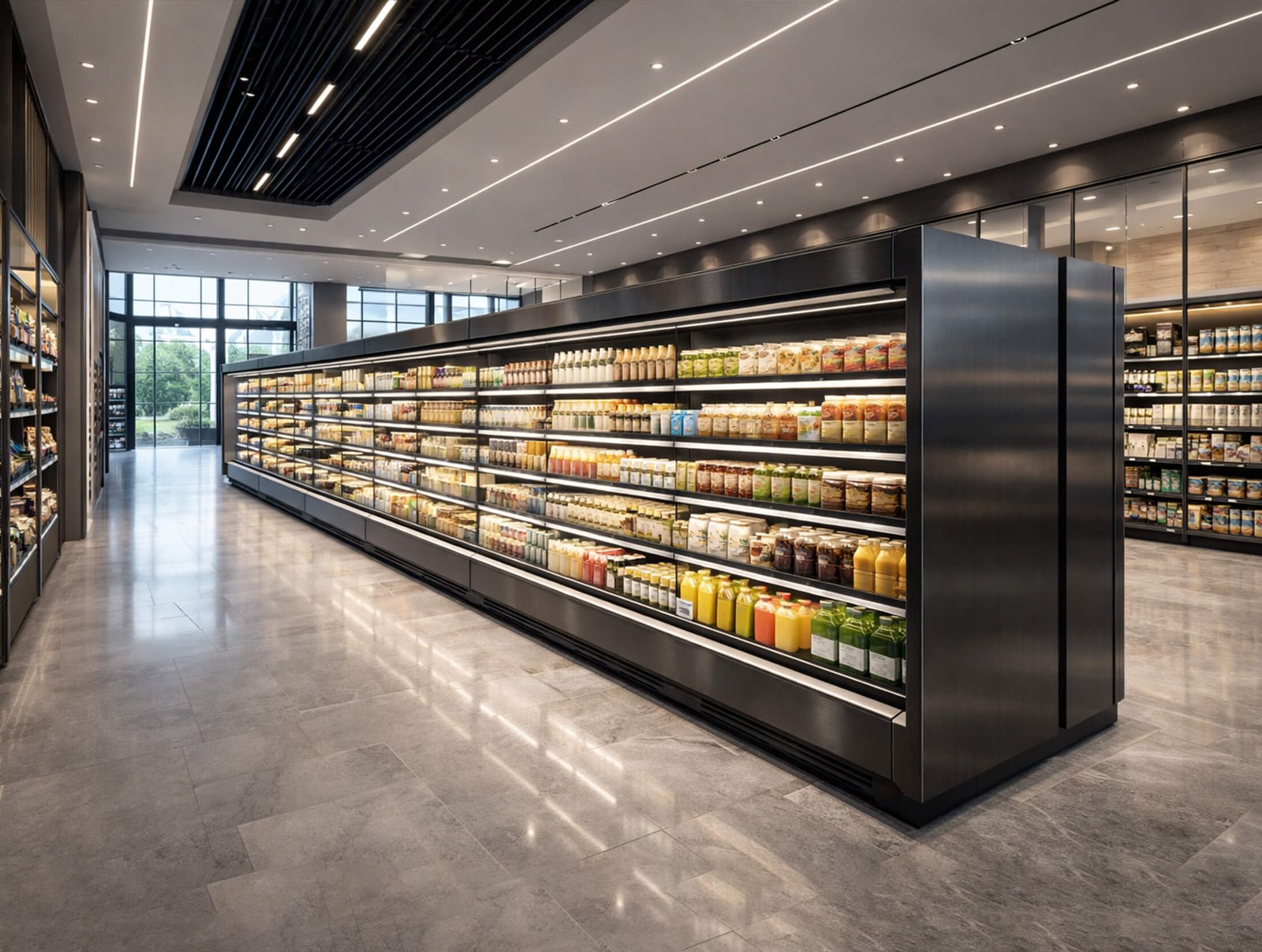
- Multideck chillers for dairy, drinks, and packaged fresh food
- Serve-over counters for meat, deli, and seafood
- Glass door freezers for frozen food
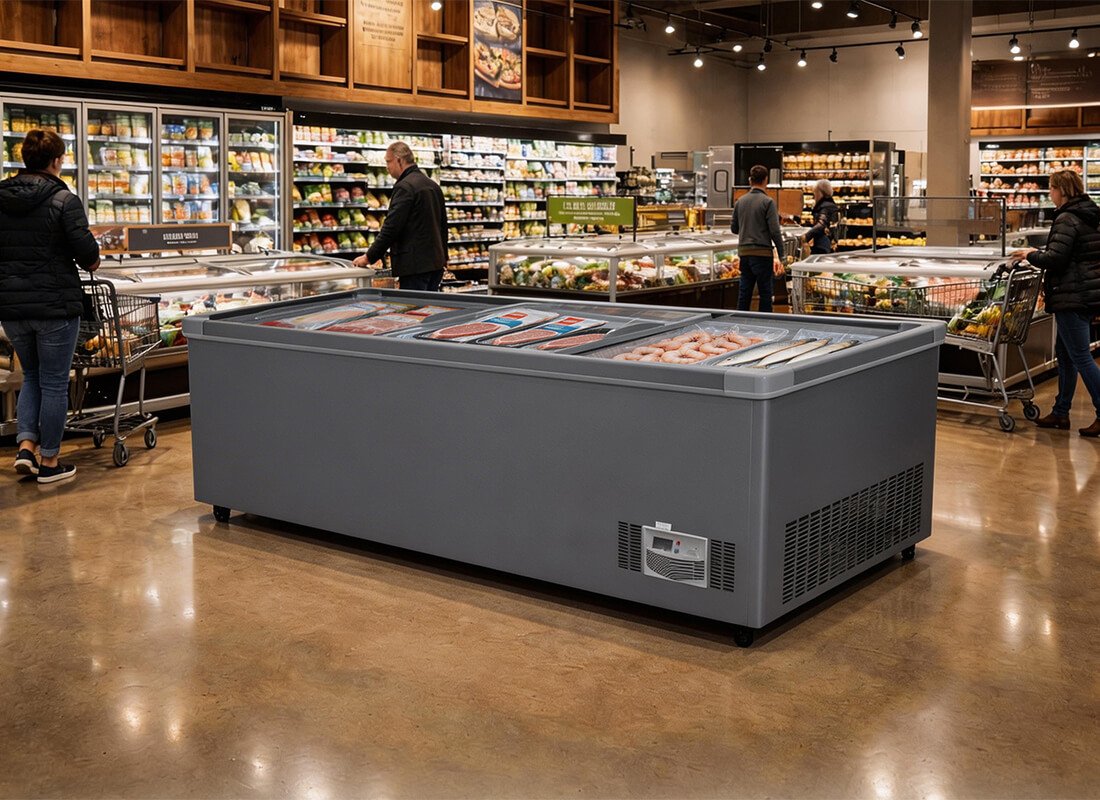
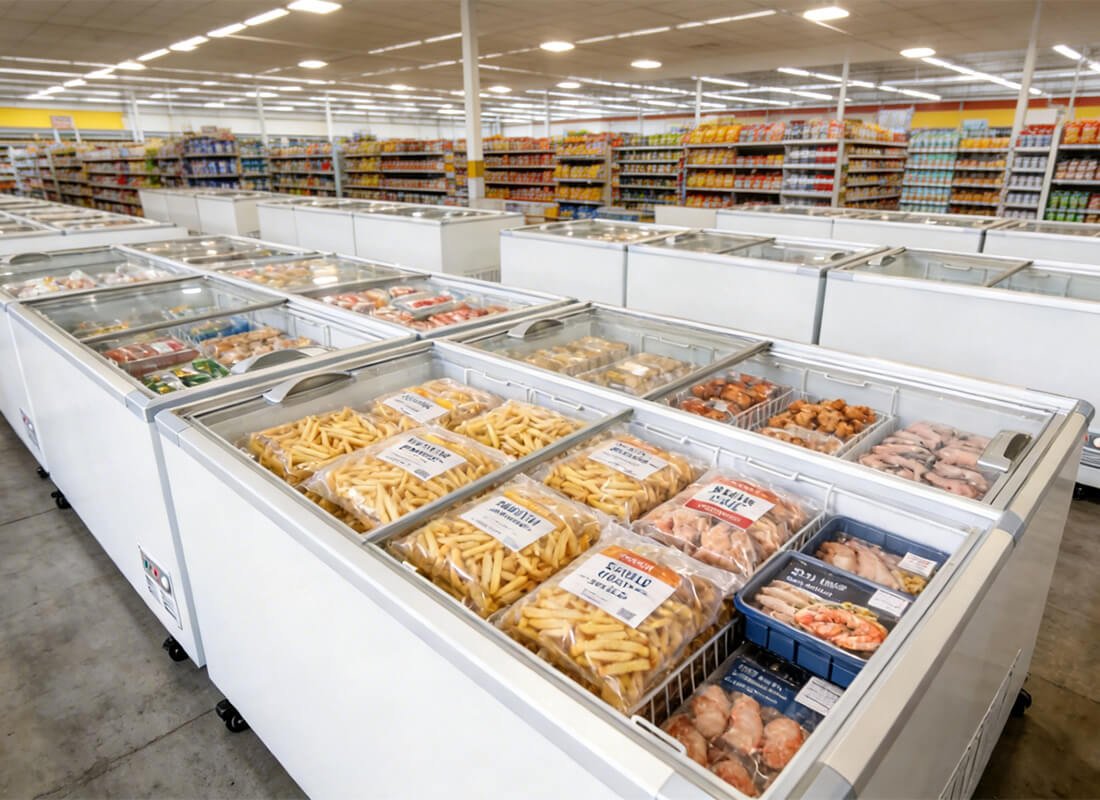
- Island freezers for bulk frozen goods
- Cold rooms for back-of-house storage
- Plug-in display coolers for flexible retail areas
For chain standardization, define approved temperature ranges by product category before placing bulk orders.
3. Ignoring Store Layout and Traffic Flow
Commercial refrigeration equipment is part of the store experience. Poor placement can reduce sales, block customer movement, create uncomfortable hot zones, or make restocking more difficult.
Buyers sometimes choose refrigeration units before finalizing store layout. This can result in cabinets that are too deep, too tall, too wide, or poorly positioned for the actual retail space.
When selecting refrigeration for supermarkets and chain stores, consider:
- Aisle width
- Door swing clearance
- Customer traffic flow
- Product visibility
- Restocking access
- Checkout proximity
- Power supply location
- Drainage requirements
- Heat discharge direction
The best refrigeration solution should support both product preservation and sales performance.
4. Overlooking Ventilation Clearance
Poor ventilation clearance is a common cause of refrigeration failure, especially with plug-in units.
Commercial refrigerators need enough space around air intake and exhaust areas. If cabinets are pushed too close to walls, blocked by shelves, or installed in poorly ventilated spaces, heat cannot escape properly. This forces the compressor to work harder, increases energy consumption, and may cause overheating or breakdowns.
For chain store standardization, every refrigeration project checklist should include ventilation clearance requirements.
Buyers should confirm:
- Minimum rear clearance
- Side clearance
- Top clearance
- Front air intake requirements
- Ambient temperature limits
- Whether the unit is plug-in or remote-type
- Whether additional ventilation is needed in small rooms
Ignoring clearance may not show problems on day one, but it can seriously reduce equipment reliability over time.
5. Not Considering Local Ambient Conditions
A refrigerator that performs well in a mild environment may struggle in a hot, humid, or poorly air-conditioned store.
Ambient temperature and humidity affect cooling performance, energy usage, condensation, and defrost cycles. This is especially important for supermarkets, convenience stores, and food retailers operating across different regions.
For international buyers or chains with stores in multiple climate zones, equipment should be selected based on actual store conditions, not just catalog specifications.
Key questions include:
- What is the average indoor store temperature?
- Does the store have reliable air conditioning?
- Is the location humid?
- Are doors frequently opened?
- Will the equipment be near windows or direct sunlight?
- Will the unit operate in a kitchen, warehouse, or retail area?
For chain buyers, refrigeration standards may need different specifications for different regions.
6. Failing to Standardize Models Across Chain Stores
One of the biggest advantages of chain retail is repeatability. However, many buyers still purchase different refrigeration models from different suppliers for different store openings.
This creates problems later.
Without standardization, each store may require different spare parts, technician training, manuals, shelving systems, temperature controllers, and maintenance procedures. Store managers may also struggle with inconsistent equipment performance and display layouts.
A standardized refrigeration program helps chains improve:
- Purchasing efficiency
- Store design consistency
- Spare parts management
- Staff training
- Maintenance planning
- Brand appearance
- Future store expansion
This does not mean every store must use the exact same equipment. But it does mean the chain should have an approved equipment list, clear specifications, and consistent refrigeration standards.
7. Forgetting About Energy Efficiency
Commercial refrigeration often runs 24 hours a day. Even a small difference in energy efficiency can become a major cost across multiple stores.
Some buyers focus only on capacity and appearance, while ignoring energy consumption. This is a costly mistake for chain supermarkets, where dozens or hundreds of units may operate continuously.
Energy-efficient refrigeration can help reduce operating costs and support sustainability goals. Features to consider include:
- Efficient compressors
- LED lighting
- Low-emissivity glass doors
- High-density insulation
- Electronic temperature controllers
- Night curtains for open chillers
- EC fans
- Optimized defrost systems
When comparing commercial refrigeration suppliers, ask for power consumption data and evaluate projected energy costs over the equipment’s expected life.
8. Choosing the Wrong Size or Capacity
Oversized and undersized refrigeration units both create problems.
An undersized unit may not provide enough display space or storage capacity, leading to overcrowded shelves, poor airflow, and unstable product temperatures. An oversized unit may waste floor space, increase energy use, and reduce store flexibility.
For chain stores, buyers should base equipment capacity on actual sales volume, product rotation, delivery frequency, and merchandising plans.
Important sizing factors include:
- Number of SKUs
- Daily sales volume
- Refill frequency
- Packaging size
- Shelf loading depth
- Peak shopping periods
- Backroom storage needs
- Store format size
A compact urban convenience store and a large suburban supermarket should not use the same refrigeration layout without proper planning.
9. Ignoring Maintenance Access
A refrigeration unit may look perfect in a showroom but become difficult to service after installation.
Technicians need access to compressors, condensers, filters, fans, controllers, drain lines, and electrical components. If the equipment is installed too tightly or placed in an inaccessible area, routine maintenance becomes slower and more expensive.
For chain operations, poor maintenance access can lead to longer downtime and inconsistent service quality across locations.
Before finalizing refrigeration equipment, confirm:
- Where technicians can access key components
- Whether panels can be removed easily
- Whether the unit can be cleaned without moving major fixtures
- Whether spare parts are easy to replace
- Whether service manuals are available
- Whether the supplier can support future maintenance needs
Good refrigeration design should make maintenance simple, not complicated.
10. Not Checking Compliance and Food Safety Requirements
Commercial refrigeration is closely connected to food safety. Buyers must ensure that the selected equipment meets applicable standards for the target market.
This is especially important for wholesale buyers, importers, supermarket chains, and food retailers operating in Europe, North America, or other regulated markets.
Depending on the market, buyers may need to confirm:
- Electrical safety certification
- Refrigerant compliance
- Food-grade materials
- Hygiene design
- Temperature control accuracy
- Energy efficiency requirements
- Local installation codes
Do not assume that all commercial refrigeration equipment is suitable for every market. Always check documentation before purchasing, especially for large-volume wholesale orders.
11. Underestimating Installation Requirements
Commercial refrigeration is not a plug-and-play decision in many supermarket projects.
Even plug-in units require proper electrical capacity, ventilation, leveling, drainage planning, and safe placement. Remote refrigeration systems require even more coordination, including piping, condensing units, refrigerant lines, installation labor, and commissioning.
Buyers often focus on the product itself but forget the full installation environment.
A practical refrigeration project checklist should include:
- Store layout drawings
- Electrical specifications
- Voltage and frequency
- Plug type
- Drainage requirements
- Ventilation clearance
- Delivery access
- Doorway dimensions
- Installation timeline
- On-site responsibility
- Commissioning procedure
For chain stores, documenting installation requirements makes future rollouts faster and more predictable.
12. Choosing a Supplier Without Chain Store Support Experience
Not every commercial refrigeration supplier understands the needs of chain retailers.
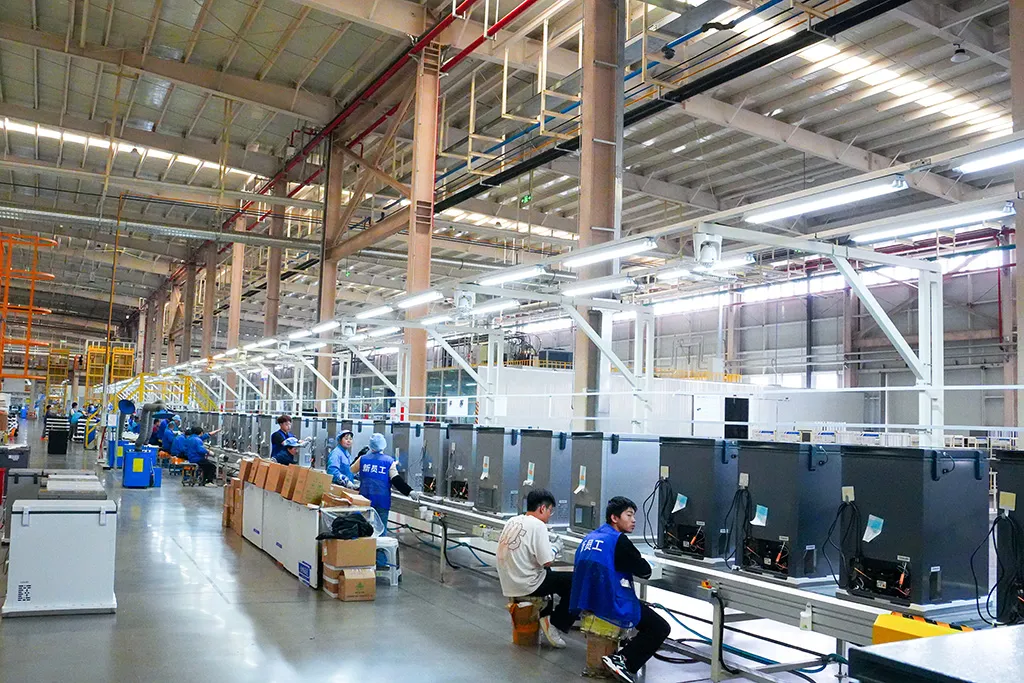
A one-time equipment seller may provide a product. A chain-focused refrigeration partner should help with model standardization, documentation, customization, spare parts planning, packaging, logistics, and repeat orders.
For wholesale buyers and supermarket chains, supplier capability is just as important as equipment quality.
Look for a supplier that can support:
- Bulk order production
- OEM or branding requirements
- Consistent model availability
- Technical documentation
- Spare parts supply
- Packaging for export
- Project-based recommendations
- Mixed container loading
- Long-term cooperation
For chain expansion, choosing the right refrigeration supplier can reduce risk across every new store opening.
A Practical Refrigeration Project Checklist for Chain Buyers
Before confirming a commercial refrigeration order, chain buyers should review the following checklist:
- Product category and required temperature range
- Store layout and equipment placement
- Cabinet dimensions and usable capacity
- Ventilation clearance
- Ambient temperature and humidity conditions
- Energy consumption
- Electrical requirements
- Drainage and installation needs
- Maintenance access
- Certifications and market compliance
- Spare parts availability
- Packaging and shipping method
- Standardized model list for future stores
- Warranty and after-sales support
- Supplier experience with chain store projects
This checklist helps buyers avoid costly mistakes and create repeatable refrigeration standards across multiple locations.
Final Thoughts
Selecting commercial refrigeration for supermarkets is a strategic decision for chain retailers, not just a purchasing task. The wrong equipment can increase energy costs, cause product loss, create maintenance problems, and damage store consistency.
The best approach is to combine product knowledge with chain store standardization. By defining the right temperature ranges, checking ventilation clearance, planning installation details, and working with a supplier experienced in wholesale and chain store projects, buyers can build a refrigeration system that supports long-term growth.
For supermarket chains, convenience stores, grocery retailers, and foodservice groups, a clear refrigeration standard is more than a technical document. It is a practical tool for reducing risk, controlling costs, and opening new stores with confidence.
FAQ
1. What is the most important factor when choosing commercial refrigeration for supermarkets?
The most important factor is matching the refrigeration equipment to the product category and required temperature range. Fresh meat, dairy, beverages, frozen food, seafood, and ice cream all require different refrigeration conditions. Chain buyers should also consider energy efficiency, ventilation clearance, installation requirements, and long-term maintenance.
2. Why is chain store standardization important for refrigeration projects?
Chain store standardization helps retailers keep equipment models, spare parts, store layouts, maintenance procedures, and product displays consistent across multiple locations. This reduces purchasing complexity, improves service efficiency, and makes future store openings easier to manage.
3. What happens if a commercial refrigerator has poor ventilation clearance?
Poor ventilation clearance can cause heat buildup, compressor overload, higher energy consumption, unstable temperatures, and equipment failure. Buyers should always check the manufacturer’s clearance requirements before installation, especially for plug-in display coolers and freezers.
4. How do I know if I am choosing the wrong temperature range?
You may be choosing the wrong temperature range if the equipment is not designed for the specific product category. For example, beverage coolers should not be used for fresh meat, and standard freezers may not be suitable for ice cream. Always confirm the required storage or display temperature before ordering.
5. Should supermarket chains choose plug-in or remote refrigeration systems?
It depends on the store format, project scale, installation conditions, and maintenance plan. Plug-in units are flexible and easier to install, while remote systems can reduce in-store heat and noise for larger supermarket projects. Chain buyers should evaluate store layout, energy use, installation cost, and long-term service needs before deciding.
6. What should be included in a refrigeration project checklist?
A good refrigeration project checklist should include product temperature requirements, equipment dimensions, capacity, ventilation clearance, electrical specifications, drainage needs, ambient conditions, certifications, installation access, maintenance access, spare parts, warranty, and supplier support.
7. How can wholesale buyers reduce risks when ordering commercial refrigeration?
Wholesale buyers can reduce risks by confirming technical specifications, checking certifications, requesting clear product documentation, standardizing models, reviewing packaging and shipping methods, and working with a supplier experienced in bulk orders and chain store projects.