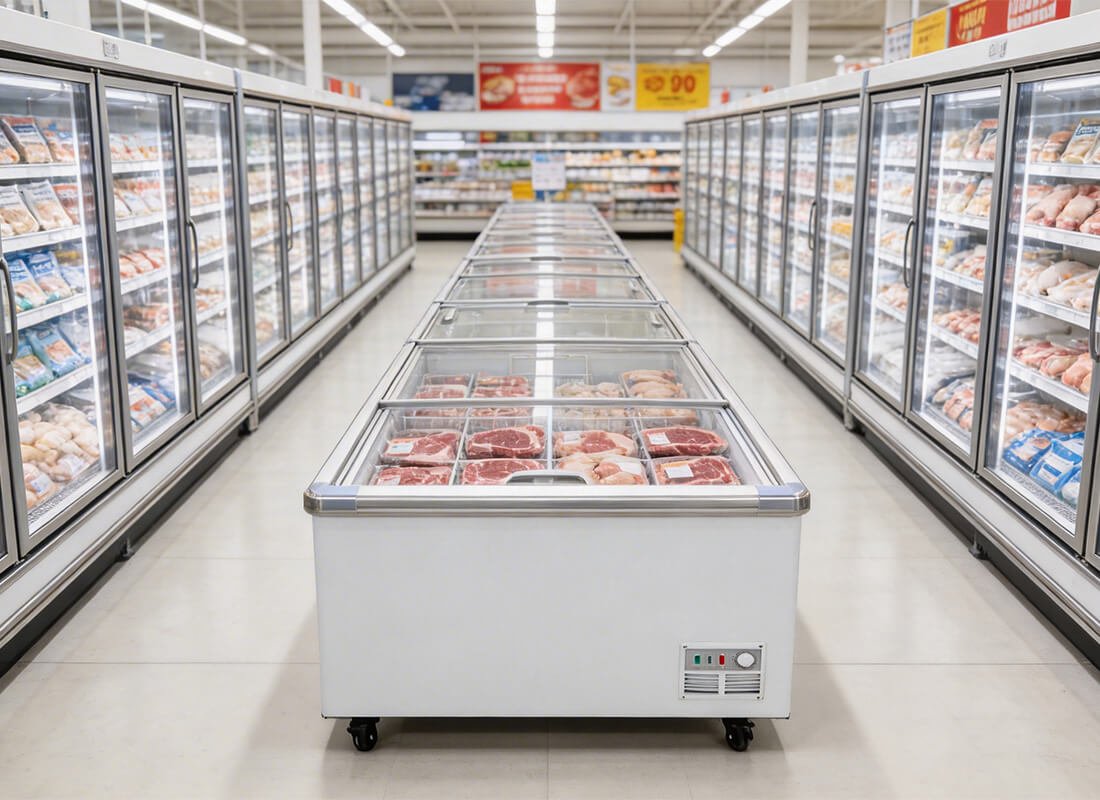
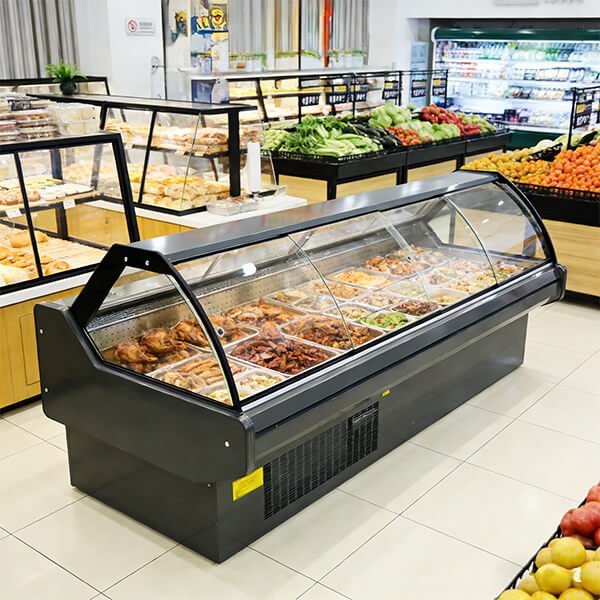
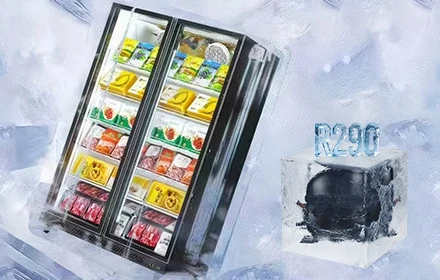
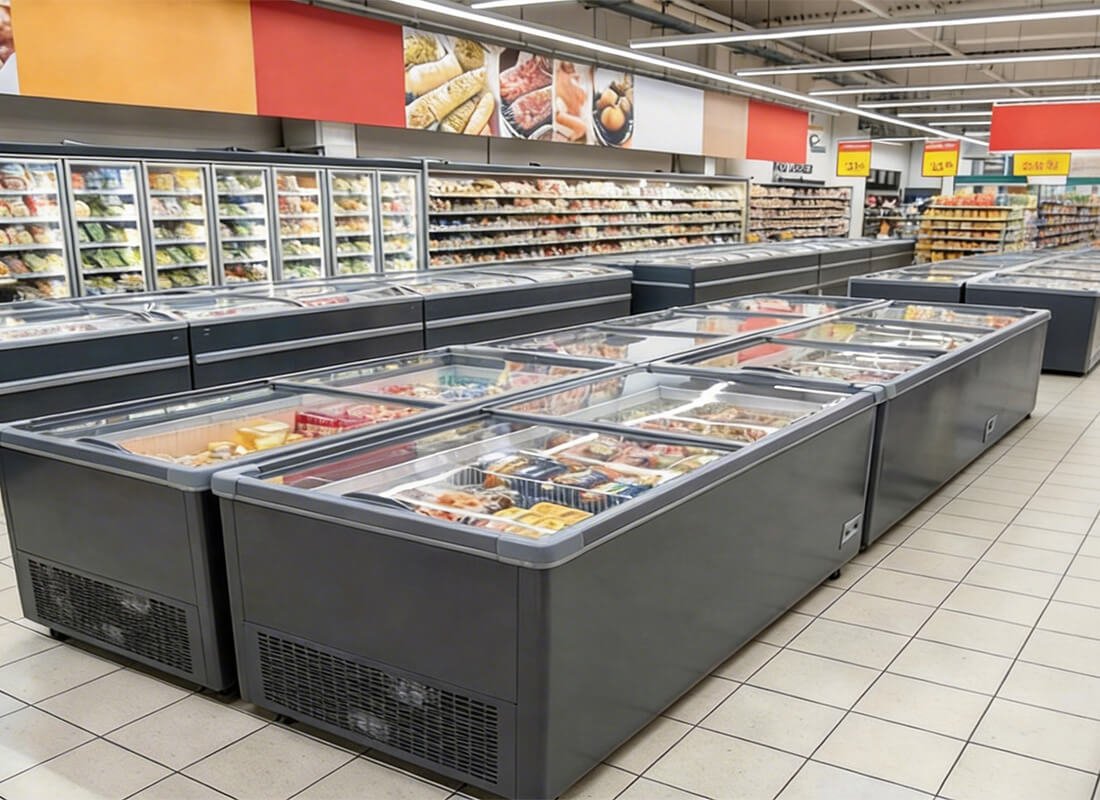
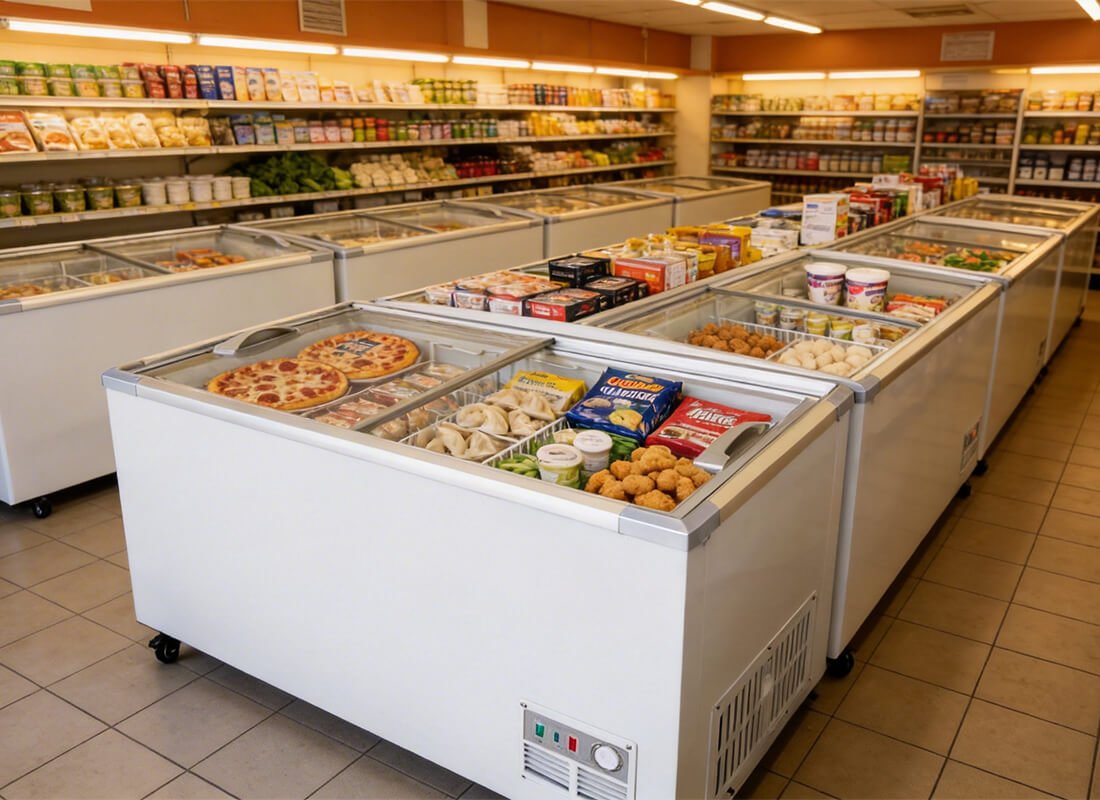
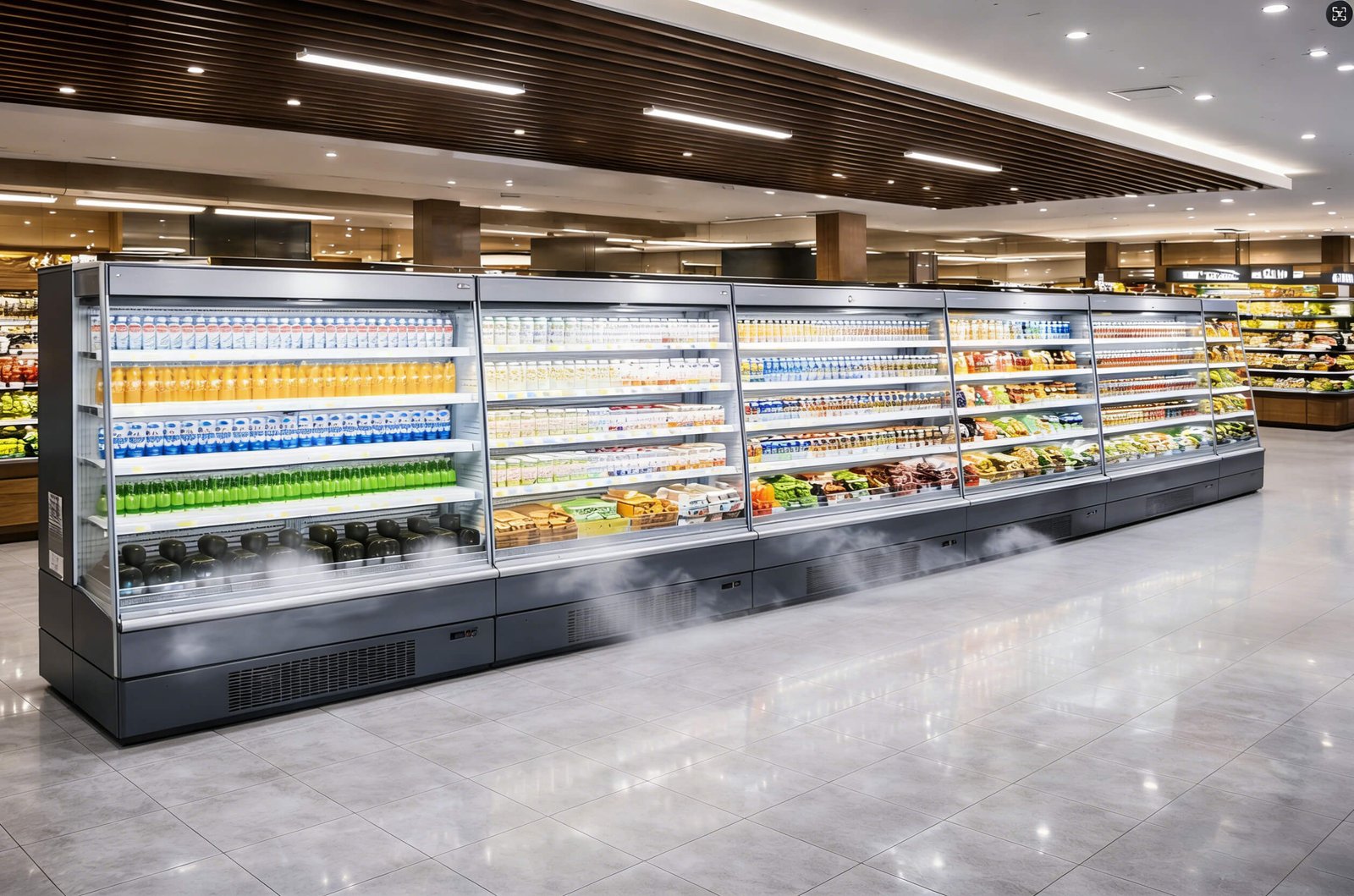
R290 refrigeration is no longer a niche option. As commercial refrigeration moves toward lower-GWP solutions, propane refrigerant R290 has become a practical choice for display coolers, freezers, beverage cabinets, ice machines, and other self-contained refrigeration equipment.
For wholesalers, distributors, foodservice operators, and service teams, the message is simple: R290 is safe and efficient when used correctly — but it is not forgiving when safety rules are ignored.
R290 is propane. It delivers excellent cooling performance and a very low global warming potential, but it is classified as an A3 refrigerant, meaning it is highly flammable. That does not make R290 unsuitable for commercial use. It means equipment selection, installation, daily operation, maintenance, and service work must follow strict safety requirements.
Recent standards and regulatory updates have allowed higher R290 charge limits in certain self-contained commercial refrigeration applications. For example, IEC 60335-2-89 increased A3 refrigerant charge limits from 150 g to 500 g for specific equipment categories, while U.S. SNAP Rule 26 and UL 60335-2-89 allow roughly 300 g for certain units with doors or drawers and up to roughly 500 g for open stand-alone units, depending on design and application.
However, higher allowable charge does not mean relaxed safety. It means manufacturers, operators, and technicians must understand the red lines.
Why R290 Is Used in Commercial Refrigeration
R290 has become popular because it offers several business advantages:
It has strong cooling efficiency, which can help reduce energy consumption. It also has a very low environmental impact compared with many traditional HFC refrigerants. For businesses selling into Europe, North America, and other regulated markets, R290 helps align refrigeration products with low-GWP trends and refrigerant transition policies.
For wholesale buyers, this makes R290 refrigeration equipment attractive. It supports modern sustainability goals, often performs well in demanding commercial environments, and is widely used in self-contained refrigeration systems.
But R290’s advantage comes with one non-negotiable requirement: flammability risk must be controlled from the factory to the job site.
What Does A3 Mean for R290 Refrigerant?
Refrigerants are classified by toxicity and flammability. R290 is classified as A3:
A means lower toxicity.
3 means higher flammability.
This classification matters because R290 vapor can ignite if it leaks, accumulates in an enclosed or poorly ventilated space, and meets an ignition source. In practical terms, safety depends on three things:
- Keeping the refrigerant charge within legal and design limits
- Preventing refrigerant from accumulating near the equipment
- Eliminating ignition sources during operation and service
A properly certified R290 refrigeration unit is designed with these risks in mind. The danger increases when people modify the system, use unapproved parts, bypass safety labels, service the unit without proper tools, or install it in unsuitable spaces.
R290 Charge Limits: 300 g, 500 g, and Why They Matter
One of the most common questions from wholesale buyers is: “How much R290 can a commercial refrigeration unit contain?”
The answer depends on the market, product category, cabinet design, applicable standard, and certification.
In general, current commercial refrigeration standards allow higher R290 charge limits than older 150 g rules in certain self-contained equipment. IEC 60335-2-89 allows up to 500 g for some A3 commercial refrigeration applications, while U.S. rules and UL-based requirements commonly reference roughly 300 g for units with doors or drawers and roughly 500 g for open stand-alone units or certain ice machines.
For buyers and technicians, the safe approach is:
Never assume the charge limit based only on refrigerant type. Always follow the equipment nameplate, product certification, local regulation, and manufacturer service manual.
The amount printed on the unit is not a suggestion. It is part of the safety design.
Critical Safety Red Lines for R290 Refrigeration
1. Do Not Exceed the Factory Charge
R290 systems are charge-sensitive. Overcharging can affect performance, pressure, and safety.
Technicians must use accurate scales and charge only the exact amount specified by the manufacturer. Guesswork is unacceptable. “Topping off” without diagnosing the leak or confirming the required charge can create a serious hazard.
For operators and dealers, this means service should be performed only by trained personnel familiar with hydrocarbon refrigerants.
2. Keep Ignition Sources Away
Because R290 is flammable, ignition control is one of the most important safety requirements.
Keep the equipment away from open flames, sparks, smoking areas, hot work, exposed electrical faults, and non-approved electrical modifications. During service, technicians must not use tools or procedures that could create sparks near a suspected leak.
This includes grinding, brazing, welding, or using non-rated electrical devices in an area where refrigerant may be present.
The basic rule is simple: if R290 may have leaked, treat the surrounding area as potentially flammable until it has been ventilated and tested.
3. Ensure Proper Ventilation
Ventilation is essential for R290 refrigeration safety. Propane vapor can accumulate in low or enclosed areas if there is a leak.
Operators should place R290 equipment in areas with adequate airflow and avoid blocking ventilation openings. Do not install the unit in sealed rooms, tight closets, confined storage areas, or spaces that do not meet the manufacturer’s installation requirements.
For commercial kitchens, convenience stores, supermarkets, cafés, and foodservice locations, ventilation should be considered before installation — not after a problem occurs.
4. Never Modify the Refrigeration Circuit
R290 refrigeration units are engineered and certified as complete systems. Changing components without manufacturer approval can compromise safety.
Do not replace compressors, condensers, evaporators, fans, relays, controllers, tubing, or electrical parts with non-approved alternatives. Do not convert equipment designed for another refrigerant to R290 unless the manufacturer has specifically designed and certified it for that purpose.
For wholesalers, this is especially important when supplying replacement parts. Parts compatibility is not only a performance issue; it is a safety and compliance issue.
5. Use R290-Rated Service Tools
Technicians should use tools and equipment suitable for hydrocarbon refrigerants. This includes proper leak detectors, recovery procedures where applicable, vacuum pumps, scales, ventilation equipment, and anti-spark work practices.
Service personnel must also understand that R290 systems often use small refrigerant charges. Small measurement errors can have a large effect.
Good service practice includes:
Checking the nameplate before work begins
Ventilating the area
Avoiding ignition sources
Using accurate weighing equipment
Repairing leaks before recharging
Following the manufacturer’s service instructions
Labeling and documenting the work properly
Safe Daily Operation for Store Owners and Staff
Operators do not need to be refrigeration engineers, but they do need to follow basic rules.
Keep air vents clear. Do not store flammable materials near the unit. Do not use extension cords unless the manufacturer allows it. Do not drill into the cabinet. Do not damage refrigerant tubing while cleaning or moving the unit. Do not continue operating a unit that smells unusual, makes abnormal noises, shows signs of damage, or has been hit during transport.
If a leak is suspected, staff should disconnect power only if it is safe to do so, ventilate the area, keep people away from ignition sources, and contact qualified service personnel.
Operators should never attempt DIY refrigerant repair.
Installation Requirements for R290 Equipment
Before installing R290 refrigeration equipment, confirm that the site is suitable.
The installation area should provide enough space around the unit for airflow and service access. The floor should be level and stable. The unit should not be placed near ovens, heaters, open flames, electrical panels with exposed faults, or areas where sparks may occur.
The room size and ventilation should match the manufacturer’s instructions and local codes. Some higher-charge applications may have additional requirements based on room volume, airflow, and equipment design.
In Europe and North America, equipment must also meet applicable product standards, certification requirements, and refrigerant-use regulations. The EU harmonized EN IEC 60335-2-89 standard allows increased R290 limits for specific self-contained commercial equipment, while U.S. adoption depends on EPA SNAP rules and UL/CSA standards.
Technician Checklist Before Servicing R290 Refrigeration
Before starting service work, technicians should confirm:
The unit uses R290 refrigerant
The refrigerant charge amount on the nameplate
The work area is ventilated
No open flames or spark sources are nearby
The correct tools are available
The leak detector is suitable for hydrocarbons
The technician is trained for A3 refrigerants
The manufacturer’s service manual is available
Replacement parts are approved for the model
The system will be charged by weight, not by pressure guesswork
These steps may sound basic, but they prevent the most common safety failures.
Wholesale Buyer Considerations
For wholesale buyers, R290 refrigeration safety begins before the product reaches the customer.
When sourcing R290 commercial refrigeration equipment, confirm that the supplier can provide product certifications, nameplate information, user manuals, service instructions, packaging labels, and replacement part support.
A reliable supplier should clearly identify:
Refrigerant type
Factory charge amount
Applicable safety warnings
Electrical rating
Installation clearance requirements
Ventilation guidance
Service requirements
Compliance documentation for the target market
For distributors selling into the U.S., EU, UK, Canada, or other regulated markets, compliance documentation is not optional. It protects your customers, your brand, and your sales channel.
R290 Is Safe When the Rules Are Followed
R290 refrigeration is a proven solution for modern commercial cooling. It can support energy efficiency, low-GWP compliance, and strong refrigeration performance. But it must be treated as what it is: a highly flammable A3 refrigerant that requires proper design, installation, operation, and service.
The safety red lines are clear:
Do not exceed the approved charge.
Do not ignore ventilation requirements.
Do not allow ignition sources near leaks or service work.
Do not modify certified systems.
Do not use untrained technicians.
Do not replace parts with unapproved components.
Do not treat R290 like a traditional non-flammable refrigerant.
For operators, technicians, and wholesale buyers, the best strategy is simple: choose certified equipment, follow the manufacturer’s instructions, comply with local regulations, and train everyone who handles the product.
R290 is usable, practical, and increasingly important — but safety compliance must always come first.
FAQ
1、Is R290 refrigerant safe for commercial refrigeration?
Yes. R290 is safe when used in properly designed, certified, installed, and serviced equipment. The main risk is flammability, because R290 is an A3 refrigerant. Safety depends on charge control, ventilation, ignition-source control, and trained service procedures.
2、What does A3 mean in R290 refrigeration?
A3 means the refrigerant has lower toxicity but higher flammability. R290 is propane, so it must be handled with strict safety controls, especially during installation, leak repair, and servicing.
3、What is the R290 charge limit for commercial refrigeration?
The allowed charge depends on the equipment type, region, and applicable standard. In many current commercial refrigeration standards, certain self-contained systems may allow roughly 300 g or up to about 500 g of R290, depending on design and application. Always follow the equipment nameplate, manufacturer instructions, product certification, and local regulations.
4、Does R290 refrigeration require special ventilation?
Yes. R290 equipment should be installed in areas with adequate ventilation and should not be placed in confined or poorly ventilated spaces unless the manufacturer specifically allows it. Ventilation helps prevent refrigerant vapor from accumulating in case of a leak.
5、Can regular technicians service R290 refrigeration units?
Only technicians trained to work with hydrocarbon and A3 refrigerants should service R290 systems. They need proper tools, leak detection equipment, charging scales, and safe work practices to avoid ignition risks.
6、Can R290 equipment be used in restaurants and supermarkets?
Yes, R290 refrigeration is commonly used in restaurants, cafés, convenience stores, supermarkets, and foodservice environments. The equipment must be certified for the target market and installed according to manufacturer instructions and local safety codes.
7、What should operators do if they suspect an R290 leak?
They should ventilate the area, keep ignition sources away, avoid using anything that may create sparks, and contact qualified service personnel. Staff should not attempt to repair the refrigeration circuit themselves.
8、Can old refrigeration equipment be converted to R290?
In most cases, no. Equipment should not be converted to R290 unless the manufacturer has specifically designed, tested, and certified it for that use. Unauthorized conversion can create serious fire, performance, and compliance risks.