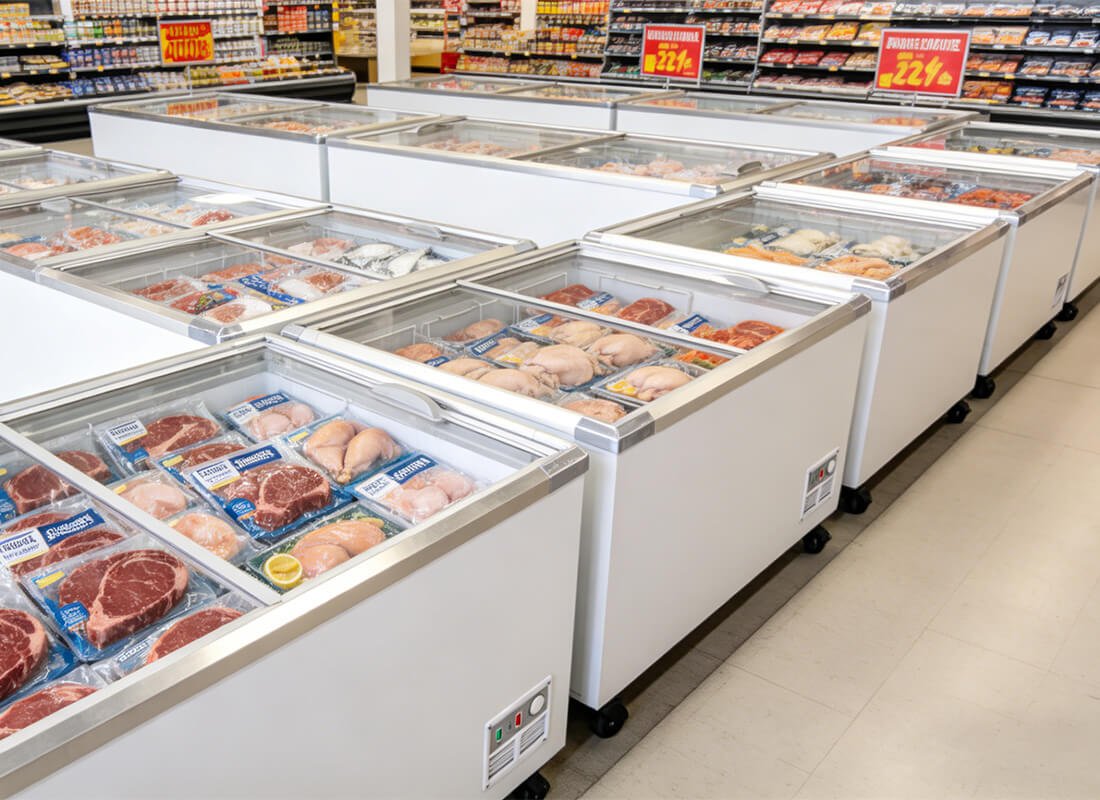
For supermarkets, convenience stores, cafés, bakeries, delis, and food-to-go retailers, a grab and go cooler is more than a refrigerated display. It is a sales engine. The right unit can increase product visibility, support faster replenishment, protect food quality, and encourage impulse purchases throughout the day.
But choosing the best display fridge for ready meals is not just about size or appearance. Retailers need to balance three commercial factors at the same time: conversion rate, restocking efficiency, and energy consumption.
This guide explains how to choose an open air merchandiser or multideck cooler based on depth, shelf layout, traffic flow, merchandising strategy, and long-term operating cost.
Why Grab-and-Go Refrigeration Matters in Modern Retail
Food-to-go demand has changed the way refrigerated products are displayed. Customers now expect ready meals, sandwiches, salads, bottled drinks, dairy products, desserts, and snacks to be easy to see, easy to reach, and easy to buy.
A well-planned grab and go cooler helps retailers:
- Increase impulse sales near checkout zones and high-traffic aisles
- Improve visibility for high-margin products
- Reduce customer decision time
- Maintain safe chilled storage temperatures
- Simplify daily restocking
- Present a clean, professional retail image
For wholesale buyers, chain operators, and store planners, the key question is not simply “Which cooler is the biggest?” The better question is:
Which refrigeration layout creates the highest sales per square foot while keeping labor and energy costs under control?
The Three-Part Buying Model: Conversion, Restocking, and Energy Use
When comparing open air merchandisers, multideck coolers, or display fridges for ready meals, retailers should evaluate each option through a simple three-part model.
1. Conversion Rate
Conversion rate refers to how effectively the cooler turns foot traffic into purchases. A strong grab-and-go display makes products visible, accessible, and appealing within seconds.
Key factors include:
- Product visibility from a distance
- Shelf height and eye-level placement
- Lighting quality
- Product facing and organization
- Ease of access
- Location in the customer journey
A cooler with excellent product visibility can outperform a larger unit that is poorly placed or difficult to shop.
2. Restocking Efficiency
Restocking efficiency affects labor cost, shelf availability, and product freshness. If a cooler is difficult to replenish, staff may take longer to refill it, products may run out during peak hours, and displays may become disorganized.
Important restocking considerations include:
- Shelf depth
- Adjustable shelving
- Rear access or front-loading design
- Product category grouping
- Packaging size compatibility
- Ease of cleaning
For high-volume stores, restocking speed is directly linked to sales continuity.
3. Energy Consumption
Energy use affects the total cost of ownership. Open air merchandisers are excellent for accessibility and impulse sales, but buyers should compare insulation, airflow design, night curtains, LED lighting, and refrigeration efficiency.
Energy-saving features may include:
- High-efficiency compressors
- Optimized air curtain systems
- LED lighting
- Night blinds or night curtains
- Digital temperature control
- Eco-friendly refrigerants
- Well-designed airflow channels
The best cooler is not always the cheapest upfront. A more efficient model can reduce operating costs over time.
Choosing the Right Cooler Depth
Cooler depth has a major impact on display capacity, aisle comfort, and product visibility.
Shallow Depth Coolers
Shallow open air merchandisers are ideal for small stores, cafés, bakeries, petrol stations, and compact retail spaces. They save floor space and help maintain smooth customer movement.
Best for:
- Narrow aisles
- Checkout areas
- Small-format stores
- Drinks, snacks, sandwiches, and desserts
- Impulse purchase zones
Advantages:
- Easier browsing
- Better traffic flow
- Lower space requirement
- Faster product reach
Potential limitation:
- Lower stock capacity compared with deeper units
Medium Depth Coolers
Medium-depth multideck coolers are the most flexible choice for many retail environments. They provide a good balance between capacity, visibility, and accessibility.
Best for:
- Convenience stores
- Delis
- Grocery stores
- Cafeterias
- Ready meal sections
- Beverage and snack displays
Advantages:
- Balanced shelf capacity
- Good product visibility
- Suitable for mixed categories
- Efficient for regular replenishment
Deep Display Coolers
Deep coolers provide more merchandising capacity and are suitable for stores with higher sales volume. However, they must be planned carefully to avoid blocking aisles or making rear products harder to reach.
Best for:
- Supermarkets
- Large convenience stores
- High-volume food-to-go areas
- Meal deal sections
- Multi-category chilled displays
Advantages:
- Higher stock holding capacity
- Better for peak-hour demand
- Fewer restocking cycles
- Suitable for bulkier packaging
Potential limitation:
- Requires more floor space and careful shelf organization
Shelf Layout: How to Improve Visibility and Sales
Shelf layout is one of the most important factors in grab-and-go refrigeration performance. A good shelf plan helps customers understand the offer quickly and encourages higher-value purchases.
Place High-Margin Products at Eye Level
Eye-level shelves should be used for products with strong margins or high conversion potential, such as premium ready meals, fresh juices, salads, desserts, and meal deal combinations.
Use Lower Shelves for Heavier Items
Lower shelves are better for bottled drinks, family-size packs, larger meal trays, and heavier products. This improves safety and makes restocking easier.
Group Products by Buying Occasion
Instead of arranging products only by category, consider grouping them by customer mission.
Examples include:
- Breakfast to go
- Lunch meal deals
- Healthy snacks
- Ready meals
- Cold drinks
- Desserts
- Kids’ lunch options
This makes the buying decision faster and can increase basket size.
Keep Shelf Depth Compatible with Packaging
A multideck cooler shelf depth should match the packaging format. If shelves are too deep, products may disappear toward the back. If shelves are too shallow, stock capacity may be limited.
For ready meals, salads, and sandwiches, adjustable shelving is especially valuable because packaging sizes often vary between suppliers.
Traffic Flow: Where to Place a Grab-and-Go Cooler
The location of a grab and go cooler can significantly affect sales. Even the best refrigeration unit will underperform if it is placed in a low-traffic or poorly lit area.
High-Traffic Entry Zones
Placing a cooler near the entrance can capture customers immediately, especially for drinks, sandwiches, snacks, and quick lunch options. However, the display must not block the entry path.
Checkout and Queue Areas
Checkout zones are ideal for impulse sales refrigeration. Small grab-and-go displays near waiting lines can encourage last-minute purchases such as drinks, desserts, and chilled snacks.
Food-to-Go Sections
For stores with dedicated meal areas, open air merchandisers should be positioned to support fast product selection. Customers should be able to browse, pick up the product, and continue moving without congestion.
Cross-Merchandising Areas
A display fridge for ready meals can perform well near bakery, coffee, salad bar, or hot food sections. This encourages customers to build a complete meal.
Open Air Merchandiser vs Glass Door Cooler
Both open air merchandisers and glass door coolers have advantages. The right choice depends on store layout, product type, traffic volume, and energy strategy.
Open Air Merchandiser
An open air merchandiser is ideal for impulse sales because customers can access products quickly without opening a door.
Best for:
- Ready meals
- Sandwiches
- Salads
- Drinks
- Desserts
- High-turnover chilled products
Advantages:
- Fast product access
- Strong impulse purchase potential
- Excellent visibility
- Smooth customer experience
Considerations:
- Energy efficiency depends heavily on airflow design, night curtains, and store environment
Glass Door Cooler
Glass door coolers are often more energy-efficient and can be suitable for lower-traffic areas or products that do not require instant access.
Best for:
- Beverages
- Dairy
- Packaged chilled goods
- Back wall displays
- Stores prioritizing energy control
Advantages:
- Better temperature retention
- Lower cold air loss
- Clear product visibility
- Suitable for longer holding periods
Considerations:
- Doors can slow down customer interaction and reduce impulse behavior in some locations
Best Display Fridge for Ready Meals
The best display fridge for ready meals should combine strong visibility, stable refrigeration, flexible shelving, and easy replenishment.
When buying a ready meal display cooler, look for:
- Adjustable shelves for different tray sizes
- Bright LED lighting
- Stable temperature control
- Easy-to-clean interior surfaces
- Strong front product visibility
- Adequate shelf depth for meal trays
- Reliable airflow across all levels
- Night curtain for after-hours energy saving
- Durable construction for commercial use
Ready meals are often high-value products, so presentation matters. Clear product facing, clean lighting, and organized shelf zoning can directly influence customer trust and purchase decisions.
How to Calculate ROI Before Buying
Wholesale buyers and retail operators should compare refrigeration options based on total business value, not just purchase price.
A practical ROI model includes:
Sales Impact
Estimate how the cooler may increase:
- Impulse purchases
- Ready meal sales
- Beverage sales
- Meal deal conversion
- Average basket value
Labor Impact
Consider how the cooler affects:
- Restocking time
- Cleaning time
- Product rotation
- Out-of-stock frequency
- Staff workflow
Energy Impact
Compare:
- Daily power consumption
- Compressor efficiency
- Air curtain performance
- LED lighting
- Night curtain availability
- Long-term operating cost
A lower-cost cooler may become expensive if it requires frequent restocking, consumes more energy, or fails to convert traffic into sales.
Practical Buying Checklist
Before choosing a grab and go cooler, review the following points:
- What products will be displayed?
- What packaging sizes must the shelves support?
- How much floor space is available?
- Is the location high traffic or low traffic?
- Does the store need open access for impulse sales?
- How often will staff restock the unit?
- Is energy efficiency a priority?
- Are night curtains required?
- Does the cooler support adjustable shelving?
- Is the design suitable for the store’s brand image?
This checklist helps buyers avoid choosing a cooler based only on price or capacity.
Common Mistakes to Avoid
Choosing Maximum Capacity Without Considering Traffic
A deep cooler may hold more stock, but it can reduce aisle comfort if the store layout is narrow. Poor traffic flow can lower sales.
Ignoring Shelf Adjustability
Fixed shelves limit merchandising flexibility. Adjustable shelves make it easier to display ready meals, drinks, snacks, desserts, and seasonal products.
Placing Low-Margin Products at Eye Level
Eye-level space is valuable. Use it for high-margin or high-conversion products.
Overlooking Energy Features
Energy-saving features can reduce operating costs over the life of the cooler. Buyers should compare long-term performance, not only upfront price.
Poor Product Rotation
Grab-and-go refrigeration should support first-in, first-out stock rotation. This is especially important for ready meals and short shelf-life chilled products.
Final Thoughts
A successful grab and go cooler should do more than keep food cold. It should help retailers sell faster, restock smarter, and operate more efficiently.
For wholesale buyers, the best open air merchandiser buying decision comes from balancing conversion rate, restocking efficiency, and energy consumption. Depth determines capacity and traffic flow. Shelf layout determines visibility and buying behavior. Refrigeration efficiency determines long-term operating cost.
When these factors work together, grab-and-go refrigeration becomes a powerful tool for increasing impulse sales, improving chilled food presentation, and maximizing retail space productivity.
FAQ
What is a grab and go cooler?
A grab and go cooler is a commercial refrigerated display designed for quick-access chilled products such as ready meals, sandwiches, salads, drinks, desserts, and snacks. It is commonly used in convenience stores, supermarkets, cafés, delis, and food-to-go retail areas.
What is the best cooler depth for ready meals?
The best depth depends on store size, product packaging, and traffic flow. Shallow coolers are suitable for compact spaces and impulse zones, while medium-depth and deep multideck coolers provide more capacity for high-volume ready meal displays.
Is an open air merchandiser good for impulse sales?
Yes. An open air merchandiser is highly effective for impulse sales because customers can see and pick up products quickly without opening a door. This makes it ideal for drinks, sandwiches, salads, snacks, and ready-to-eat meals.
How does shelf layout affect sales?
Shelf layout affects visibility, accessibility, and buying speed. Placing high-margin products at eye level, grouping products by meal occasion, and keeping shelves well-stocked can improve conversion and increase average basket value.
Are glass door coolers more energy efficient than open air coolers?
Glass door coolers usually retain cold air more effectively, but modern open air merchandisers can improve energy performance with efficient airflow systems, LED lighting, digital controls, and night curtains. The right choice depends on sales strategy and store layout.
What features should I look for in a multideck cooler?
Important features include adjustable shelves, stable temperature control, LED lighting, efficient airflow, easy-clean surfaces, durable commercial construction, strong product visibility, and energy-saving options such as night curtains.
Where should a grab and go cooler be placed?
A grab and go cooler should be placed in high-traffic areas such as store entrances, food-to-go sections, checkout zones, or near complementary categories like coffee, bakery, or hot food. The location should encourage quick purchases without blocking customer movement.
How can retailers reduce restocking time?
Retailers can reduce restocking time by choosing coolers with practical shelf depth, adjustable shelving, clear product zoning, easy front access, and layouts that support fast product rotation. Efficient restocking helps prevent empty shelves during peak hours.
What products sell best in grab-and-go refrigeration?
Popular products include bottled drinks, sandwiches, salads, ready meals, fruit cups, yogurts, desserts, snacks, and meal deal combinations. Product selection should match the store’s customer traffic and buying occasions.
How should wholesale buyers compare refrigeration options?
Wholesale buyers should compare purchase price, display capacity, shelf flexibility, energy performance, restocking efficiency, product visibility, durability, and expected sales impact. The best cooler delivers strong long-term value, not just a low upfront cost.