Ready meals are no longer a convenience add-on. For supermarkets, convenience stores, petrol stations, campus shops, bakeries, and foodservice retailers, chilled ready-to-eat meals have become a high-frequency, high-margin category that depends heavily on speed, visibility, and smart refrigeration.
The right ready meal merchandiser does more than keep food cold. It helps products sell faster, supports frequent replenishment, improves shelf density, and creates an easy grab-and-go shopping experience. For wholesale buyers and retail operators, choosing the best refrigeration setup can directly influence category growth, impulse purchases, and daily turnover.
This guide explains how to select and arrange a refrigeration solution for ready meals, with a focus on open multideck chillers, grab-and-go coolers, shelf layout, and merchandising density.
Why Refrigeration Setup Matters for Ready Meals
Ready meals are often bought quickly and emotionally. A customer may enter the store for a drink, sandwich, or snack and leave with a chilled pasta bowl, salad, rice box, wrap, or microwave meal simply because it was visible, attractive, and easy to pick up.
That is why refrigeration for this category must support three goals:
First, it must maintain safe and consistent chilled storage. Ready meals are temperature-sensitive and often contain cooked ingredients, sauces, dairy, protein, or fresh vegetables.
Second, it must present products clearly. Customers should be able to understand meal type, portion size, price, and freshness at a glance.
Third, it must allow fast replenishment. Ready meals sell in waves during breakfast, lunch, after-work, and evening meal occasions. A poor refrigeration layout creates gaps, slows restocking, and reduces sales opportunities.
A well-designed ready meal merchandiser solves all three.
Open Multideck Chiller vs. Glass Door Cooler: Which Works Best?
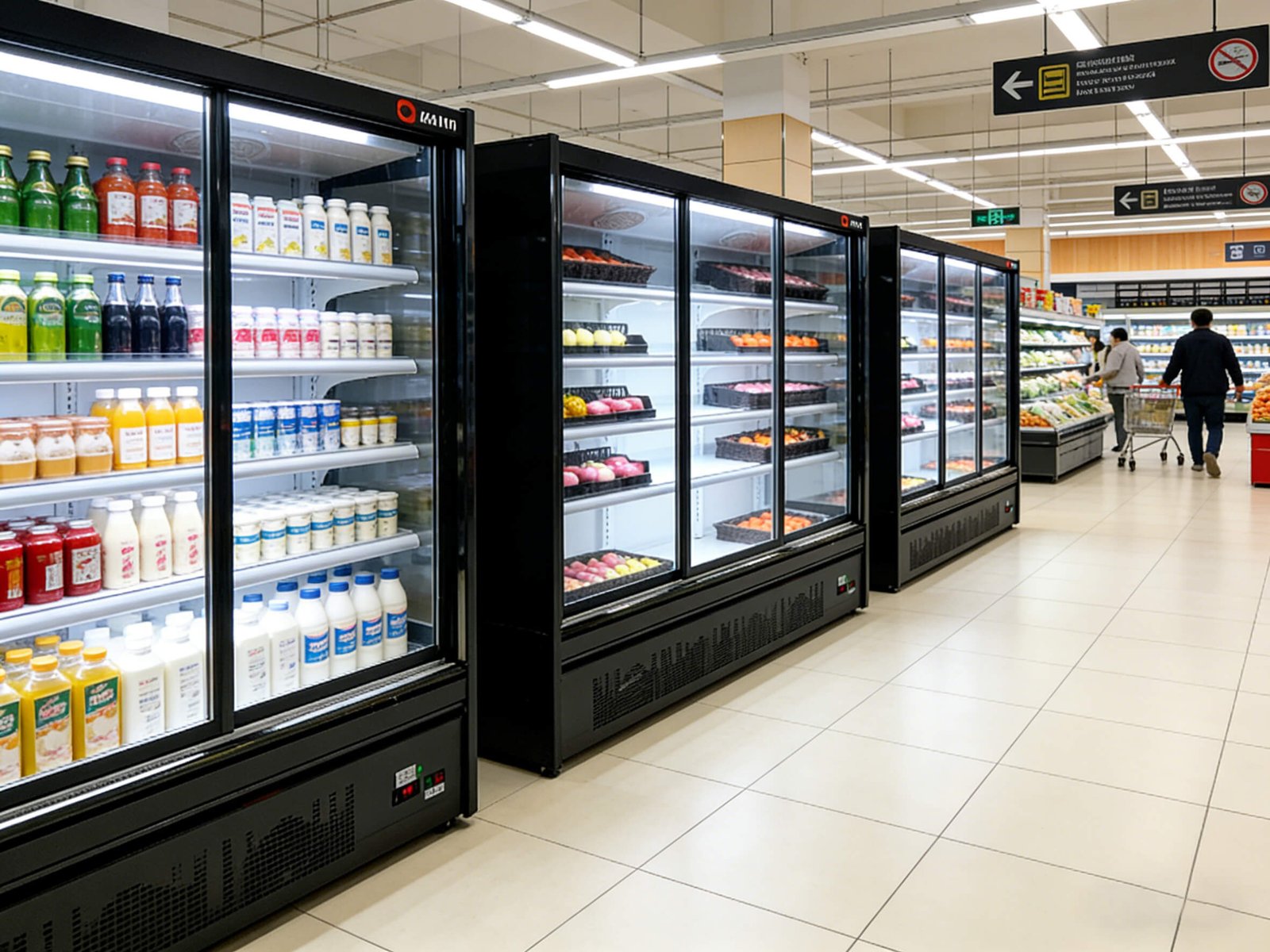
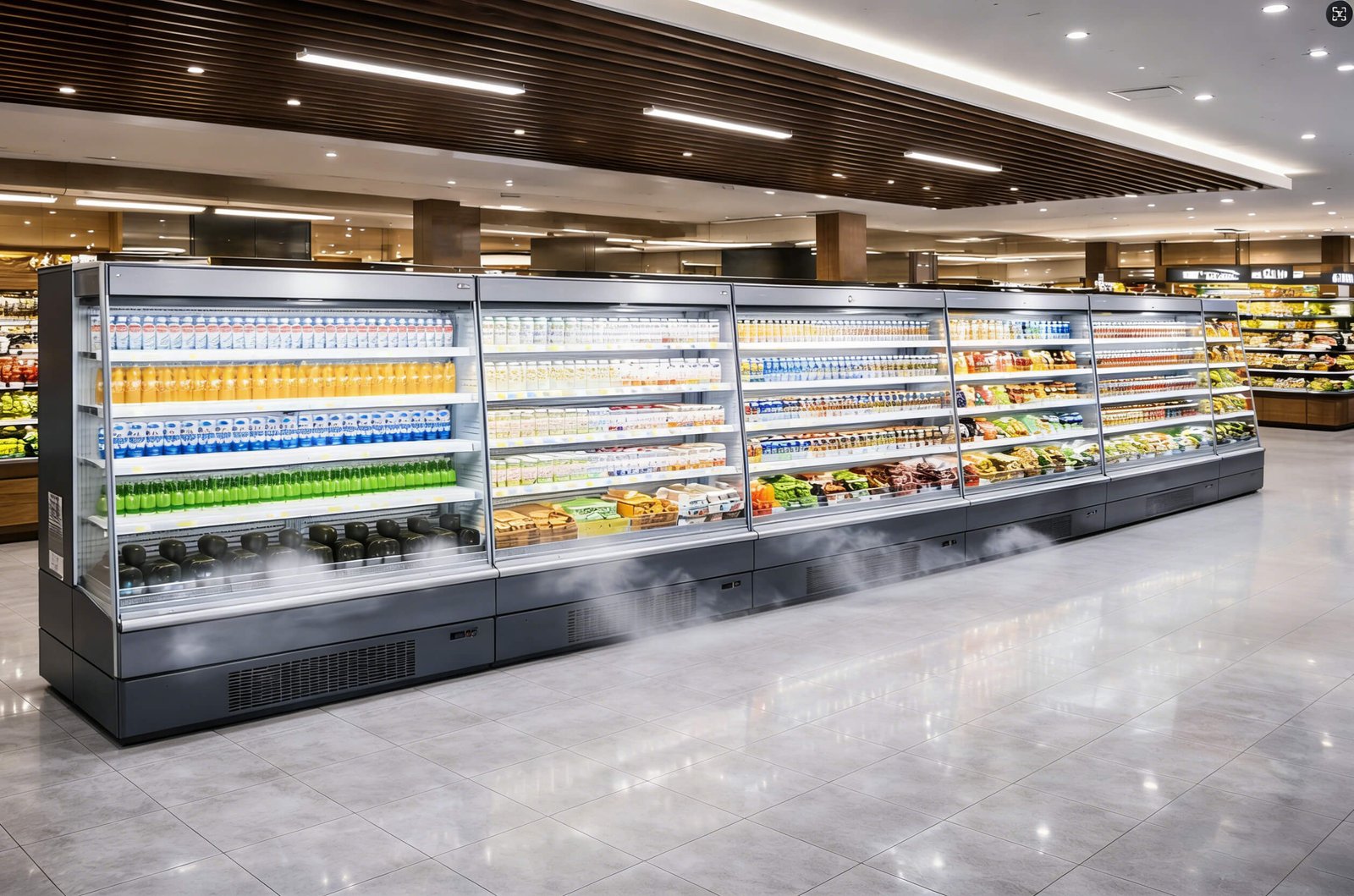
For high-traffic grab-and-go areas, an open multideck chiller is often the strongest option. Its open-front design allows shoppers to pick products quickly without opening a door. This reduces friction and encourages impulse purchase behavior.
Open multideck chillers are especially effective for:
Chilled ready meals
Sandwiches and wraps
Salads and protein bowls
Sushi packs
Fresh pasta and noodles
Desserts and fruit cups
Meal deals and lunch combinations
A glass door grab and go cooler may be better for lower-traffic locations, energy-saving priorities, or overnight operation. However, for retailers that want maximum product access and faster shopping flow, open multideck refrigeration usually delivers stronger merchandising impact.
For wholesale buyers serving convenience stores, supermarkets, and food-to-go operators, both formats can be valuable. The best choice depends on store size, traffic level, product mix, and energy strategy.
The Best Ready Meal Merchandiser Setup for Category Growth
A strong ready meal display starts with the correct chiller format, but the real sales impact comes from how the space is planned.
1. Use Eye-Level Shelves for Best-Selling Meals
The most profitable and fastest-moving ready meals should be placed between waist and eye level. This is where shoppers naturally look first.
Best-sellers such as chicken rice bowls, pasta meals, salads, wraps, and microwaveable lunch boxes should not be hidden on the bottom shelf. They should be placed in the most visible zone to increase conversion.
Lower shelves can be used for larger family-size meals, value packs, or slower-moving products. Top shelves are suitable for lighter items such as fruit cups, desserts, yogurt pots, or small side dishes.
2. Group Products by Meal Occasion
A good shelf layout for ready meals should make the buying decision simple. Instead of mixing all products randomly, organize the chiller by occasion.
For example:
Breakfast: yogurt, fruit, breakfast pots, overnight oats
Lunch: salads, sandwiches, wraps, pasta bowls, sushi
Dinner: microwave meals, rice boxes, protein meals
Add-ons: drinks, desserts, snacks, sauces
This structure makes it easier for shoppers to build a complete meal and increases basket size.
3. Create High-Density Displays Without Clutter
Ready meals require high display density because they are often replenished multiple times per day. However, density should never become visual clutter.
Retailers should use consistent facing, clear product blocking, and enough spacing for customers to identify each item. The goal is to make the chiller look full, fresh, and abundant without making it hard to shop.
A wholesale-ready ready meal merchandiser should offer adjustable shelves, strong LED lighting, and flexible deck spacing so operators can display different pack sizes efficiently.
4. Support Frequent Replenishment
High-frequency replenishment is a key part of ready meal merchandising. Products move quickly during peak hours, so the refrigeration unit should make restocking fast and simple.
Features that support frequent replenishment include:
Adjustable shelving
Easy front loading
Strong shelf weight capacity
Bright internal lighting
Clear product visibility
Reliable air curtain performance
Easy-clean interior surfaces
For retailers, fast replenishment means fewer empty gaps. For wholesalers, it means offering refrigeration equipment that supports real store operations, not just attractive showroom displays.
5. Place Impulse Products Near the Decision Zone
Impulse purchase refrigeration works best when the product is visible before the shopper reaches checkout. A grab-and-go cooler positioned near the entrance, food-to-go area, bakery, beverage section, or checkout route can increase spontaneous purchases.
Ready meals should also be displayed near complementary items. For example, chilled pasta can be placed near bottled drinks, salads near protein snacks, and sandwiches near meal deal beverages.
This creates a complete grab-and-go solution rather than a single-product display.
Key Features to Look for in a Ready Meal Merchandiser
For wholesale buyers, equipment selection should balance sales performance, durability, and operating cost. A professional ready meal merchandiser should include features that support both visual impact and daily use.
Important features include:
Open multideck design for quick customer access and strong product visibility.
Adjustable shelves to handle different ready meal pack heights and seasonal ranges.
LED lighting to make chilled food look fresh, bright, and appetizing.
Efficient air curtain system to maintain stable temperature across multiple shelves.
Night curtain option to help reduce energy use during closed hours.
Durable construction for high-traffic retail environments.
Flexible length options for small stores, supermarkets, and food-to-go zones.
Easy cleaning access to support hygiene and daily maintenance.
For businesses buying in bulk, these features help ensure that the refrigeration unit performs consistently across multiple store formats.
How Shelf Layout Influences Ready Meal Sales
Shelf layout is one of the most overlooked drivers of chilled food sales. A poor layout can make even premium ready meals look confusing or unattractive.
A strong ready meal shelf plan should follow a simple rule: make the customer’s decision easier.
Use vertical blocking for product families, such as salads in one section and pasta meals in another. Use horizontal blocking for price tiers, flavors, or meal sizes. Keep best-sellers in the center and maintain enough facings to avoid selling out during peak periods.
Retailers should also consider packaging color, label visibility, and product height. Similar packaging placed together creates a cleaner look, while mixed shapes and sizes may require adjustable shelves to avoid wasted space.
The better the chiller layout, the faster customers can choose. Faster choice often means higher conversion.
Ready Meals and the Power of Impulse Purchase Refrigeration
Ready meals are ideal for impulse purchase refrigeration because they solve an immediate need. Customers are often looking for something quick, fresh, and satisfying.
To increase impulse sales, the display should communicate three things quickly:
Freshness
Convenience
Value
Clear pricing, attractive lighting, and strong product facing are essential. Meal deal signage can also help customers make faster decisions, especially in lunch and commuter locations.
For grab-and-go retailers, impulse sales are not accidental. They are created by combining product placement, refrigeration visibility, shelf layout, and replenishment discipline.
Recommended Refrigeration Setup by Store Type
Different retail formats need different ready meal merchandising strategies.
Convenience Stores
Convenience stores benefit from compact open multideck chillers placed near drinks, bakery items, or checkout routes. The focus should be fast access, high visibility, and frequent replenishment.
Supermarkets
Supermarkets can use longer multideck chillers to create a dedicated ready meal zone. Products can be grouped by cuisine, meal occasion, price tier, or dietary preference.
Petrol Stations
Petrol stations need high-impact grab-and-go coolers with simple navigation. Best-selling sandwiches, wraps, salads, and microwave meals should be placed in the most visible shelves.
Cafés and Bakeries
Cafés and bakeries can use ready meal merchandisers to expand beyond drinks and baked goods. Chilled salads, desserts, sandwiches, and lunch boxes can increase average transaction value.
Campus and Office Retail
For universities, offices, and canteens, ready meals should be displayed in high-density chillers that support peak-time traffic. Lunch and afternoon replenishment are especially important.
Wholesale Buying Tips for Ready Meal Merchandisers
When sourcing refrigeration equipment for wholesale or multi-store projects, buyers should consider more than unit price.
The best supplier should offer:
Multiple model sizes
Bulk order capability
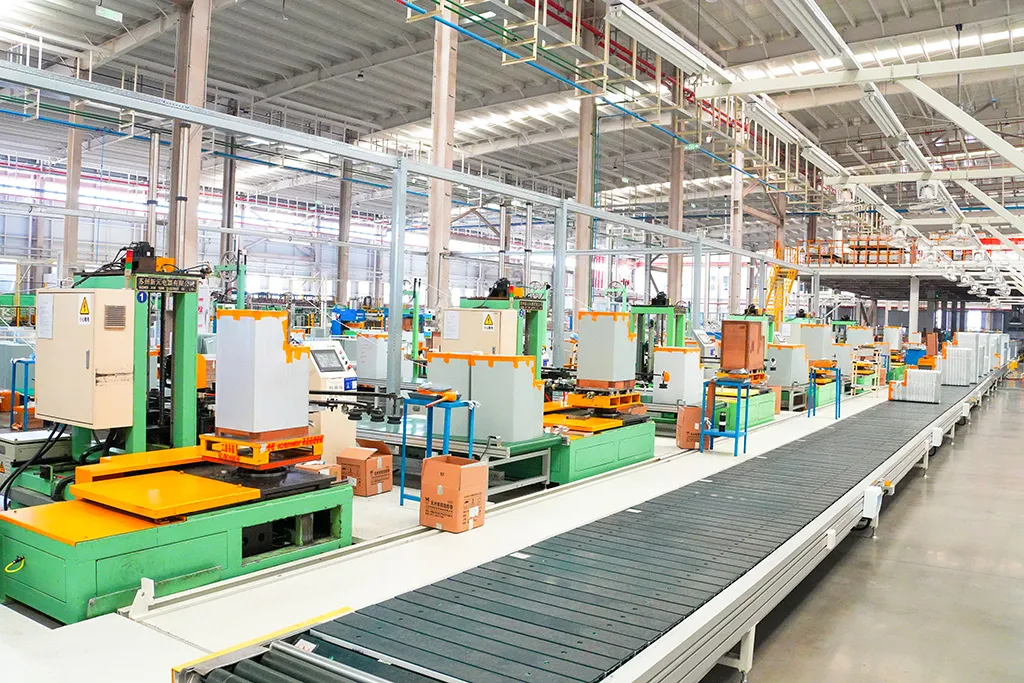
Stable production capacity
Custom branding options
Reliable packaging for export
Technical documentation
After-sales support
Energy-efficient product options
For wholesalers and distributors, choosing the right refrigeration partner helps reduce project risk and improve long-term customer satisfaction.
A ready meal merchandiser is not just a cooler. It is a sales tool, a replenishment platform, and a category growth driver.
Final Thoughts
The best refrigeration setup for grab-and-go ready meals combines visibility, access, density, and operational efficiency. An open multideck chiller is often the preferred choice for high-traffic retail environments because it allows shoppers to browse and buy quickly.
However, equipment alone is not enough. Retailers also need a smart shelf layout, strong product grouping, high display density, and fast replenishment routines.
For wholesale buyers, investing in the right ready meal merchandiser can help customers increase chilled food sales, improve impulse purchases, and build a stronger ready-to-eat category.
When ready meals are displayed clearly, kept fresh, and positioned for convenience, the chiller becomes more than refrigeration. It becomes a powerful engine for grab-and-go growth.
FAQ
What is a ready meal merchandiser?
A ready meal merchandiser is a refrigerated display unit designed to store and present chilled ready-to-eat meals. It is commonly used in supermarkets, convenience stores, petrol stations, cafés, and food-to-go retail areas.
What type of cooler is best for grab-and-go ready meals?
An open multideck chiller is often the best choice for high-traffic grab-and-go areas because it provides easy access, strong product visibility, and faster shopping flow. Glass door coolers may be suitable for lower-traffic stores or energy-saving applications.
How should ready meals be arranged in a chiller?
Ready meals should be arranged by meal occasion, product type, and sales priority. Best-selling products should be placed at eye level, while larger packs or slower-moving items can be placed on lower shelves.
Why is shelf layout important for ready meal sales?
Shelf layout affects how quickly customers understand the product range and make a purchase decision. A clear layout improves visibility, reduces confusion, and can increase impulse purchases.
How can retailers increase impulse purchases with refrigeration?
Retailers can increase impulse purchases by placing grab-and-go coolers in high-traffic areas, using bright LED lighting, keeping displays full, grouping complementary products together, and making prices easy to see.
What features should wholesalers look for in a ready meal merchandiser?
Wholesalers should look for adjustable shelves, strong refrigeration performance, LED lighting, durable construction, easy-clean interiors, flexible sizes, energy-saving options, and reliable supplier support.
Are open multideck chillers suitable for frequent replenishment?
Yes. Open multideck chillers are well suited for frequent replenishment because staff can restock products quickly from the front, helping maintain a full and attractive display during peak sales periods.
Can a ready meal merchandiser be used for other chilled products?
Yes. In addition to ready meals, it can display sandwiches, salads, wraps, sushi, desserts, fruit cups, drinks, dairy products, and other chilled grab-and-go items.