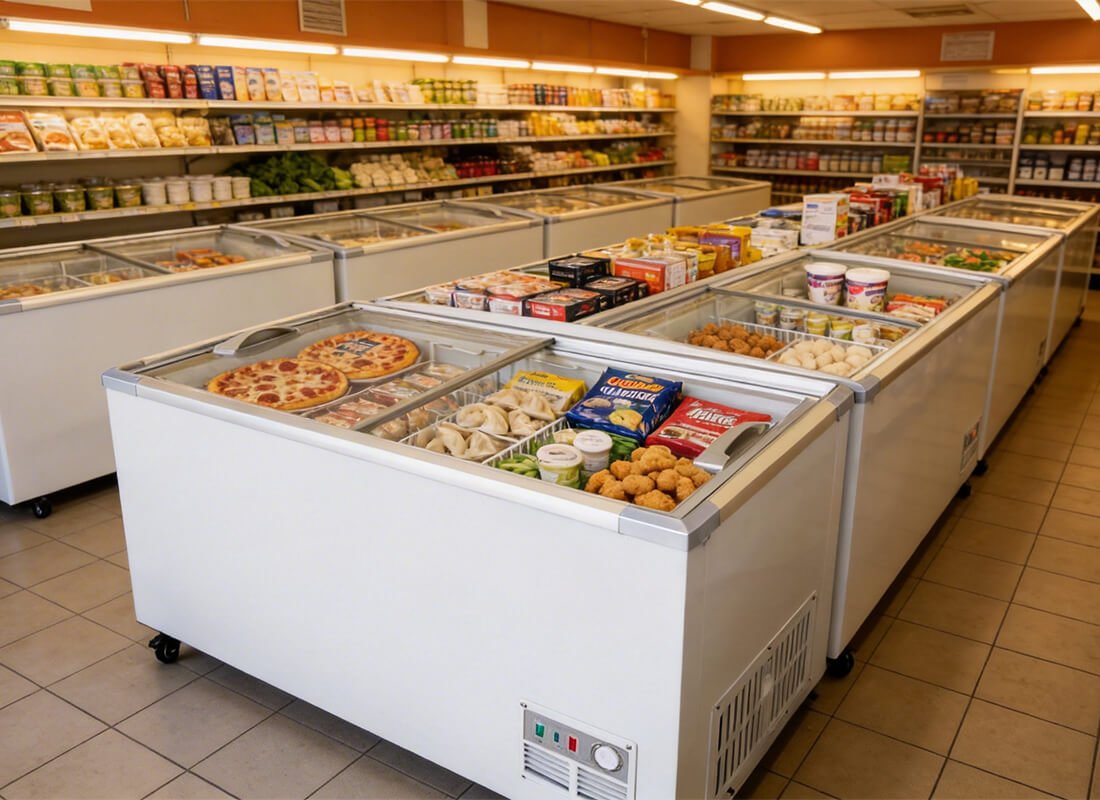
Importing commercial refrigeration equipment can be a lucrative business, but calculating the true cost requires more than just the purchase price. Understanding the landed cost—the total cost of getting a product to your warehouse—is critical for wholesalers who want to optimize ROI. This guide walks you through freight cost modeling for refrigeration imports, including shipping, duties, and container strategies.
What Is Landed Cost for Commercial Refrigerators?
Landed cost refers to the complete cost of importing a product, including:
- Product purchase price
- Shipping and freight charges
- Import duties and taxes
- Insurance
- Customs clearance fees
For commercial refrigerators, these costs can vary significantly based on the origin country, container type, and shipping terms (DDP vs CIF). Accurate landed cost calculation ensures you price your products correctly and avoid hidden losses.
Shipping Cost Models for Refrigeration Equipment
Freight cost modeling allows importers to estimate shipping expenses before placing orders. Key components include:
- Container Selection:
Optimize container usage by calculating cubic meters and pallet configurations to reduce per-unit shipping costs. - Mode of Transport:
Ocean freight is most common for bulk refrigeration equipment, but air freight may be necessary for urgent orders. - Fuel Surcharges and Terminal Fees:
Include fluctuating fuel charges, port handling, and local trucking to avoid cost surprises. - Insurance:
Protect your high-value equipment against damage or loss during transit.
By modeling these variables, wholesalers can forecast total shipping costs more precisely.
Import Duties and Taxes
Import duties for refrigeration equipment vary by country and product classification. To estimate total landed cost:
- Identify the Harmonized System (HS) code for your refrigerator
- Check the applicable import duty rate
- Add Value Added Tax (VAT) or Goods and Services Tax (GST)
- Include any additional customs fees
Knowing these costs upfront ensures compliance and prevents unexpected charges at the port of entry.
Container Optimization Tips
Maximizing container efficiency reduces shipping cost per unit. Consider:
- Using standard 20ft or 40ft containers efficiently
- Pallet stacking optimization
- Choosing full container load (FCL) over less-than-container load (LCL) when possible
Proper container optimization directly impacts your ROI by lowering shipping costs and minimizing handling risks.
DDP vs CIF for Refrigeration Imports
Choosing the right shipping terms can simplify landed cost calculations:
- CIF (Cost, Insurance, Freight): Seller pays until the port of destination. Buyer handles import duties and inland transport. Good for experienced importers.
- DDP (Delivered Duty Paid): Seller assumes all costs and risks until delivery to your warehouse. Ideal for wholesalers who want predictable costs and minimal customs hassle.
Selecting the right term depends on your business capacity to manage logistics and duties efficiently.
Integrating Landed Cost Into ROI
Incorporating freight and customs into ROI calculations is essential for accurate pricing and profitability. By understanding total landed cost, you can:
- Set competitive wholesale prices
- Forecast profit margins accurately
- Identify cost-saving opportunities in shipping or customs handling
This approach ensures your refrigeration imports remain profitable in a competitive market.
Frequently Asked Questions (FAQ)
What is the best way to calculate landed cost for commercial refrigerators?
Include the product cost, shipping, insurance, import duties, taxes, and customs fees. Using a detailed freight cost model and container optimization improves accuracy.
Should I choose DDP or CIF for importing refrigeration equipment?
DDP is easier if you want predictable total costs and minimal customs management. CIF is suitable if you can handle customs clearance and inland transport efficiently.
How can I reduce shipping costs for refrigeration imports?
Optimize container space, consolidate shipments, compare FCL vs LCL, and consider fuel surcharges when selecting carriers.
Do import duties vary by country?
Yes, duties depend on the HS code of the product and the country’s tariff regulations. Always check the local customs authority.
Can landed cost modeling improve ROI?
Absolutely. Knowing the full cost helps wholesalers price accurately, forecast profits, and make informed logistics decisions.