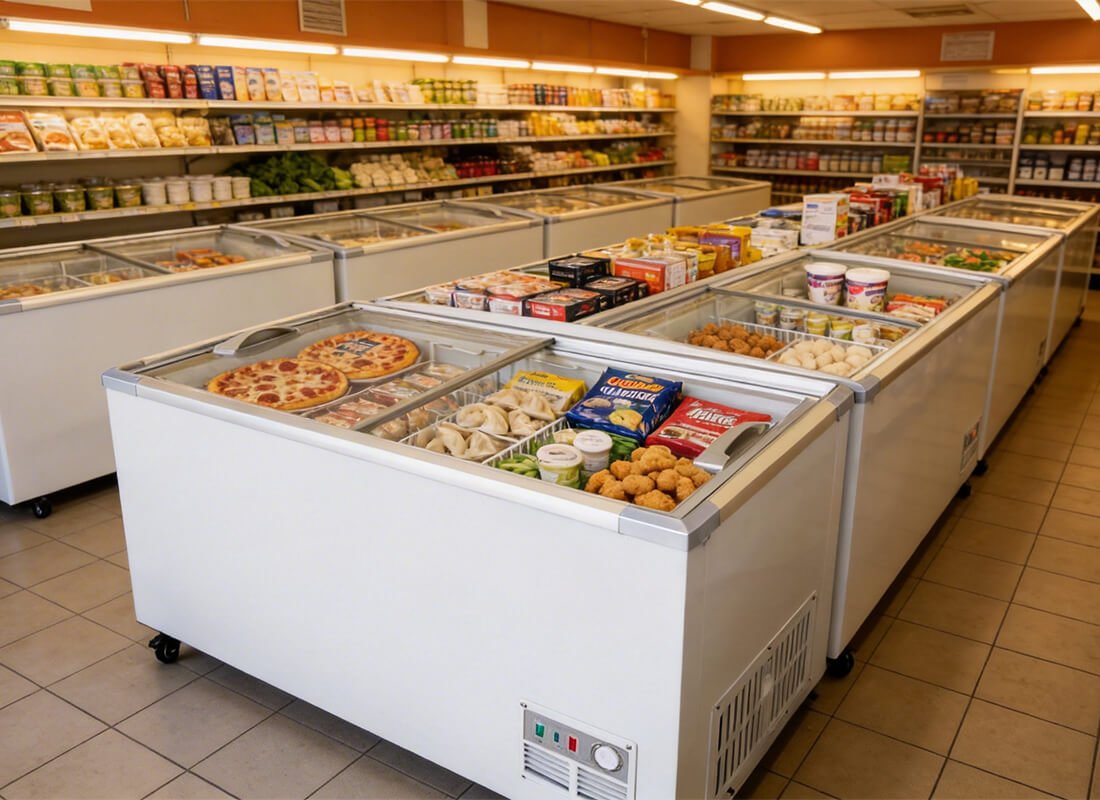
In the competitive world of retail merchandising, the allure of open merchandisers is undeniable. Shoppers are drawn to accessible, visually appealing products, making impulse sales a powerful revenue driver. Yet, this convenience comes at a cost—higher energy consumption. The question every retailer faces: how much extra must you sell to cover the added energy expense?
Understanding the Open Merchandiser Impulse Sales Model
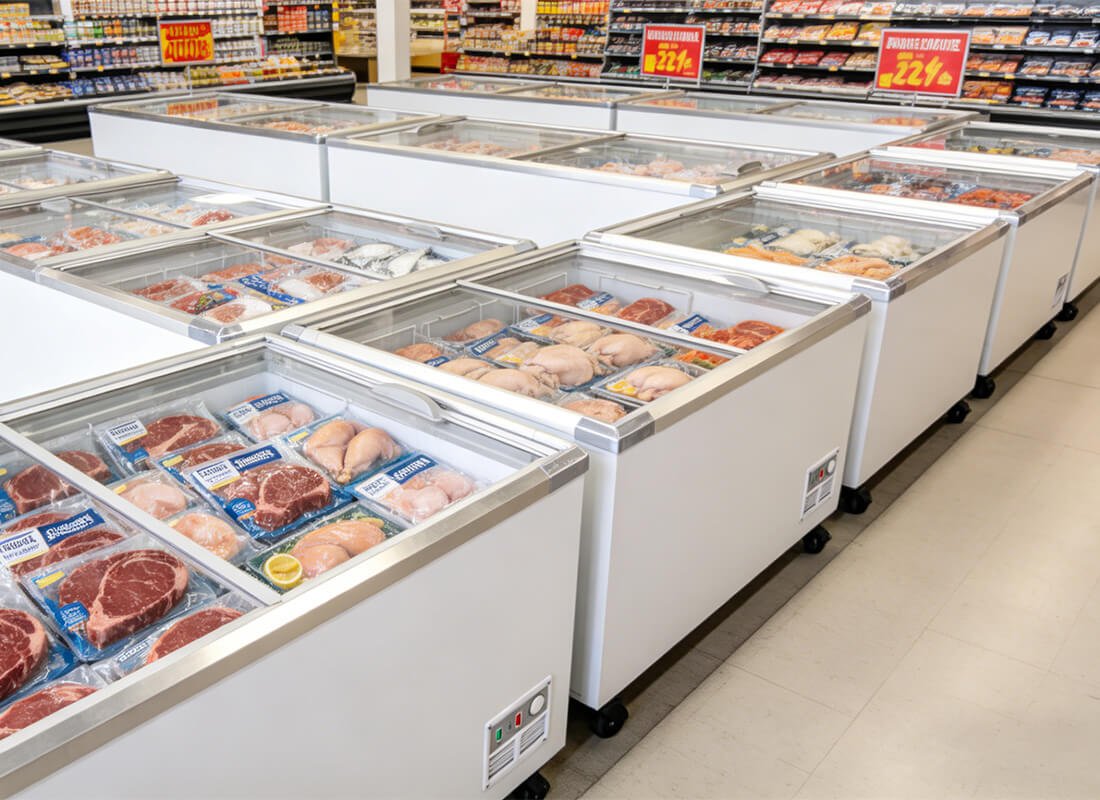
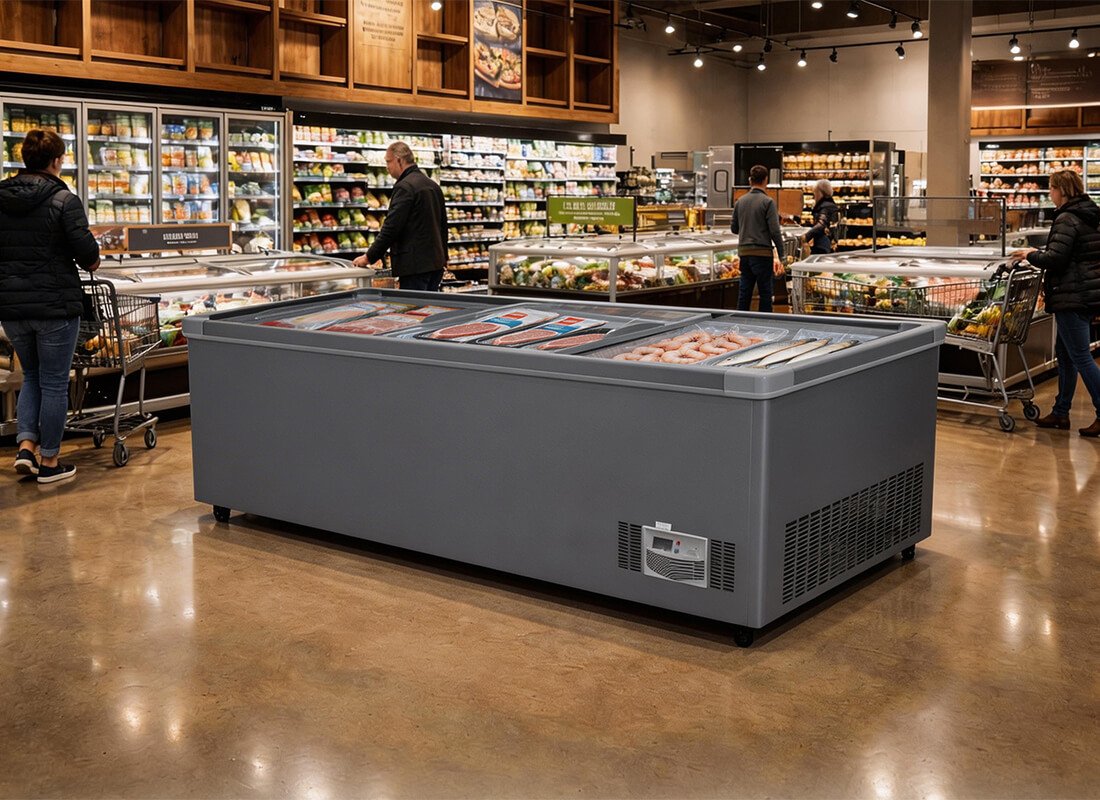
Open merchandisers, such as open refrigerated cases or chillers, remove physical barriers between shoppers and products. This accessibility increases conversion rates and basket size. Studies show that impulse sales can increase anywhere from 10% to 35% depending on store traffic, product type, and merchandising strategy.
However, an open case consumes more energy to maintain optimal temperatures. Unlike closed-door units, open chillers constantly fight ambient heat from the store, driving up electricity costs.
The Key Formula: Sales Lift vs Energy Cost
To quantify profitability, retailers use a simple model:
Net Profit Impact = Incremental Sales Revenue – Incremental Energy Cost
- Incremental Sales Revenue: Additional units sold due to the open case, multiplied by profit per unit.
- Incremental Energy Cost: Extra electricity required to keep the case at proper temperature.
Example Calculation:
- Incremental profit per unit: $1.50
- Energy cost per day for open chiller: $30
- Units needed to break even = $30 ÷ $1.50 = 20 units/day
This approach makes it crystal clear: only when impulse sales exceed the energy expense does the open case become profitable.
Energy-Saving Strategies: Night Curtains and More
Retailers can further optimize the ROI of open merchandisers through energy management techniques. A popular tactic is the night curtain, a retractable cover used when the store is closed. Night curtains significantly reduce energy consumption by insulating the case from ambient air. Other strategies include:
- LED lighting to reduce heat inside the chiller
- Smart thermostats for precise temperature control
- Regular maintenance to prevent efficiency losses
By combining sales lift calculations with energy-saving measures, retailers can maximize both profitability and sustainability.
Calculating Retail Merchandising ROI
ROI for open cases isn’t just about energy vs sales. Consider:
- Merchandise margin: High-margin products justify higher energy costs.
- Foot traffic patterns: Placement near entrances or checkout lines boosts impulse buys.
- Operational costs: Labor, restocking, and maintenance.
When you measure profit per square foot, open merchandisers often outperform closed cases despite higher energy use—provided the incremental sales outweigh the additional operating cost.
Conclusion
Open merchandisers are more than just eye-catching displays—they’re profit drivers. By applying a clear sales vs energy cost model and implementing energy-saving strategies like night curtains, retailers can ensure that the convenience they provide translates directly into the bottom line. Knowing how much extra to sell to cover the extra energy is the key to confident merchandising decisions.
FAQ
Are open chillers always more profitable than closed cases?
Not necessarily. Profitability depends on the balance between sales lift and energy costs. High-traffic locations and high-margin products are more likely to benefit.
How much extra energy do open cases consume?
Open chillers can use 20-50% more energy than closed cases, depending on size, ambient temperature, and usage patterns.
What are night curtains and do they really save energy?
Night curtains are retractable covers used when the store is closed. They can reduce energy consumption by up to 30% by limiting heat exchange.
How can I calculate the sales lift needed to cover energy costs?
Divide the daily incremental energy cost by the profit per unit sold. This tells you the minimum units required to break even.
Can lighting and thermostats affect open merchandiser profitability?
Yes. LED lighting and smart thermostats reduce heat load and energy use, improving the overall ROI of open cases.