Why This Matters (For B2B Buyers & Projects)
If you’re quoting supermarket projects, chain stores, or bulk procurement, electricity cost is often 30–50% of total lifecycle cost—not the purchase price.
Yet most buyers only see:
“Power: 850W”
That number alone is meaningless unless you convert it into annual operating cost ($/year).
This guide gives you a clear, repeatable calculation model you can use in:
- RFQs
- Client proposals
- ROI comparisons
- Energy-saving justification (e.g., night curtains, doors)
Step 1 — Understand the Spec Sheet
Typical refrigeration spec shows:
- Rated Power (W) → e.g., 800W
- Voltage / Frequency → irrelevant for cost
- Refrigerant / Climate class → irrelevant for cost
The only number you need for cost calculation is:
Power (Watts, W)
Step 2 — Convert Watts → kWh per Year
Electricity is billed in kilowatt-hours (kWh), not watts.
Core Conversion Logic:
Annual kWh=1000W×Hours per Day×365
Example:
- Power = 800W
- Running time = 20 hours/day (typical for open display)
Calculation:
- 800W ÷ 1000 = 0.8 kW
- 0.8 × 20 × 365 = 5,840 kWh/year
Critical Insight (Most People Get This Wrong)
Spec sheet power is NOT constant draw.
Real-world compressors cycle → actual usage depends on:
| Equipment Type | Typical Runtime Factor |
|---|---|
| Glass door freezer | 50–70% |
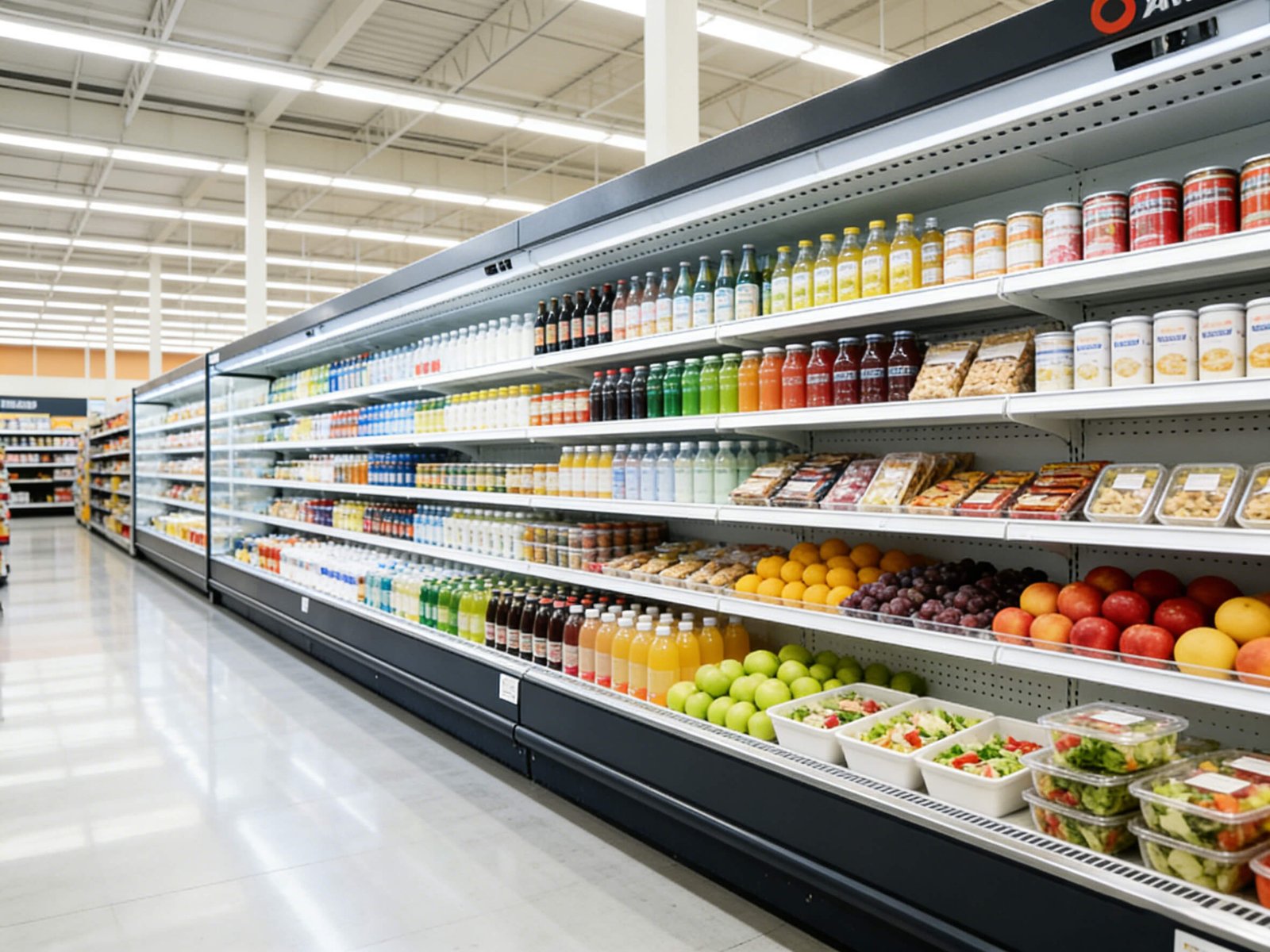
| Open multideck | 70–90% |
| Island freezer | 40–60% |
So better formula is:
Adjusted Hours = 24 × Load Factor
Step 3 — Convert kWh → Annual Electricity Cost ($)
Cost Formula:
Annual Cost=Annual kWh×Electricity Rate
Example (USA Market):
- Annual usage: 5,840 kWh
- Electricity rate: $0.12/kWh
Annual cost:
- 5,840 × 0.12 = $700.8/year
Step 4 — Quick Calculation Formula (Final Version)
Combine everything:
Annual Cost=1000W×24×365×Load Factor×Rate
Step 5 — Real B2B Scenario Example
Case: Supermarket Open Multideck
- Power: 1200W
- Load factor: 0.8
- Electricity rate: $0.15/kWh
Result:
- Annual kWh = 1.2 × 24 × 365 × 0.8 = 8,409 kWh
- Annual cost = 8,409 × 0.15 = $1,261/year
Multiply This at Scale
If client installs:
- 20 units
Total yearly electricity:
- $25,220/year
Over 5 years:
- $126,100
This is why energy-saving features sell projects—not just price.
Step 6 — Energy Cost Optimization Insights (High-Conversion Angle)
Use this section directly in your landing page or proposal.
1. Night Curtains / Doors
- Reduce runtime by 10–25%
- Payback: 2–4 years
2. ECM Fans
- Save 15–30% fan energy
3. Better Air Curtain Design
- Reduces cold air loss
- Improves temperature stability
4. LED Lighting
- Cuts internal heat load → compressor works less
Step 7 — Downloadable Template (Structure)
You can offer this as a lead magnet (very effective for B2B):
Excel Fields:
| Field | Input |
|---|---|
| Power (W) | User input |
| Load Factor (%) | Dropdown |
| Hours/Day | Auto (24 × factor) |
| kWh/year | Auto |
| Electricity Rate ($/kWh) | User input |
| Annual Cost ($) | Auto |
Add this CTA on page:
“Download Free Energy Cost Calculator for Commercial Refrigeration”
Step 8 — Common Mistakes to Avoid
Using 24h full load (overestimates cost)
Ignoring local electricity rates
Comparing machines without same load assumptions
Not including defrost cycles
Final Takeaway (For Sales & SEO)
When you explain cost like this, you shift from:
“Our freezer is $200 cheaper”
to:
“Our freezer saves $300/year in electricity”
That’s how you close bulk orders and long-term contracts.
FAQ (SEO Boost)
Q1: How do I estimate freezer electricity cost quickly?
Use: Power (kW) × 24 × 365 × load factor × electricity rate.
Q2: What is a typical electricity cost for commercial freezers?
Usually $500–$1,500 per year per unit, depending on size and usage.
Q3: Why is my calculated cost different from actual bills?
Because real consumption depends on ambient temperature, door openings, and maintenance.