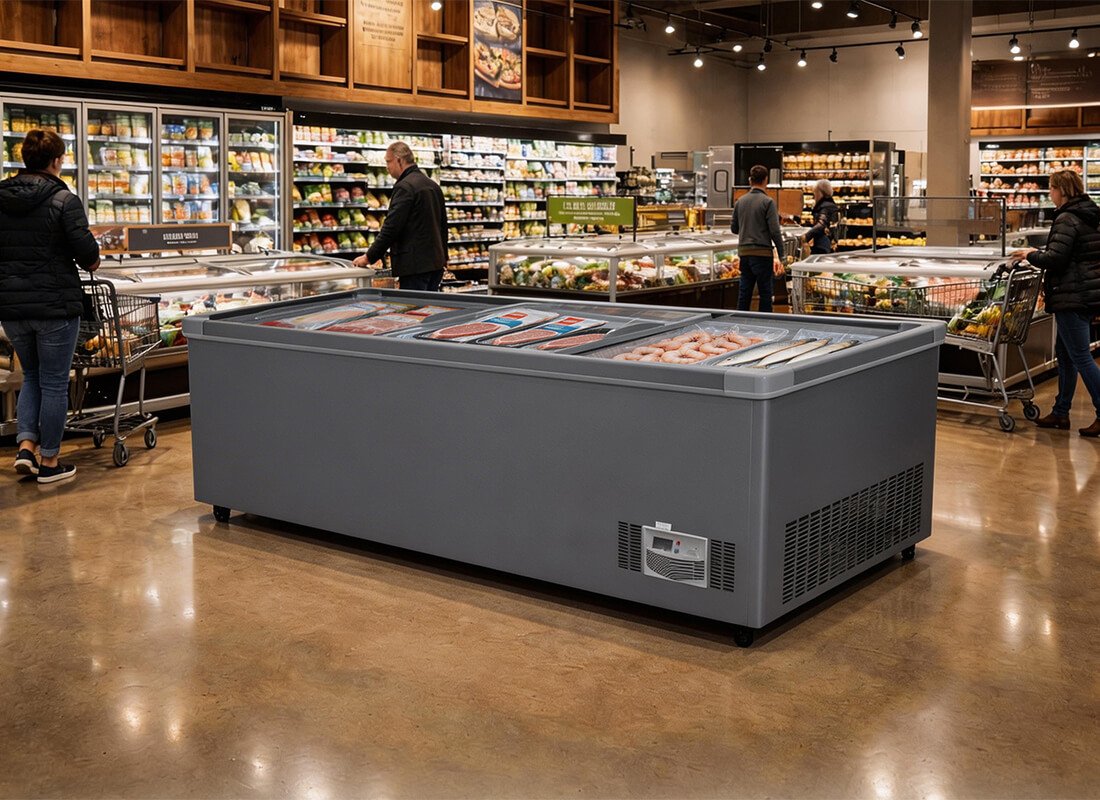
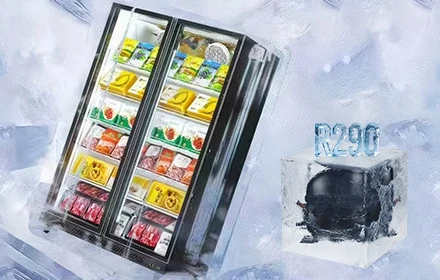
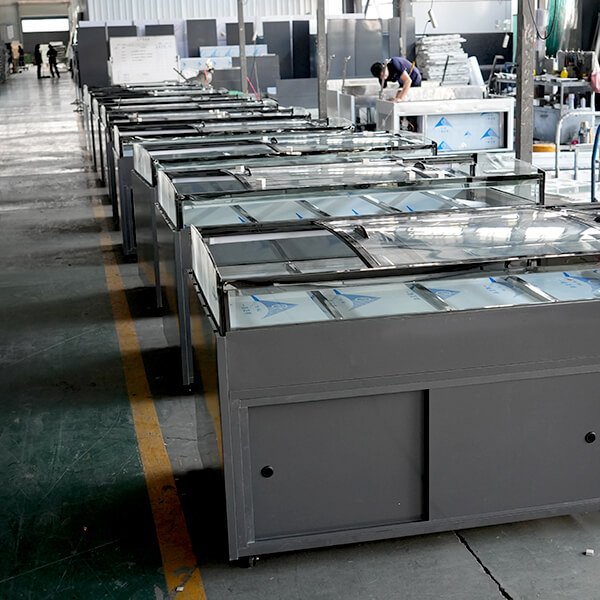
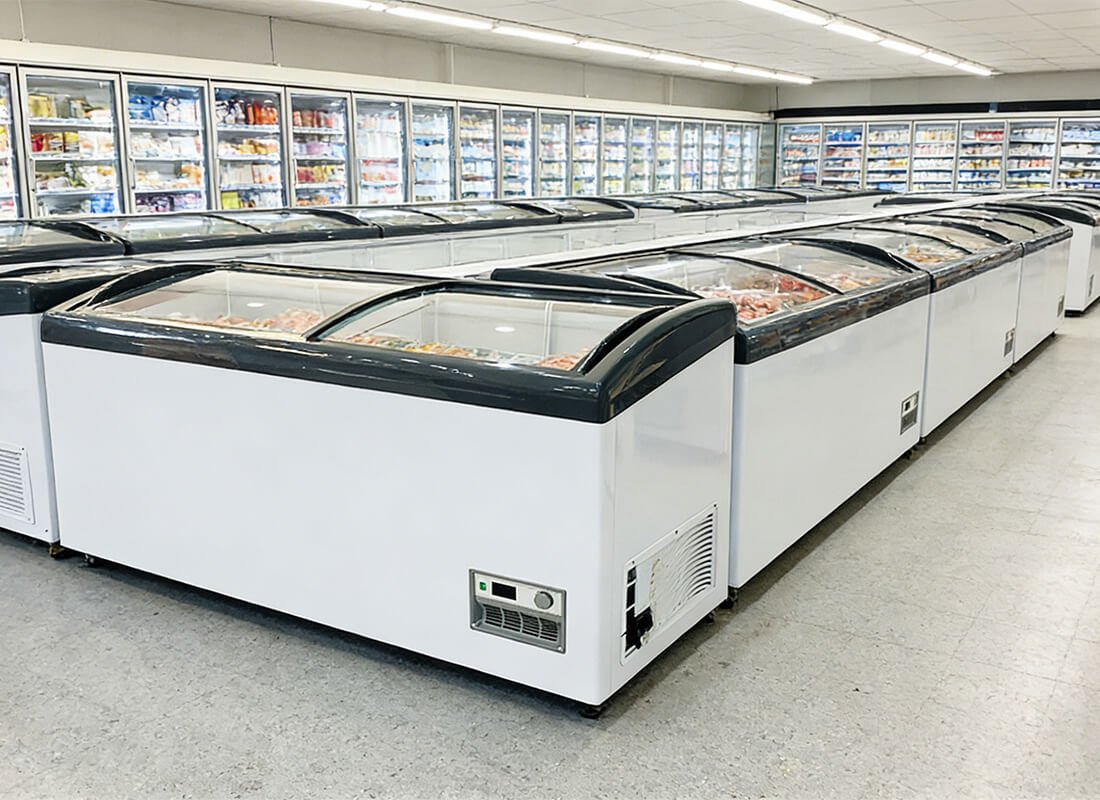
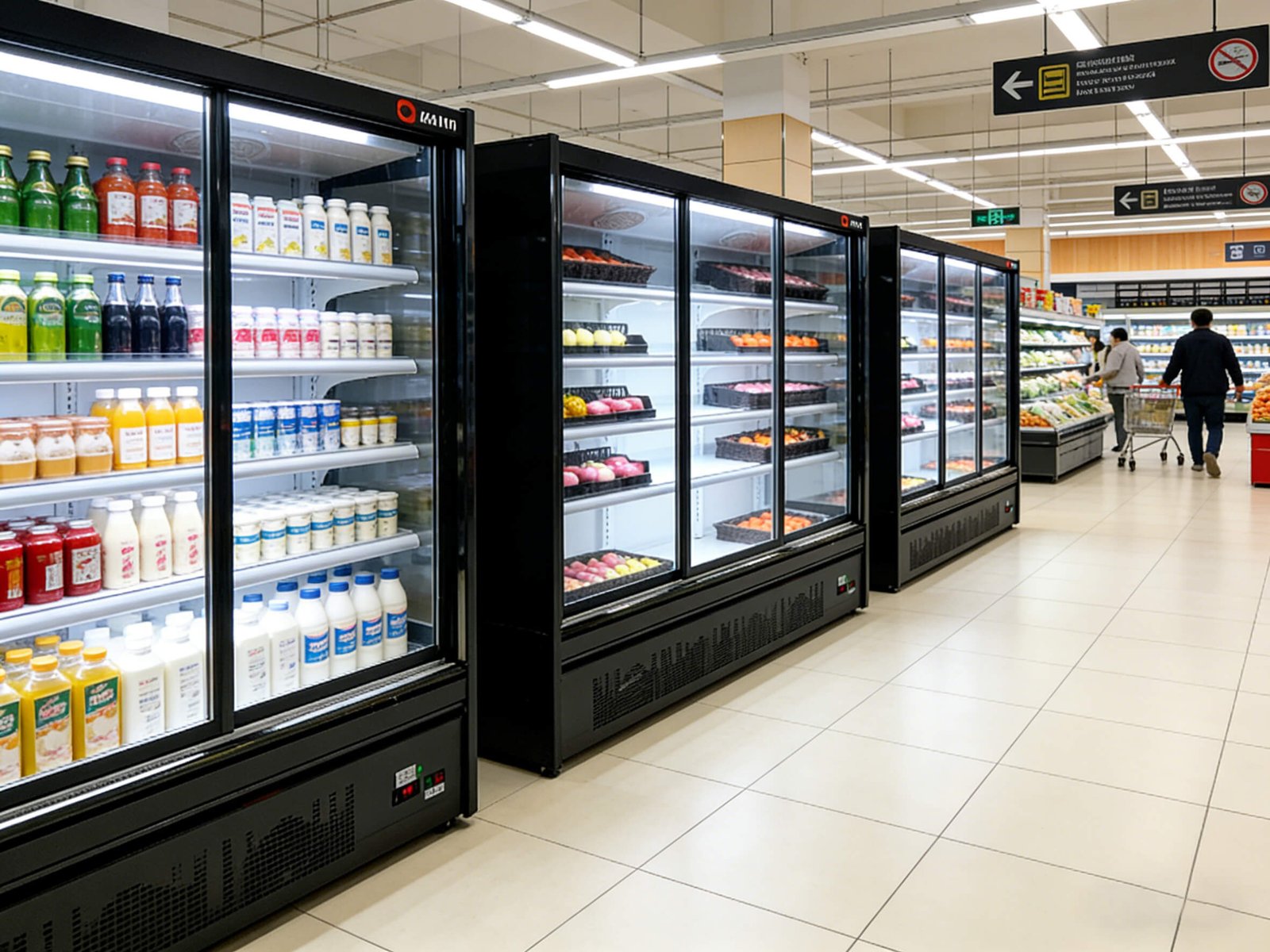
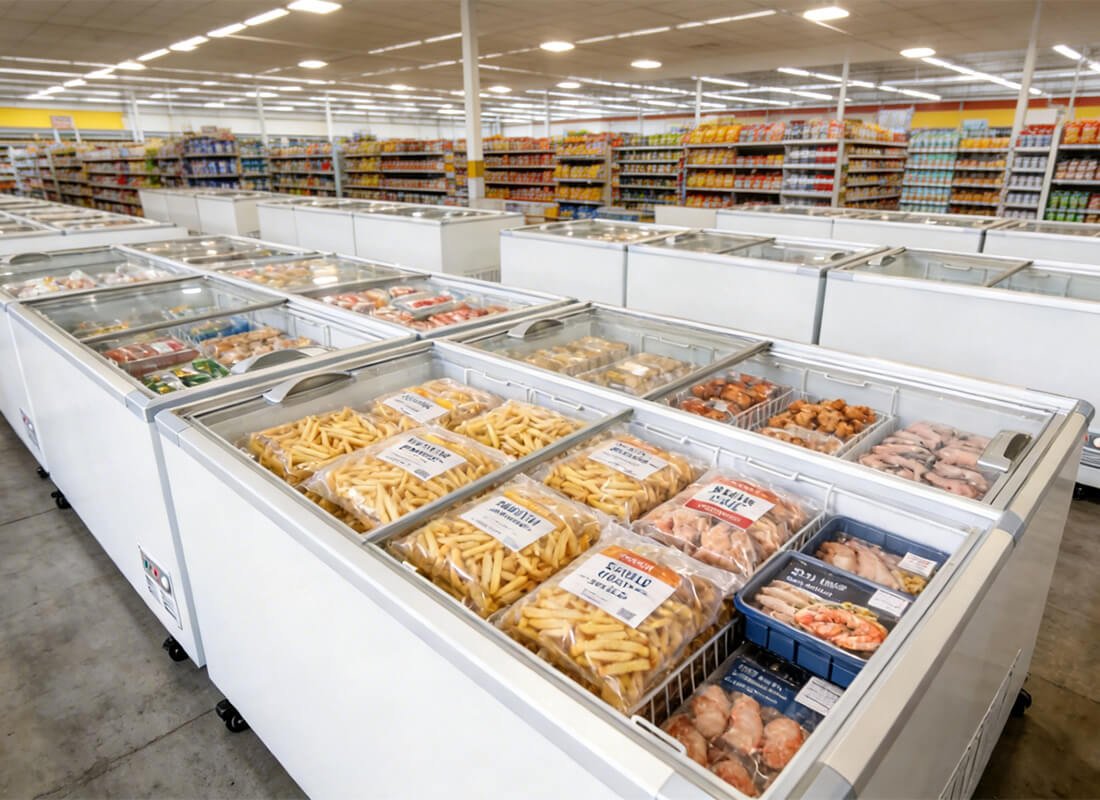
For commercial supermarkets, grocery stores, and food distributors, commercial refrigeration is one of the largest operational expenses. A crucial but often overlooked component of managing these costs is the defrost strategy design. When outfitting a retail space with commercial freezers, wholesale buyers and facility managers must prioritize systems that balance temperature stability with energy efficiency.
At the core of this balance is timed defrost refrigeration. By implementing strategic defrost schedules—particularly through night optimization—businesses can drastically reduce frost build up, protect product integrity, and slash their defrost energy cost.
Here is an in-depth look at how defrost cycles impact temperature and energy, and how to design a highly efficient schedule.
The Impact of Defrosting on Temperature Stability and Energy
To understand why a meticulous defrost strategy is necessary, we must first look at the physics of commercial freezing and the paradox of the defrost cycle.
The Frost Insulation Problem
Every time the door of an automatic defrost display freezer is opened, warm, humid ambient air enters the cabinet. This moisture quickly condenses and freezes on the cold evaporator coils. Over time, this frost builds up and acts as a thermal insulator.
- The Consequence: The fans cannot circulate cold air effectively, forcing the compressor to run longer and harder to maintain the set temperature. This significantly drives up your baseline energy consumption and puts mechanical strain on the equipment.
The Defrost Paradox
To clear the ice, the system must initiate a defrost cycle—often using electric heaters or hot gas. This inherently introduces heat into a refrigerated environment.
- The Risk: If a defrost cycle runs too long or too frequently, it causes temporary temperature spikes within the cabinet. This not only threatens the shelf life and safety of the frozen goods but also requires the compressor to work overtime to pull the temperature back down once the cycle ends. Therefore, the defrost energy cost includes both the power used to melt the ice and the power used to re-chill the freezer.
Core Strategies for an Efficient Defrost Schedule
For wholesale providers and supermarket managers, setting a random or factory-default timer is not enough. A tailored defrost schedule supermarket protocol is required to achieve optimal stability.
1. Implementing Timed Defrost Refrigeration
Modern commercial units rely on timed defrost refrigeration controllers. Rather than waiting for a sensor to detect massive ice accumulation, these systems initiate short, preventative defrost cycles at specific intervals.
- Staggered Scheduling: In a supermarket setting with dozens of display freezers, it is vital to stagger the timed defrost cycles. If every freezer goes into a defrost cycle simultaneously, it can cause a massive spike in peak electrical demand, leading to higher utility penalties.
2. Night Optimization: The Golden Window
The most effective way to manage temperature stability and energy use is to schedule the heaviest or longest defrost cycles during the night.
- Zero Foot Traffic: At night, the store is closed. There are no customers opening the freezer doors and introducing humid air.
- Faster Recovery: Because no new ambient heat is entering the automatic defrost display freezer, the coils clear faster, and the system can return to its optimal holding temperature much quicker.
- Off-Peak Energy Rates: Many utility companies offer lower electricity rates during overnight hours. Shifting the highest-draw cycles to the middle of the night directly lowers the overall defrost energy cost.
3. Smart Controls to Reduce Frost Build Up
For wholesale buyers sourcing equipment, it is highly recommended to invest in units with smart or “demand” defrost capabilities alongside standard timers. These systems monitor coil temperatures and suction pressure, terminating the defrost cycle the exact second the ice is melted. This prevents the cabinet from overheating and ensures the compressor does not have to work harder than necessary to recover.
Why Equipment Selection Matters for Wholesalers
If you are a commercial buyer or distributor, supplying the right equipment dictates the long-term operational success of your clients. Providing high-quality units equipped with programmable timed defrost refrigeration controls ensures that supermarket managers can seamlessly implement night optimization strategies. It transforms a standard freezer aisle into an energy-efficient, high-performance ecosystem.
Frequently Asked Questions (FAQ)
What is timed defrost refrigeration?
Timed defrost refrigeration is a system feature that automatically initiates a defrost cycle based on a pre-programmed clock rather than waiting for manual intervention. This ensures coils remain free of ice, maintaining optimal airflow and energy efficiency.
How do I set the best defrost schedule for a supermarket?
A standard defrost schedule supermarket protocol usually involves 2 to 4 cycles per 24-hour period, lasting between 15 to 30 minutes each. The most intensive cycles should be scheduled overnight when the store is closed to leverage off-peak energy rates and prevent ambient humidity from entering the cabinets.
How does an automatic defrost display freezer reduce frost build up?
An automatic defrost display freezer uses built-in heaters or hot gas routed through the evaporator coils to melt frost periodically. By doing this automatically at set intervals, it prevents ice from forming a thick insulating layer, which keeps the system running efficiently.
Why is my defrost energy cost so high?
Your defrost energy cost may be high if your defrost cycles are running too frequently, lasting too long, or occurring during peak store hours. Excessive door openings introduce high humidity, requiring longer cycles to melt the ice. Switching to a night-optimized, staggered timed schedule can drastically reduce these costs.