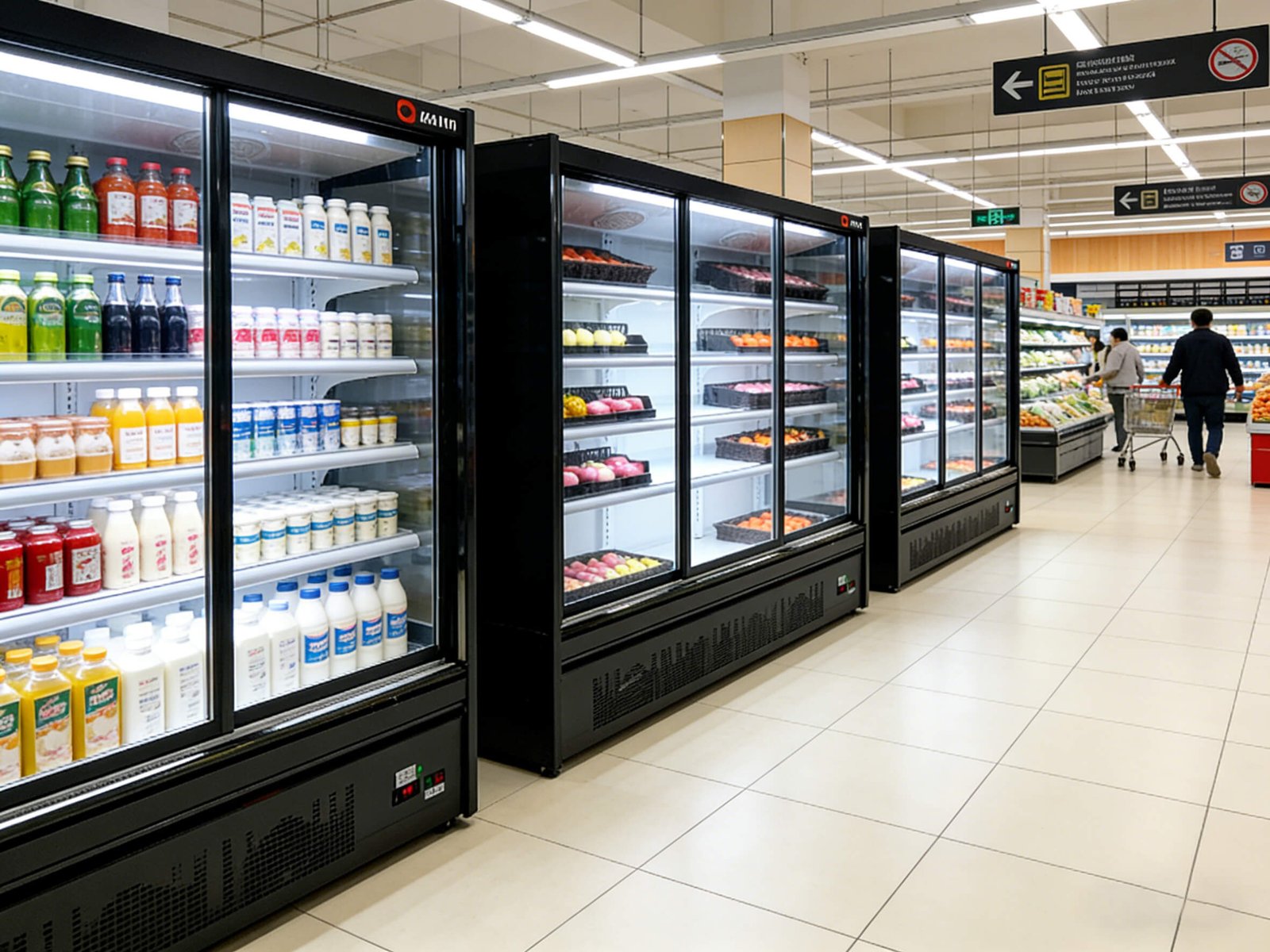
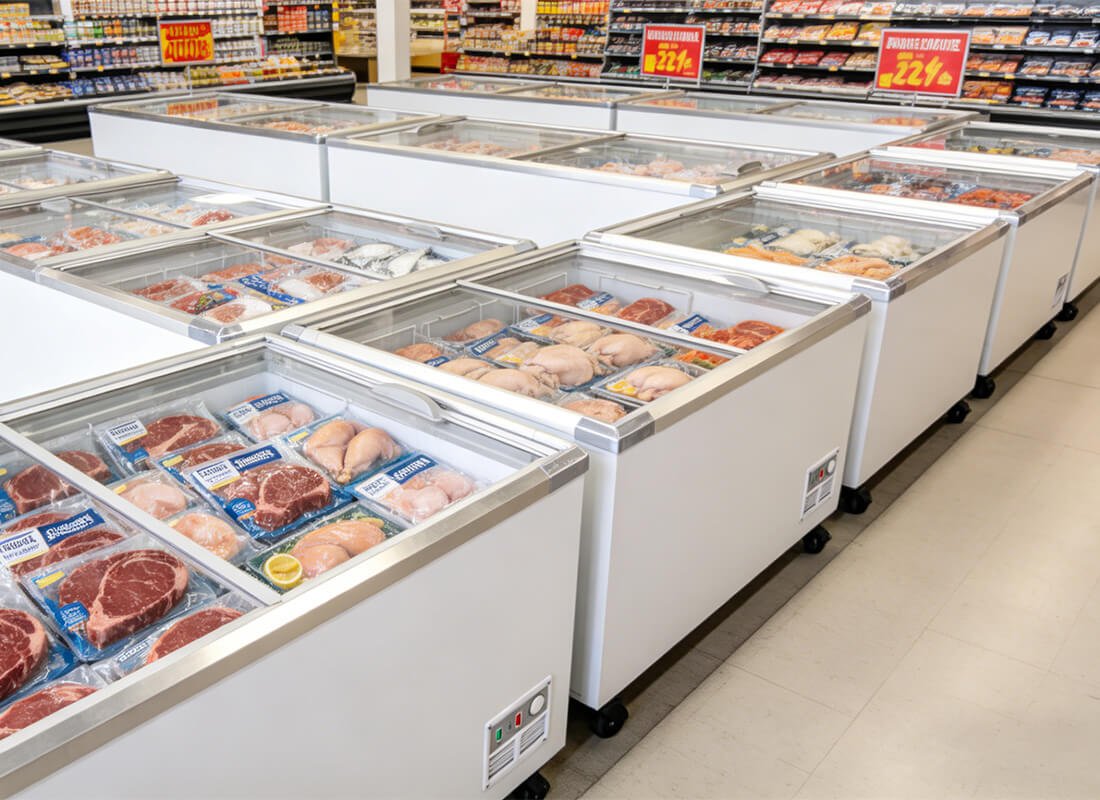
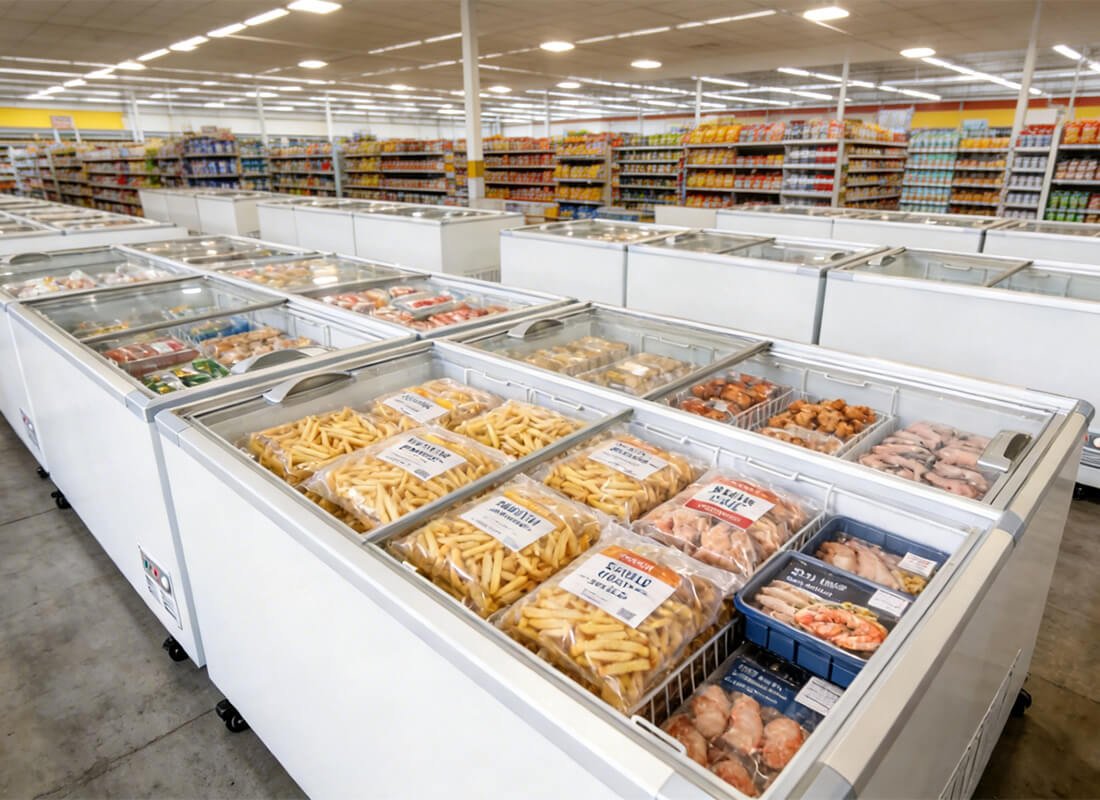
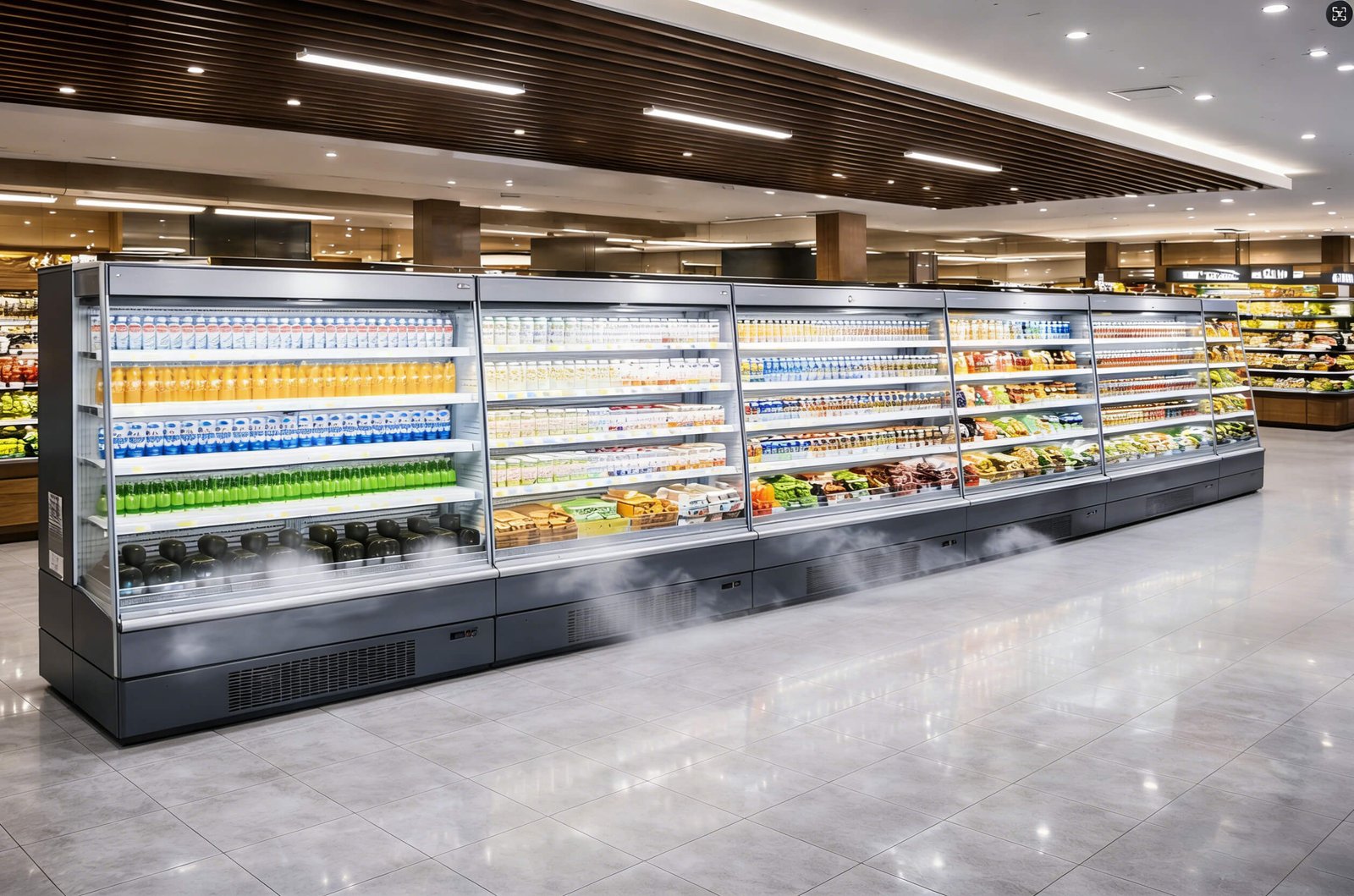
A refrigerated merchandiser is designed to do more than keep products cold. It must maintain stable airflow, consistent product temperature, and an attractive display that encourages customers to buy. However, even the best display case can struggle when products are loaded incorrectly.
For wholesalers, retailers, supermarkets, convenience stores, and foodservice operators, proper stocking is not just a visual merchandising task. It is a temperature control practice.
Following the right merchandiser stocking rules can help prevent warm spots, reduce compressor stress, protect product quality, and support food safety. When stocking habits are consistent, the display case can perform closer to its intended design.
Why Stocking Rules Matter for Temperature Stability
Every refrigerated display case depends on controlled air circulation. Cold air must move freely across shelves, around products, and back through the return air path. When products are stacked too high, pushed against vents, or loaded beyond the manufacturer’s recommended limit, airflow becomes restricted.
The result is often uneven cooling.
Some products may remain cold, while others sit in warmer zones. These warm spots can be difficult to notice at first, especially in a busy retail environment. Over time, they can affect product freshness, shelf life, appearance, and customer confidence.
Good stocking rules help turn daily loading behavior into a repeatable temperature stability process.
1. Never Block Air Vents
One of the most important merchandiser stocking rules is simple: do not block vents.
Refrigerated display cases usually rely on supply air vents and return air openings to create a continuous cooling cycle. If cartons, bottles, trays, or promotional items block these areas, the case cannot circulate air properly.
Blocked vents can cause:
Reduced cold air distribution
Uneven product temperatures
Warm spots near the front or top of the case
Longer compressor run times
Higher energy consumption
Faster product quality loss
Staff should be trained to identify all vent locations before stocking. These areas should remain clear at all times, even during peak sales periods or promotional displays.
2. Respect the Load Line
Many commercial refrigerated merchandisers include a load line or recommended fill level. This line is not just a suggestion for neat presentation. It marks the maximum safe loading height for proper airflow.
Products placed above the load line can interrupt the air curtain or prevent cold air from reaching key areas of the display case. This is especially important for open-air merchandisers, where the cold air curtain helps separate refrigerated products from warmer ambient air.
To maintain stable temperature, products should always stay below the load line. If the case looks underfilled, use better product facing and shelf organization instead of overloading.
3. Avoid Overpacking Shelves
A full display can look appealing, but overpacking can reduce cooling performance. When products are packed too tightly, cold air cannot move between them. This can trap heat inside the product mass and slow down temperature recovery after restocking.
Good product loading best practices include leaving small gaps for airflow, especially around packaged foods, dairy items, beverages, deli products, and ready-to-eat meals.
A properly stocked case should look abundant without being compressed.
For wholesale buyers and retail operators, this is especially important during high-volume restocking. Bulk loading may save time in the moment, but it can create long-term temperature instability if airflow is restricted.
4. Pre-Chill Products Before Loading
A refrigerated display case is built to maintain product temperature, not to rapidly chill warm inventory. Loading room-temperature products into a merchandiser can cause temporary temperature spikes and force the refrigeration system to work harder.
Whenever possible, products should be pre-chilled before being placed into the display case. This is especially important for beverages, dairy products, meat, seafood, prepared foods, and other temperature-sensitive items.
Pre-chilling supports:
Faster temperature recovery
Lower risk of warm spots
Better product freshness
Reduced strain on refrigeration equipment
More consistent customer experience
For wholesale operations, cold chain discipline should continue from storage to transport to display.
5. Rotate Stock Without Disrupting Airflow
First-in, first-out stock rotation is important, but it should not come at the expense of airflow. During restocking, staff may be tempted to push older products to the front and pack newer items tightly behind them. This can block air movement at the rear or sides of the case.
The better approach is to rotate products while maintaining spacing and clear air channels. Staff should avoid forcing items into gaps or stacking products at angles that interfere with vents.
A clean, organized shelf makes both rotation and temperature control easier.
6. Keep Products Away From Case Edges and Doors
In glass-door merchandisers, products should not be pressed directly against the doors. This can interfere with air movement and may expose products to warmer temperatures when doors are opened frequently.
In open display cases, products placed too close to the front edge may sit outside the ideal refrigerated zone. This can increase the risk of warm spots, especially in stores with strong lighting, high foot traffic, or warm indoor conditions.
To maintain stable temperature display case performance, products should be positioned within the intended refrigerated area, not beyond it.
7. Load Heavy and Dense Products Carefully
Dense products such as bottled drinks, large trays, meat packs, or bulk dairy items take longer to cool and can restrict airflow if packed tightly. These products should be loaded with extra care.
Avoid stacking dense items too high or too deep. Use shelf layouts that allow air to circulate around the product. When possible, distribute heavier products evenly across the case instead of concentrating them in one area.
This helps prevent localized warm zones and supports balanced refrigeration performance.
8. Do Not Use the Display Case as Cold Storage
A merchandiser is a selling space, not a replacement for a walk-in cooler or back-of-house refrigerator. Using the display case for excess inventory can overload the system and reduce its ability to maintain consistent temperatures.
Wholesale and retail teams should separate display stock from reserve stock. Extra products should remain in proper cold storage until they are needed for replenishment.
This rule is especially important during promotions, holiday sales, and high-volume delivery days.
9. Restock During Lower-Traffic Periods When Possible
Frequent door openings, long restocking sessions, and large product loads can all affect display case temperature. Restocking during slower periods can help reduce temperature swings and give the case more time to recover.
For glass-door merchandisers, staff should avoid leaving doors open while organizing shelves. For open merchandisers, products should be loaded efficiently to reduce exposure to ambient air.
A good SOP should define when and how restocking should happen, especially for temperature-sensitive categories.
10. Train Staff to Spot Warm Spot Risks
Temperature stability depends on daily behavior. Staff should know what causes warm spots and how to prevent them.
Training should cover:
Where vents and return air openings are located
How to follow the load line
Why overpacking affects cooling
How to space products correctly
Why pre-chilled products matter
How to report unusual case temperatures
What to do if products feel warmer than expected
When employees understand the reason behind each stocking rule, compliance improves.
11. Use Shelf Plans That Support Airflow
Planograms should be designed for both sales and refrigeration performance. A shelf layout that looks attractive but blocks airflow can create operational problems.
Good refrigerated merchandising plans should consider product size, packaging shape, airflow direction, and shopping behavior. Tall products should not block vents. Small products should not fall into return air openings. Promotional signage should not cover airflow paths.
For wholesale buyers supplying refrigerated merchandisers to customers, clear stocking guidance can become a valuable after-sales support tool.
12. Monitor Temperature After Restocking
Temperature checks should be part of the stocking process. After a major restock, staff should monitor the display case to make sure it returns to the correct temperature range.
If temperature does not stabilize, possible causes may include overloading, blocked vents, warm product loading, door seal issues, dirty condenser coils, or equipment malfunction.
Stocking behavior should always be reviewed before assuming the refrigeration unit is faulty.
Turning Stocking Rules Into a Practical SOP
A strong stocking SOP should be simple, visual, and easy to follow. It should not only tell staff what to do, but also explain how each action protects temperature stability.
A practical SOP may include:
Pre-stock temperature check
Product pre-chilling requirement
Load line reminder
Vent clearance checklist
Shelf spacing guide
Rotation process
Post-stock temperature check
Escalation steps for temperature issues
This turns daily stocking from a routine task into an active part of refrigeration performance management.
Benefits of Proper Merchandiser Stocking
Following merchandiser stocking rules can deliver measurable benefits for retailers and foodservice businesses.
These benefits include:
More stable product temperatures
Fewer warm spots in the fridge
Improved food safety practices
Better product appearance
Longer shelf life
Lower product waste
Reduced refrigeration system stress
More reliable customer experience
Improved energy efficiency
For wholesale suppliers, providing these best practices can also help customers get better performance from their refrigerated display cases.
Conclusion
Temperature fluctuations are not always caused by equipment failure. In many cases, they start with everyday stocking habits. Blocking vents, overloading shelves, ignoring load lines, and loading warm products can all affect how well a refrigerated merchandiser performs.
By following clear stocking rules, businesses can maintain stable temperature display case performance, protect product quality, and reduce the risk of warm spots.
For wholesalers, retailers, and operators, smart stocking is more than merchandising. It is part of a complete cold chain strategy.
FAQ
What are the most important merchandiser stocking rules?
The most important rules are to avoid blocking vents, stay below the load line, avoid overpacking shelves, load only pre-chilled products, and keep enough space for airflow around products.
Why should products not block refrigerator vents?
Blocked vents restrict cold air circulation. This can create uneven temperatures, warm spots, longer compressor run times, and reduced product freshness.
What causes warm spots in a refrigerated display case?
Warm spots can be caused by blocked vents, overloaded shelves, warm product loading, poor product spacing, frequent door openings, dirty condenser coils, or incorrect shelf layouts.
Should products be chilled before loading into a merchandiser?
Yes. A refrigerated merchandiser is designed to maintain cold products, not rapidly cool warm products. Pre-chilling helps reduce temperature spikes and supports stable case performance.
Can overstocking a display fridge affect food safety?
Yes. Overstocking can block airflow and prevent products from staying within the proper temperature range. This may affect food safety, especially for dairy, meat, seafood, deli, and ready-to-eat products.
How can retailers maintain stable temperature in a display case?
Retailers can maintain stable temperature by following load limits, keeping vents clear, spacing products properly, restocking efficiently, checking temperatures regularly, and training staff on proper refrigerated merchandising practices.
Are stocking rules different for open-air and glass-door merchandisers?
The principles are similar, but open-air merchandisers are especially sensitive to load line violations and air curtain disruption. Glass-door merchandisers require careful door management and proper spacing away from the doors.