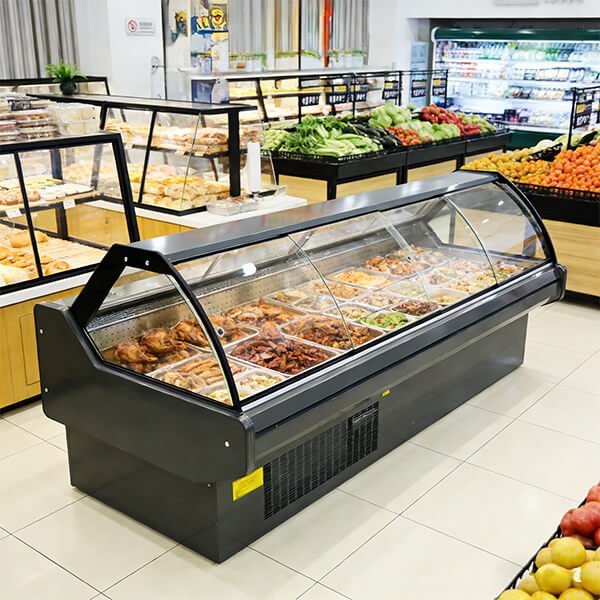
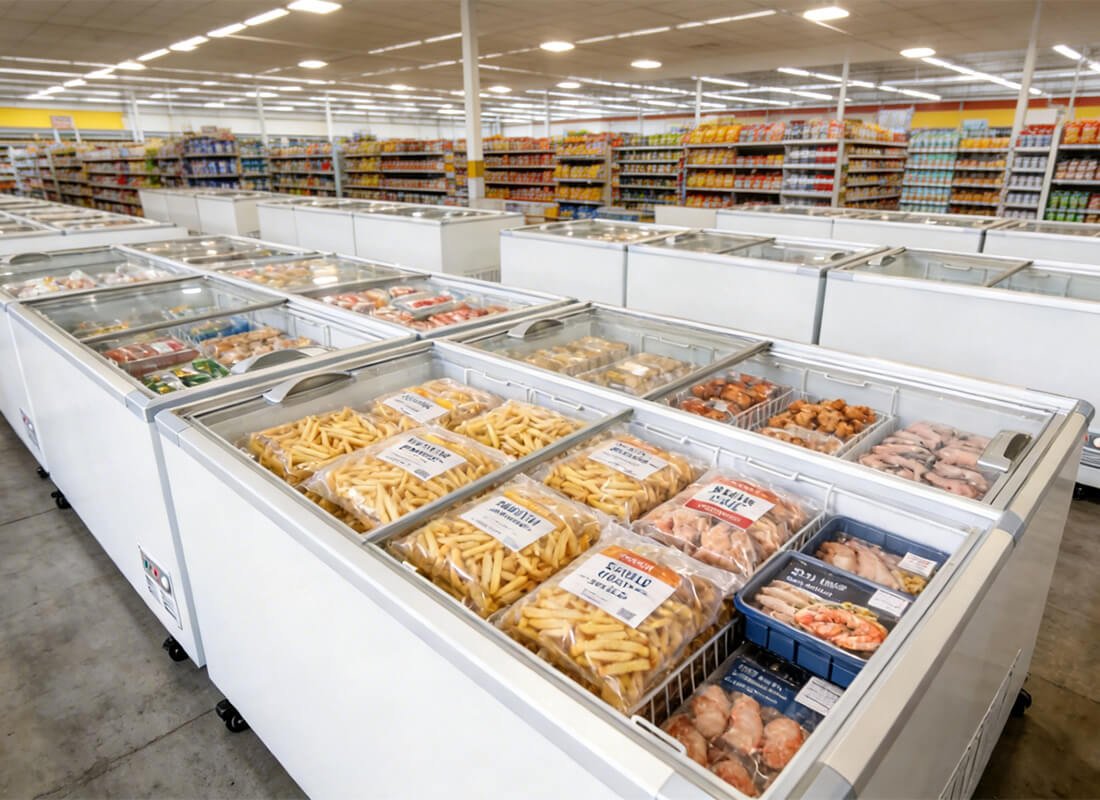
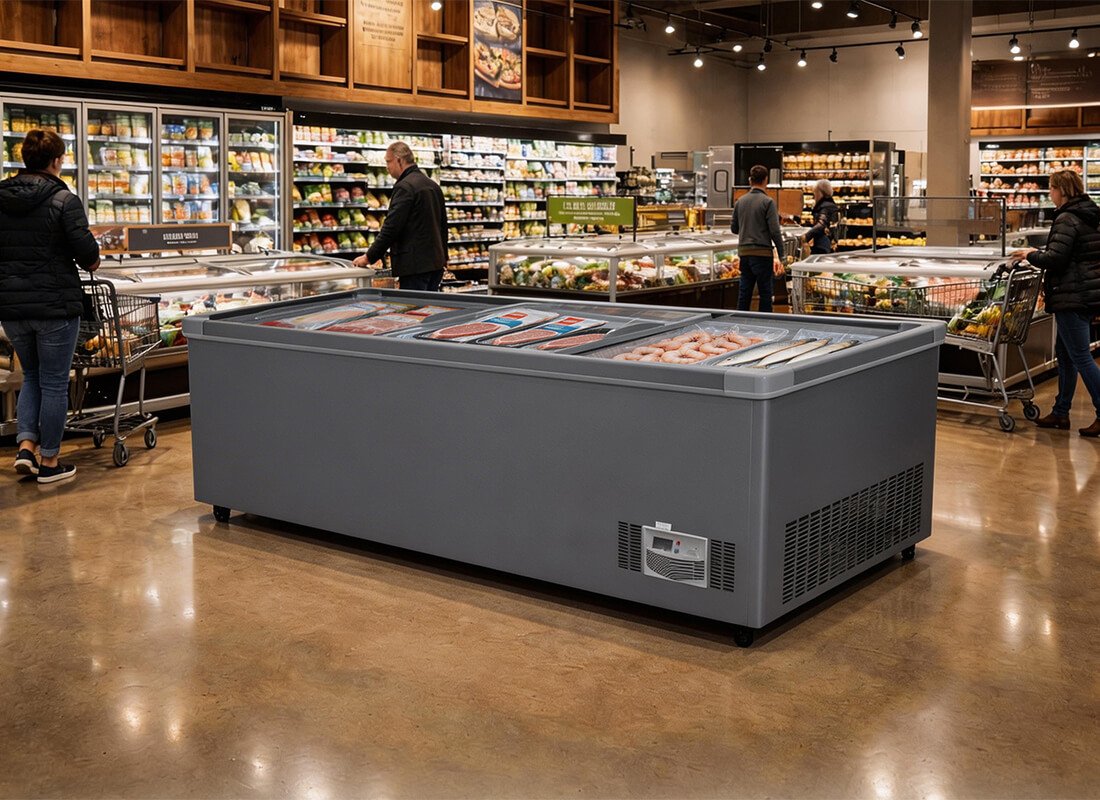
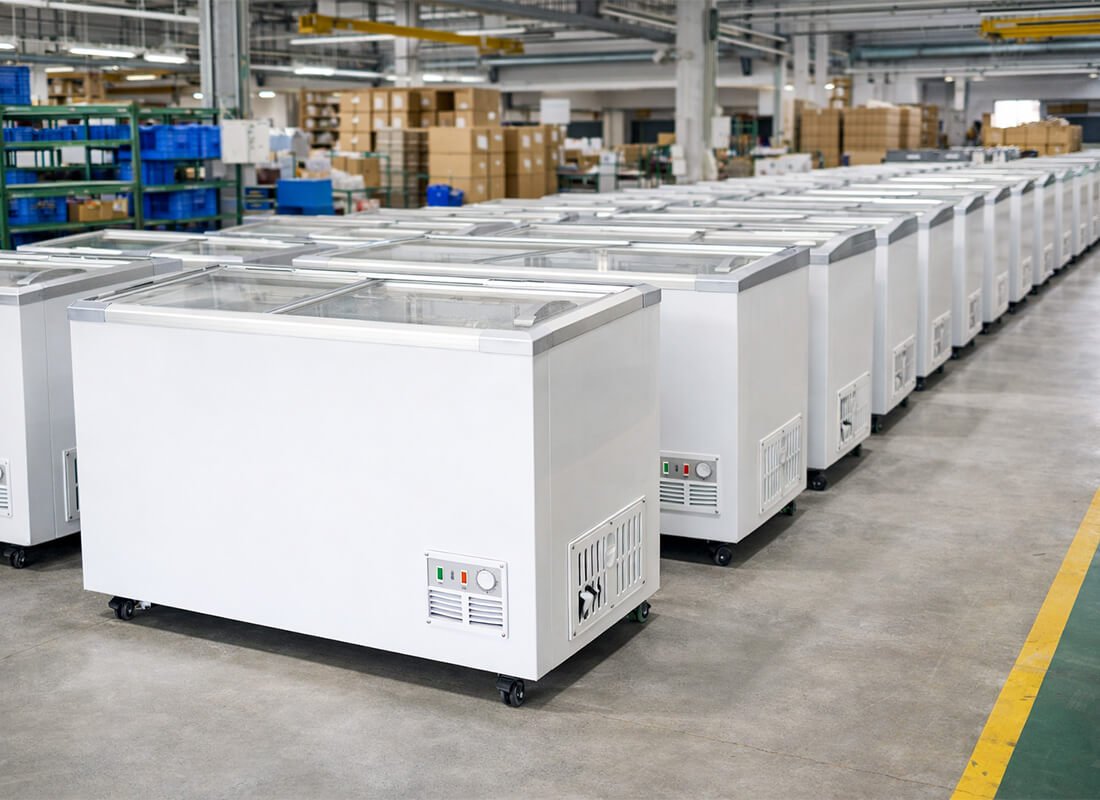
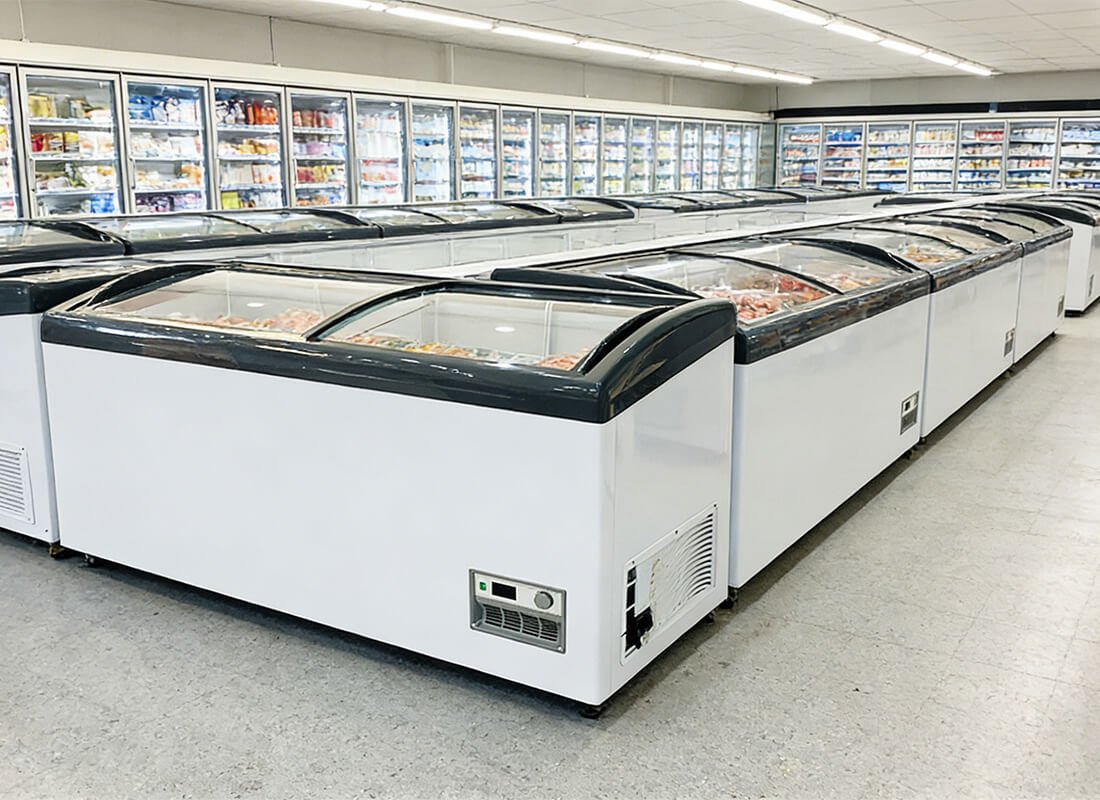
As temperatures rise, retail refrigeration systems face one of their toughest tests of the year. For convenience stores, supermarkets, beverage distributors, cafés, restaurants, and wholesale buyers, summer does not just bring more foot traffic. It also brings higher ambient temperatures, heavier door openings, increased beverage demand, and a greater risk of cooler downtime.
A beverage cooler that works well in spring may struggle once hot weather arrives. Products may take longer to chill, compressors may run harder, and small maintenance issues can quickly turn into costly service calls. That is why a pre summer refrigeration checklist is essential for any business preparing for peak season.
Whether you operate a single glass door merchandiser or manage multiple commercial refrigeration units across retail locations, the right preparation can help prevent “not cold enough” complaints, reduce emergency repairs, and keep your products ready for sale when demand is highest.
Why Pre-Summer Refrigeration Maintenance Matters
Summer puts extra pressure on every part of a commercial cooler. Higher room temperatures make the refrigeration system work harder to remove heat. At the same time, beverage coolers are opened more often as customers reach for cold drinks, energy drinks, bottled water, dairy products, or ready-to-drink items.
Without proper maintenance, this added load can expose hidden problems such as dirty condenser coils, poor airflow, worn door gaskets, incorrect thermostat settings, blocked vents, or overloaded shelves.
For wholesale buyers and retail operators, the impact can be serious:
- Warm products that disappoint customers
- Lost sales during peak beverage season
- Higher energy bills
- Shorter compressor life
- Emergency repair costs
- Product spoilage or quality issues
- Unplanned downtime at the worst possible time
The good news is that many summer refrigeration problems are preventable. A structured peak season cooler maintenance routine helps identify issues before the hottest weeks arrive.
1. Clean Condenser Coils Before Summer
One of the most important steps in any pre summer refrigeration checklist is cleaning the condenser coils.
Condenser coils help release heat from the refrigeration system. When they are covered with dust, lint, grease, or debris, the cooler cannot reject heat efficiently. As a result, the compressor runs longer, internal temperatures become less stable, and the system may struggle to maintain proper cooling during hot weather.
For retail environments, especially stores with high traffic, open packaging, cardboard dust, or food preparation nearby, coils can get dirty faster than expected.
Before summer, inspect the condenser coils and clean them carefully according to the manufacturer’s instructions. Use a soft brush, vacuum, or approved coil-cleaning method. Make sure the unit is powered off before maintenance and avoid damaging the coil fins.
Clean coils before summer to improve cooling performance, reduce stress on the compressor, and support better energy efficiency during peak season.
2. Check Airflow Around the Cooler
Commercial refrigeration depends on proper airflow. If the cooler is placed too close to a wall, surrounded by boxes, or installed in a tight area without ventilation, heat can build up around the condenser.
This is especially important for beverage coolers in convenience stores, supermarkets, gyms, offices, gas stations, and foodservice locations where floor space is limited.
Before the summer rush, check that each cooler has enough clearance around the sides, back, top, and front ventilation areas. Do not block air intake or exhaust vents with merchandise, signage, packaging, or cleaning supplies.
Poor airflow can reduce refrigeration capacity in hot weather and make even a well-maintained cooler appear underpowered.
3. Inspect Door Gaskets and Seals
Door gaskets are small components with a big impact. If a gasket is cracked, loose, torn, or not sealing properly, warm air can enter the cabinet every time the door closes. This forces the refrigeration system to work harder and may cause temperature fluctuations.
For glass door merchandisers and beverage coolers, worn gaskets can also lead to condensation, fogging, ice buildup, or longer pull-down times.
Run your hand around the door edges to feel for air leaks. Look for gaps, hardened rubber, mold, damage, or sections that do not sit flat against the cabinet. Replace damaged gaskets before peak season begins.
A tight seal helps maintain cabinet temperature, protect product quality, and prevent downtime in beverage coolers during the busiest months of the year.
4. Verify Temperature Settings
Before summer, confirm that the thermostat or digital controller is set correctly for the products being stored. Beverage coolers, dairy cases, deli displays, and back-bar refrigerators may require different temperature ranges.
Avoid setting the temperature too low in an attempt to “prepare” for hot weather. This can increase energy use, cause icing problems, and put unnecessary strain on the system. Instead, use the manufacturer’s recommended settings and monitor performance under normal operating conditions.
For retail operations, it is also helpful to place a separate thermometer inside the cabinet to verify actual product-zone temperature. Display readings and real cabinet temperatures may not always match perfectly, especially if airflow is blocked or the unit is heavily loaded.
5. Review Product Loading and Shelf Arrangement
Overloading a cooler is one of the most common reasons a unit struggles during summer. When shelves are packed too tightly, cold air cannot circulate properly. Products at the front may feel cold while items in the center or back remain warmer than expected.
For beverage coolers, avoid blocking internal air vents with cans, bottles, cartons, or promotional displays. Leave enough space between products and cabinet walls to allow cold air movement.
Good product loading supports consistent cooling, faster recovery after door openings, and better merchandising visibility. This is especially valuable for wholesale customers who rely on attractive retail displays to drive impulse beverage sales.
6. Clean the Evaporator Area and Interior Cabinet
A clean interior is not only better for presentation; it also supports refrigeration performance. Spills, dust, labels, packaging debris, and blocked drain areas can affect airflow and sanitation.
Before summer, clean the interior cabinet, shelves, fan guards, air return areas, and drain pan if accessible. Remove expired products and check that nothing is blocking evaporator fans.
For food and beverage retail, a clean cooler also improves customer confidence. Glass door coolers should look bright, organized, and ready for high-volume sales.
7. Listen for Unusual Sounds
A commercial cooler often gives early warning signs before a major issue occurs. Buzzing, rattling, clicking, grinding, or unusually loud compressor operation may indicate a loose component, fan issue, failing relay, or other mechanical problem.
During your pre-summer inspection, listen to each unit while it is running. If something sounds different from normal operation, schedule service before the peak season begins.
Addressing small issues early is one of the best ways to prevent downtime in beverage cooler systems when hot weather and customer demand are at their highest.
8. Check for Excessive Condensation or Frost
Some condensation may occur in humid environments, but excessive moisture, heavy door sweating, frost buildup, or ice on the evaporator can signal a problem.
Common causes include damaged door gaskets, frequent door openings, blocked airflow, incorrect temperature settings, or defrost issues.
Do not ignore frost or moisture problems before summer. As ambient temperatures and humidity rise, these issues can become worse and reduce cooling efficiency.
9. Confirm Electrical Supply and Plug Condition
Retail refrigeration units require a stable power supply. Before peak season, inspect power cords, plugs, outlets, and extension cord use. Commercial coolers should be connected according to the manufacturer’s electrical requirements.
Avoid overloading circuits with multiple refrigeration units, microwaves, coffee equipment, ice machines, or other high-power appliances. Electrical problems can lead to poor performance, nuisance trips, or equipment damage.
For multi-unit retail spaces, it may be worth having a qualified technician or electrician confirm that the setup is suitable for increased summer operation.
10. Schedule Preventive Service Before Demand Peaks
If your business depends heavily on refrigerated sales, a professional inspection before summer can be a smart investment. A technician can check refrigerant levels, compressor performance, fan motors, defrost operation, electrical components, and overall system health.
For wholesalers, distributors, and retailers with multiple locations, preventive service helps standardize cooler readiness across the business. It also reduces the risk of last-minute emergency calls when service providers are busiest.
Peak season is not the best time to discover that a cooler is underperforming. Preparing early gives your team more control.
11. Match Refrigeration Capacity to Hot Weather Demand
Sometimes the issue is not maintenance. The cooler may simply be undersized for the operating environment or product volume.
If your store experiences frequent restocking, high door-opening frequency, or hot indoor conditions, you may need greater refrigeration capacity for hot weather. A unit designed for light-duty use may not perform well in a high-traffic retail environment.
Before summer, review whether your current coolers are suitable for:
- Store temperature and ventilation
- Daily product turnover
- Door opening frequency
- Beverage loading volume
- Placement near windows, ovens, entrances, or direct sunlight
- Required product temperature range
For wholesale buyers, choosing commercial-grade refrigeration equipment with appropriate capacity can reduce long-term service costs and improve product availability during peak sales periods.
12. Prepare Backup Plans for Critical Products
Even with good maintenance, every retail business should have a plan for unexpected refrigeration problems. Identify which products are most temperature-sensitive and decide how they will be protected if a cooler goes down.
This may include backup storage, temporary relocation to another unit, emergency service contacts, or keeping critical replacement parts available.
For beverage retailers, downtime during summer can mean immediate lost sales. A simple backup plan can help your team respond quickly and reduce disruption.
Pre-Summer Refrigeration Checklist
Use this quick checklist before peak season begins:
- Clean condenser coils before summer
- Check airflow and ventilation clearance
- Inspect door gaskets and seals
- Confirm thermostat or controller settings
- Verify cabinet temperature with a separate thermometer
- Avoid overloading shelves
- Keep internal vents clear
- Clean shelves, fans, drains, and cabinet interior
- Listen for unusual compressor or fan noises
- Check for excessive condensation, frost, or ice buildup
- Inspect plugs, cords, and electrical supply
- Schedule preventive maintenance if needed
- Review refrigeration capacity for hot weather demand
- Prepare a backup plan for critical refrigerated products
Wholesale Buyers: Plan Ahead for Peak Season
For wholesale buyers, refrigeration planning is not just about maintenance. It is also about inventory, equipment availability, and customer demand.
Retailers often wait until the first hot week to realize they need additional beverage coolers or replacement units. By then, lead times may be longer and popular models may be harder to source.
Planning ahead helps wholesalers and retail operators secure the right commercial refrigeration equipment before demand spikes. Whether you need glass door merchandisers, beverage coolers, display refrigerators, or back-of-house cold storage, preparing early can protect sales throughout the summer season.
Final Thoughts
Summer is the season when retail refrigeration matters most. A cooler that is clean, properly loaded, well-ventilated, and correctly maintained is far more likely to perform reliably during high-demand periods.
By following a practical pre summer refrigeration checklist, businesses can reduce the risk of downtime, keep beverages colder, improve energy performance, and deliver a better customer experience.
For retailers, convenience stores, foodservice operators, and wholesale buyers, the message is simple: do not wait for the first heatwave. Prepare your refrigeration now, and your business will be ready when peak season arrives.
FAQ
1. Why should I clean condenser coils before summer?
Condenser coils release heat from the refrigeration system. When they are dirty, the cooler has to work harder, which can reduce cooling performance and increase the risk of breakdowns during hot weather.
2. How often should retail beverage coolers be maintained?
Maintenance frequency depends on the environment and usage level. High-traffic retail stores may need more frequent cleaning and inspections, especially before summer and other peak sales periods.
3. What causes a beverage cooler to stop getting cold enough in summer?
Common causes include dirty condenser coils, poor airflow, damaged door gaskets, overloaded shelves, blocked internal vents, incorrect temperature settings, or insufficient refrigeration capacity for hot weather demand.
4. How can I prevent downtime in beverage cooler equipment?
Regular preventive maintenance, proper product loading, clean coils, good ventilation, and early service checks can help prevent downtime. It is also helpful to schedule inspections before the hottest months begin.
5. Can overloading a cooler affect refrigeration performance?
Yes. Overloading can block airflow inside the cabinet, causing uneven cooling and slower temperature recovery after door openings. Products should be arranged to allow cold air to circulate freely.
6. When should a business consider upgrading its retail refrigeration equipment?
A business should consider upgrading when coolers frequently struggle during hot weather, require repeated repairs, cannot keep up with product volume, or are not designed for the store’s operating conditions.
7. Is a pre-summer refrigeration checklist useful for wholesale buyers?
Yes. Wholesale buyers and distributors can use a pre-summer checklist to help retail customers prepare for peak demand, reduce service issues, and plan equipment purchases before seasonal shortages occur.